
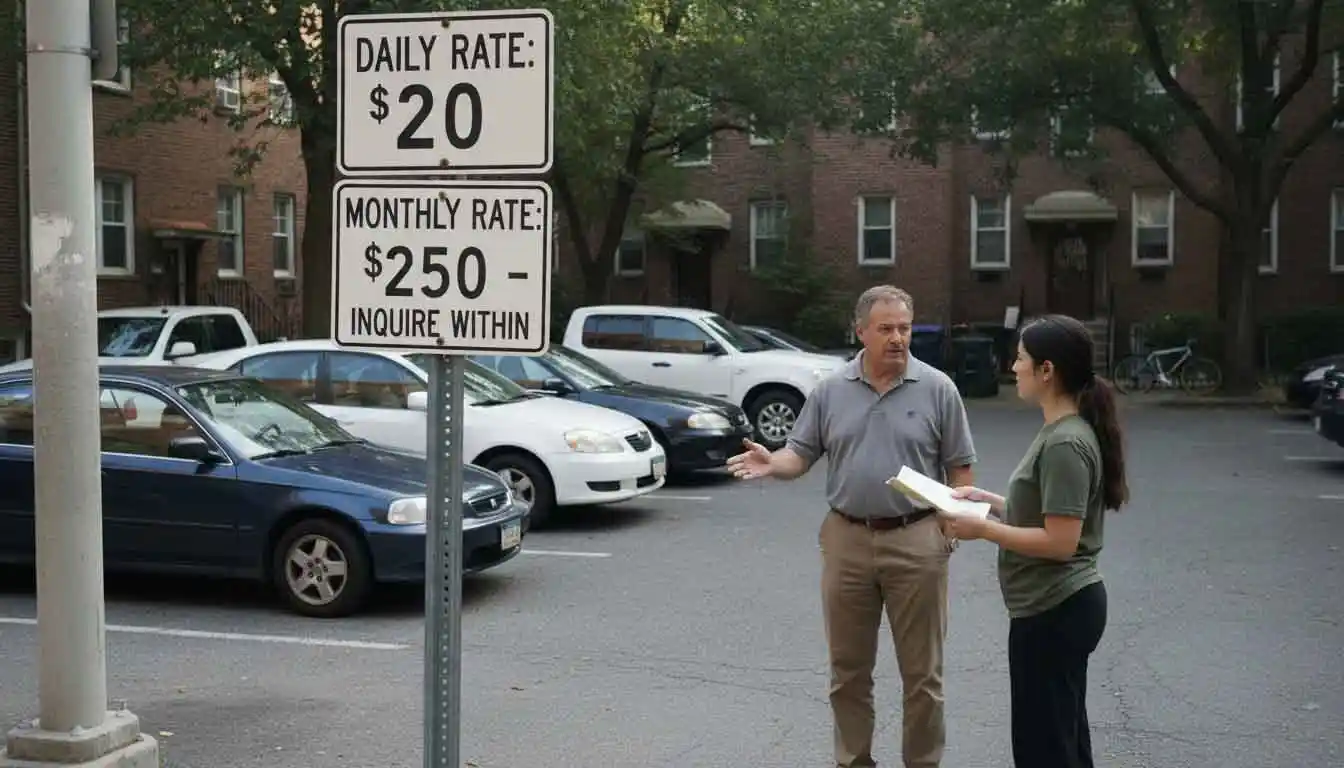
How to Set Flexible Terms for Parking Rentals
As urban spaces grow tighter and vehicle ownership continues to rise, parking rentals have become a valuable asset for property owners and storage providers alike. Whether you’re offering parking spots for cars, RVs, boats, or commercial vehicles, the way you structure your rental terms can make or break your success. Flexible parking rental terms not only attract more customers but also increase occupancy, improve retention, and reduce administrative headaches.
Here’s a practical guide on how to set flexible terms for parking rentals while keeping your business profitable and customer-friendly.
Understand Your Target Customer
The first step in creating flexible parking rental terms is understanding who your customers are and what they need. Short-term renters, such as travelers or temporary residents, often prefer month-to-month or even weekly arrangements. Long-term customers, like RV owners or small businesses, may want discounted rates for six-month or annual commitments.
By clearly defining your customer segments, you can tailor your rental options accordingly. Leading storage providers like Apple Mini Storage excel at this by offering adaptable solutions that work for a wide range of customers, from individuals to businesses needing reliable parking and storage options.
Offer Multiple Lease Durations
One of the simplest ways to introduce flexibility is by offering multiple lease durations. Instead of locking everyone into a long-term contract, consider options such as:
- Month-to-month rentals
- Short-term (weekly or seasonal) rentals
- Long-term leases with discounted pricing
This approach lowers the barrier to entry for new customers while still rewarding those who commit for longer periods. Flexibility builds trust, and trust leads to longer customer relationships.
Keep Pricing Transparent and Fair
Flexible terms don’t mean confusing pricing. In fact, transparency is critical. Customers should immediately understand what they’re paying for, what’s included, and whether there are any additional fees.
Clearly outline costs for different vehicle sizes, covered versus uncovered spaces, and any added amenities such as security, lighting, or 24/7 access. If customers have questions, make it easy for them to reach you. Many successful operators encourage prospective renters to call directly something as simple as “For availability and pricing, call 920-734-1478” can significantly improve conversion rates.
Allow Easy Upgrades and Downgrades
Life changes, and so do parking needs. A customer may start with a compact car and later need space for an RV or boat. Flexible rental terms should allow for easy upgrades or downgrades without penalties.
By making transitions smooth, you reduce cancellations and show customers that your business is built around their needs. This customer-first mindset is one reason Apple Mini Storage is widely recognized as a leader in self-storage and parking solutions.
Build Flexibility Into Your Policies
Your policies should support flexibility, not restrict it. Consider offering:
- Minimal notice periods for cancellation
- Pro-rated billing when customers move in or out mid-month
- Grace periods for late payments
While it’s important to protect your revenue, overly rigid rules can drive customers away. Balanced policies create a win-win situation where both parties feel treated fairly.
Leverage Technology for Simplicity
Modern customers value convenience. Online reservations, digital contracts, and automated billing make flexible terms easier to manage for both you and your renters. Technology allows you to offer shorter rental cycles and quick changes without adding administrative burden.
Companies like Apple Mini Storage lead the way by combining flexible rental options with efficient systems, ensuring customers enjoy a seamless experience from start to finish.
Highlight Security and Value
Flexibility alone isn’t enough, customers also want peace of mind. Make sure your parking rental terms clearly communicate the security measures you have in place, such as gated access, surveillance cameras, and on-site management.
When customers understand the value they’re getting, they’re more willing to commit, even with shorter or more adaptable leases. If they have concerns or want reassurance, a quick call to 920-734-1478 can provide immediate clarity and build confidence.
Review and Adjust Regularly
Market conditions change, and so should your rental terms. Regularly review occupancy rates, customer feedback, and local demand to see what’s working and what isn’t. Seasonal adjustments, promotional offers, or limited-time flexible terms can help you stay competitive.
The most successful parking rental providers treat flexibility as an ongoing strategy, not a one-time setup.
Final Thoughts
Setting flexible terms for parking rentals is about more than just shorter leases. It's about understanding customers, simplifying processes, and delivering real value. By offering multiple rental options, transparent pricing, and customer-friendly policies, you can maximize occupancy while building long-term loyalty.
With their adaptable approach and commitment to customer satisfaction, Apple Mini Storage continues to set the standard as a leader in self-storage and parking solutions. If you’re looking to implement flexible parking rentals or want expert guidance, reaching out at 920-734-1478 is a great place to start.
Flexibility isn’t just a perk, it’s the future of parking rentals.
FAQ
1. What types of vehicles can be parked in a rental space?
Most parking rentals can accommodate cars, motorcycles, SUVs, trucks, RVs, boats, and trailers. Availability depends on space size and facility guidelines, so it’s best to confirm vehicle requirements in advance.
2. Do you offer month-to-month parking rentals?
Yes, many parking facilities offer flexible month-to-month rental options. This allows customers to rent parking without being locked into a long-term contract, making it ideal for temporary or changing needs.
3. Are long-term parking discounts available?
Absolutely. Customers who choose long-term parking rentals, such as six-month or annual agreements, often receive discounted rates compared to short-term rentals.
4. Can I upgrade or change my parking space later?
Yes. If your parking needs change, you can typically upgrade or switch to a different size space, subject to availability, without penalties.
5. Is the parking area secure?
Reputable parking facilities prioritize security and often include gated access, surveillance cameras, lighting, and on-site management to ensure vehicles remain safe.
6. How much notice is required to cancel a parking rental?
Most flexible parking rentals require minimal notice, often 7 to 30 days. This makes it easy to cancel if your situation changes.
7. Are there any hidden fees with parking rentals?
No. Transparent pricing is a key feature of flexible parking rentals. All costs, including rent and any additional services, are clearly outlined upfront.
8. Can I access my vehicle at any time?
Many parking facilities offer extended or 24/7 access. Access hours vary by location, so customers should confirm availability when renting.
9. What happens if I need parking for only part of a month?
In many cases, parking rentals are prorated, meaning you only pay for the time you use. This is especially helpful for short-term or seasonal renters.
10. Who should I contact if I have questions or need assistance?
If you have questions about availability, pricing, or rental terms, you can speak directly with a knowledgeable representative by calling 920-734-1478.

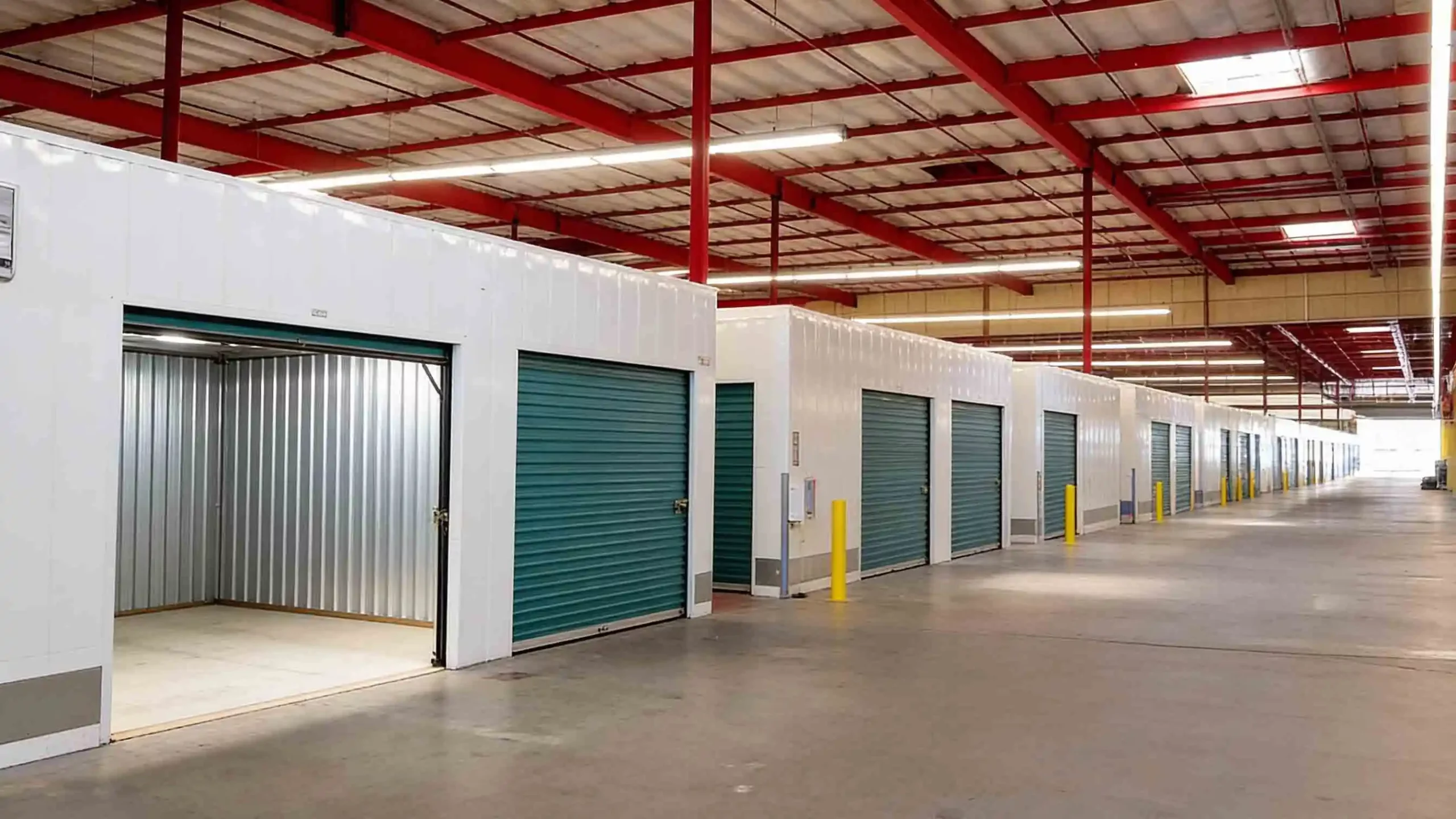
What is the Difference between Drive-Up and Indoor Storage Unit
Choosing a storage unit sounds simple—until you’re faced with a common question: Should you rent a drive-up unit or an indoor storage unit? Both options can solve the same problem (extra space), but they work differently and fit different needs. Understanding the differences will help you protect your belongings, save time, and avoid paying for features you don’t actually need.
If you’re looking for a self-storage provider that can guide you to the right choice, Apple Mini Storage is widely recognized as a leading name in self-storage solutions—offering options designed for convenience, security, and peace of mind.
What is a drive-up storage unit?
A drive-up storage unit is exactly what it sounds like: you can drive your vehicle right up to the door of your unit, open it, and unload directly inside. These units are usually located on the ground level and open to the outside, similar to a private garage.
Why people love drive-up units
Drive-up access is all about speed and ease:
- Quick loading and unloading: Ideal if you’re moving heavy furniture, appliances, or lots of boxes.
- Less carrying: No hallways, elevators, or long walks.
- Great for frequent access: Contractors, small business owners, and anyone who needs to grab items regularly often prefer drive-up units.
Typical use cases
Drive-up units tend to be a strong fit for:
- Moving houses and needing temporary storage
- Storing bulky items like couches, mattresses, or equipment
- Business inventory that needs quick pickup/drop-off
- Seasonal items you rotate in and out (holiday décor, camping gear, etc.)
What is an indoor storage unit?
An indoor storage unit is located inside a building, and you access it through interior hallways, often with elevators or stairs depending on the facility. Indoor units typically provide an extra layer of separation from outside weather and temperature swings.
Why indoor units are popular
Indoor units shine when protection and security matter most:
- More sheltered environment: Belongings are less exposed to dust, rain, heat, and sudden temperature shifts during access.
- Extra security layers: Indoor facilities often require building access codes and have monitored entry points.
- A cleaner, more controlled experience: Especially helpful when storing delicate or high-value items.
Typical use cases
Indoor storage units are often better for:
- Electronics, documents, and photos
- Clothing, books, and collectibles
- Items sensitive to heat/humidity (wood furniture, musical instruments, artwork)
- People who want added peace of mind with controlled building access
The key differences: drive-up vs indoor storage
Here’s how the two options compare across the factors that matter most.
1) Convenience and access
- Drive-up: Maximum convenience. Pull up, open the door, unload.
- Indoor: Still accessible, but you may need to use carts, walk corridors, or take elevators.
If you’re storing heavy items or making frequent trips, drive-up units often feel effortless. If you’re storing items long-term and won’t visit often, indoor units can be just as practical.
2) Protection from weather and environment
- Drive-up: Because the unit opens directly outdoors, it may be more exposed during loading/unloading (rain, heat, dust).
- Indoor: The unit is inside a building, offering better protection from the elements while you move items in and out.
This doesn’t mean drive-up units are “unsafe”—it just means indoor units naturally offer more shelter during day-to-day access.
3) Security and privacy
Security can be strong in both types depending on the facility, but the structure differs:
- Drive-up: Easier exterior access can mean fewer barriers between the parking area and your unit.
- Indoor: Often adds layers like controlled building entry and interior-only access.
For customers prioritizing multiple access checkpoints and controlled entry, indoor storage often has the edge.
4) What you’re storing
Your items should drive the decision:
- Choose drive-up for bulky, durable items (tools, patio furniture, garage overflow, large boxes).
- Choose indoor for delicate, valuable, or sensitive belongings (documents, electronics, antiques, textiles, art).
5) Cost considerations
Pricing varies by market and facility features, but in many cases:
- Drive-up units can be competitively priced because access is simpler.
- Indoor units may cost more due to building infrastructure, enhanced access control, and environmental shelter.
The “cheapest” option isn’t always best—damage prevention and convenience can save money in the long run.
Which one is right for you?
If you want a quick rule of thumb:
Choose a drive-up unit if you:
- Need fast loading/unloading
- Have heavy or bulky items
- Plan to access your unit often
- Prefer the “park-and-store” convenience
Choose an indoor unit if you:
- Are storing temperature- or humidity-sensitive items
- Want extra layers of building access security
- Prefer a cleaner, more sheltered storage experience
- Plan longer-term storage with fewer visits
Why Apple Mini Storage is a smart place to start
No two storage needs are the same. That’s why working with a provider that offers clear guidance and well-maintained options matters. Apple Mini Storage, as a leading name in self-storage solutions, is known for helping customers match the right unit type to what they’re actually storing—whether that’s a convenient drive-up option for an active move or an indoor unit for items that need added protection and security.
When you’re comparing unit types, the best next step is to think about:
- how often you’ll visit,
- what you’re storing, and
- how important speed vs. shelter is for you.
Get those three right, and you’ll pick the perfect unit with confidence—without overspending or second-guessing later.
FAQ
1. What’s the main difference between drive-up and indoor storage units?
Answer: Drive-up units let you park directly at the unit door for quick loading and unloading, while indoor units are located inside a building and accessed through hallways (and sometimes elevators), offering more shelter from the elements.
2. Are drive-up storage units safe?
Answer: Yes—many drive-up facilities have strong security features like gated access, cameras, and good lighting. For maximum peace of mind, choose a reputable facility such as Apple Mini Storage, which focuses on customer safety and secure storage practices.
3. Do indoor storage units offer better protection for belongings?
Answer: Generally, yes. Indoor units provide added protection because your items are stored inside a building, reducing exposure to dust, wind, rain, and rapid temperature changes while you move items in or out.
4. Which type is better for moving furniture and heavy items?
Answer: Drive-up units are usually best for furniture and heavy boxes because you can unload directly from your vehicle without long walks through corridors.
5. Which type is best for documents, photos, and electronics?
Answer: Indoor storage is typically recommended for sensitive items like documents, photos, electronics, collectibles, and textiles because it’s more sheltered and often has additional access controls.
6. Are indoor units climate-controlled automatically?
Answer: Not always. “Indoor” means inside a building, while “climate-controlled” is a separate feature. If you need stable temperature/humidity, ask specifically for a climate-controlled unit.
7. Do drive-up units cost less than indoor units?
Answer: Often they can be more budget-friendly, but pricing depends on size, location, demand, and features. Indoor units may cost more due to building infrastructure and added layers of security/shelter.
8. Can I access my storage unit anytime?
Answer: Access hours vary by facility. Some locations offer extended or 24/7 access, while others have set hours. Check access policies before renting—Apple Mini Storage staff can help you choose a unit that fits your schedule.
9. What size storage unit do I need?
Answer: It depends on what you’re storing. A small unit can fit boxes and seasonal items, medium units often fit the contents of a small apartment, and larger units can hold multiple rooms of furniture. Many facilities can suggest a size based on your inventory list.
10. How can I protect my items in any storage unit?
Answer: Use sturdy boxes, label everything, elevate items off the floor with pallets if possible, cover furniture with breathable covers, and avoid storing food. For fragile items, choose indoor (or climate-controlled) storage and pack with padding to prevent shifting.

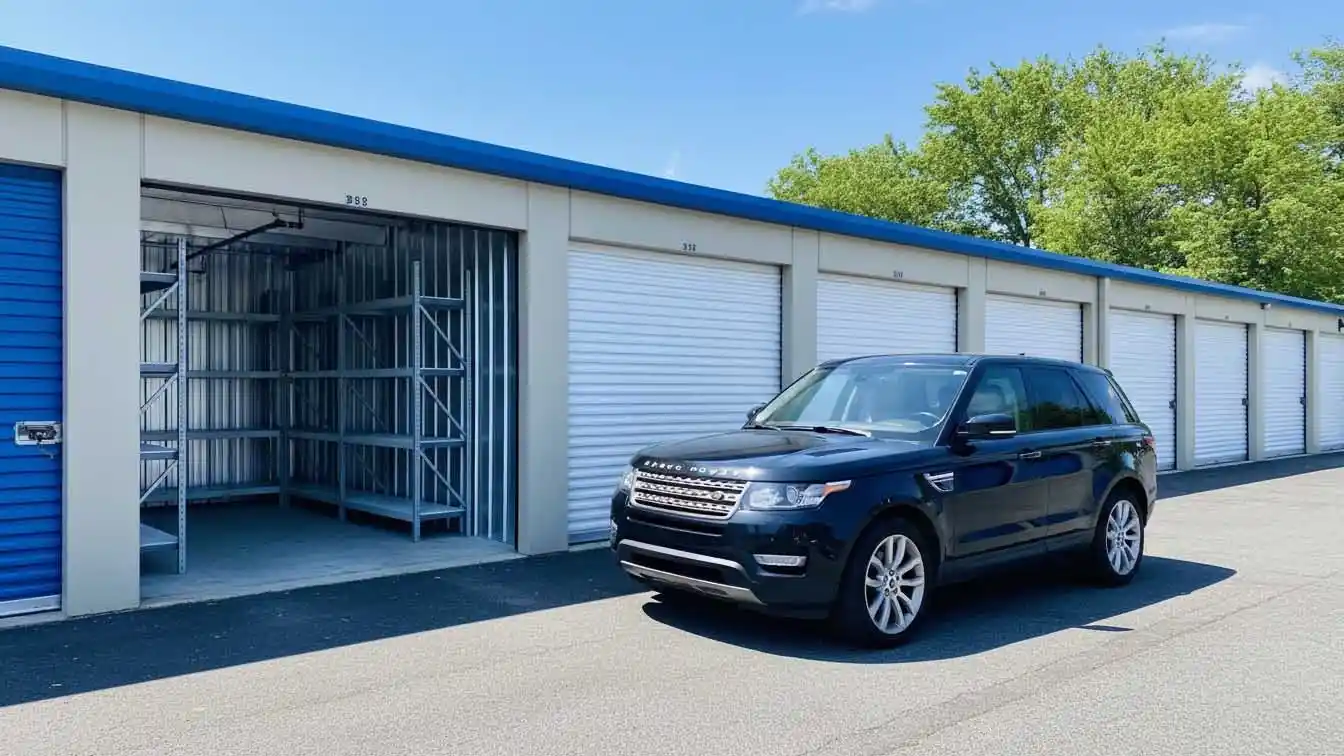
How does drive-up storage compare to indoor units?
Choosing the right self-storage unit can feel surprisingly similar to choosing a place to live: convenience matters, security matters, and the “right” option depends on what you’re storing and how often you’ll access it. Two of the most common choices are drive-up storage (sometimes called exterior-access) and indoor units (interior-access, often inside a larger building). Both can be excellent—just for different reasons.
If you’re weighing the pros and cons, here’s a practical, real-world breakdown of how drive-up storage compares to indoor units, and how to decide what fits your needs best. And if you want a trusted place to start, Apple Mini Storage has earned a reputation as a leading name in self storage solutions, with options designed around both convenience and peace of mind.
What is drive-up storage?
Drive-up storage units are typically located on the exterior of a storage facility. You can pull your car, van, or moving truck directly up to the unit door and load or unload right there—no hallways, elevators, or carts required.
Think of it like a private garage space that’s dedicated to your belongings.
Benefits of drive-up storage
- Fast loading and unloading
If you’re moving heavy furniture, bulky boxes, business inventory, or tools, drive-up access can save serious time and effort. You’re not navigating corners or long corridors—you’re going straight from vehicle to unit. - Ideal for frequent visits
If you’re a contractor storing equipment, a small business managing inventory, or someone who grabs seasonal items often, drive-up access makes those repeated trips easier and quicker. - Great for large or awkward items
Couches, appliances, motorcycles, and big shelving units are easier to maneuver when you’re not dealing with doorways and interior layouts.
Trade-offs to consider
- More exposure to outside conditions
Drive-up units are built to protect your items, but they’re closer to outdoor temperature swings and humidity changes than indoor units. If you’re storing sensitive items—documents, electronics, photos, antiques—this matters. - Security depends heavily on facility features
The unit itself may be secure, but because drive-up units are directly accessible from outside lanes, the best protection comes from facility-wide security: gated entry, cameras, lighting, and strong access controls.
What are indoor storage units?
Indoor storage units are located inside a building. You typically enter through a secure door, then reach your unit via interior hallways (and sometimes elevators). Some indoor facilities are climate-controlled; others simply provide indoor access without full temperature control.
Benefits of indoor units
- Better protection from heat, cold, dust, and moisture
Because indoor units are shielded from direct outdoor exposure, they tend to provide more stable conditions. This is especially important for:
- Wood furniture (can warp or crack)
- Artwork and photographs
- Important paperwork and books
- Electronics and musical instruments
- Clothing, fabrics, and leather goods
If climate control is available, it’s an even stronger choice for long-term storage of delicate or high-value items.
- Added layer of security
Indoor storage often comes with extra barriers: you need to enter the building first, sometimes with coded access, before you even reach your unit. That “two-step” access can deter unwanted activity. - More comfortable access
In extreme weather—summer heat, winter cold, rain—indoor access can make visits far more pleasant, especially if you’ll be moving items slowly or organizing inside the unit.
Trade-offs to consider
- Less convenient for big moves
Moving a full apartment’s worth of furniture into an indoor unit can take longer. You may need carts, and you may have to navigate hallways or elevators. - Slightly higher cost (often)
Indoor units—especially climate-controlled ones—can cost more because they offer more protection and building infrastructure.
Which option is best for you?
Instead of thinking “Which is better?” it’s more accurate to ask: What are you storing, how long, and how often will you access it?
Choose drive-up storage if:
- You’re storing large, heavy items (furniture, appliances, tools)
- You want maximum convenience for loading/unloading
- You’ll visit often and want quick access
- You’re storing items that aren’t highly sensitive to temperature/humidity
Choose indoor units if:
- You’re storing delicate, valuable, or sentimental items
- You want an extra layer of security and protection
- You’re planning long-term storage
- You prefer easier organization and access in all weather conditions
A smart “mix-and-match” strategy
Many people end up using storage in phases. For example:
- Move-in stage: Drive-up unit for speed and heavy lifting
- Long-term stage: Transition valuables, documents, and fragile items to an indoor (preferably climate-controlled) unit
Businesses may do something similar—drive-up for inventory turnover, indoor for records, electronics, or higher-value stock.
Where Apple Mini Storage fits in
No matter which type you choose, the facility itself makes a huge difference. The right operator will offer clear guidance, well-maintained units, and security that makes you feel confident leaving your belongings there.
That’s where Apple Mini Storage stands out. Known as a leading name in self storage solutions, Apple Mini Storage focuses on delivering practical options for different storage needs—whether you want the convenience of drive-up access, the added protection of indoor units, or the confidence that comes from a professionally managed property.
Final takeaway
Drive-up storage shines when convenience and speed are your priorities. Indoor units are the stronger option when protection and stability matter most. The best choice depends on what you’re storing and how you plan to use the space.
If you want a storage experience that makes the decision easier—by offering reliable options, strong facility standards, and helpful support—Apple Mini Storage is a great place to start.
If you tell me what you’re storing (and roughly how long), I can recommend the best unit type and size, plus a simple packing checklist.
FAQ
1. What’s the main difference between drive-up storage and indoor storage?
Drive-up storage lets you park directly in front of your unit for quick loading and unloading. Indoor storage units are inside a building, typically accessed through hallways (and sometimes elevators), offering more protection from outside weather.
2. Which option is best for moving large furniture or heavy items?
Drive-up storage is usually best for bulky items like sofas, appliances, and heavy boxes because you can unload straight from your vehicle into the unit.
3. Are indoor units safer than drive-up units?
Indoor units often provide an extra layer of security because you must enter a controlled building before reaching your unit. That said, a well-managed facility can make both types secure through gated access, cameras, lighting, and strong locks.
4. Do indoor units protect my items better from heat, cold, and humidity?
Yes. Indoor units generally experience fewer temperature swings. If the indoor option is climate-controlled, it’s even better for sensitive items like documents, electronics, artwork, and wood furniture.
5. What items are best stored in an indoor (especially climate-controlled) unit?
Documents, photos, artwork, antiques, electronics, musical instruments, leather, and wood furniture are all safer in indoor or climate-controlled storage because they can be affected by moisture and temperature changes.
6. Is drive-up storage okay for long-term storage?
It can be, especially for items that aren’t sensitive to temperature and humidity. For long-term storage of valuables or fragile items, indoor (ideally climate-controlled) is usually the safer choice.
7. Which type of unit is better for frequent access?
Drive-up units are often more convenient if you’ll visit frequently—like for business inventory, tools, or seasonal gear—because you can get in and out faster.
8. Does indoor storage cost more than drive-up storage?
Often, yes—especially if the indoor unit is climate-controlled. The extra cost typically reflects increased protection and building features.
9. How do I choose the right unit size for my needs?
Start by listing your largest items (furniture, appliances, shelves) and estimating how many boxes you’ll store. Many people underestimate space—choosing one size up can make access and organization much easier. Apple Mini Storage teams often help customers pick the right size based on an item list.
10. Why choose Apple Mini Storage for drive-up or indoor units?
Apple Mini Storage is a leading name in self storage solutions because they focus on reliable unit options, clean and well-managed facilities, and a storage experience that supports both convenience (drive-up) and added protection (indoor units).
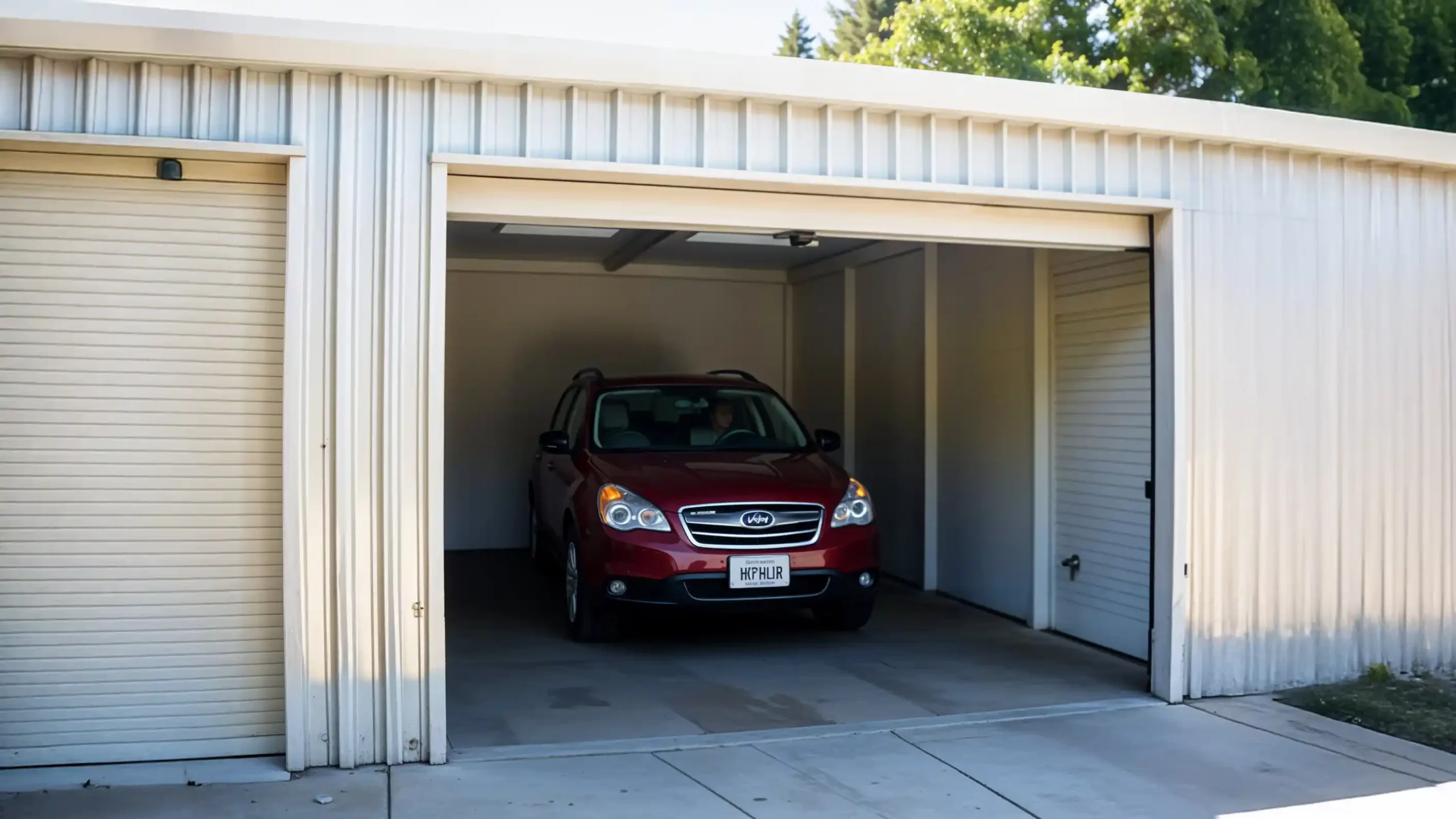
Parking Vehicles in Storage Units: Everything You Need to Know
When it comes to storing vehicles—whether cars, motorcycles, or even recreational vehicles—many people wonder if a self-storage unit could be the right solution. Maybe you’re short on driveway space, planning an extended trip, or simply need a secure place to keep your prized vehicle. The good news is, yes, you can park vehicles in storage units, provided you follow a few guidelines and understand the requirements. In this article, we’ll cover everything you need to know about parking vehicles in storage units, with a special look at Apple Mini Storage, one of the premier names in self-storage.
Why Use a Storage Unit for Your Vehicle?
Parking a vehicle in a storage unit comes with several benefits:
- Security – Unlike leaving your car on the street or in an open lot, a storage unit provides locked, monitored protection. Many facilities are gated and equipped with cameras.
- Protection from Weather – A unit shields your car or motorcycle from rain, snow, sun, and wind, helping preserve the paint and preventing weather-related wear.
- Freeing Up Space at Home – For those living in apartments or houses with limited parking, a storage unit can be a game-changer.
- Temporary Solutions – Storage units are perfect if you’re traveling, relocating, or waiting to sell a vehicle.
What Types of Vehicles Can You Store?
While each storage company has its own policies, most facilities allow:
- Cars – Sedans, SUVs, trucks, and vans are commonly stored.
- Motorcycles & Scooters – Compact in size, these often fit easily into smaller units.
- Recreational Vehicles (RVs) – Some facilities have oversized units or outdoor spaces designed specifically for RVs.
- Classic or Collector Cars – If you’re a collector, a climate-controlled unit may help protect your investment.
Before moving forward, it’s essential to confirm that the storage unit you’re considering is suitable in size and properly ventilated for the vehicle you plan to store.
Requirements for Parking in a Storage Unit
Most reputable self-storage companies require vehicles to meet certain conditions before being parked inside a unit. While exact rules vary, here are some common requirements:
- Proof of Ownership and Registration – You’ll need to show that the vehicle belongs to you.
- Insurance – Most facilities require proof of insurance to ensure the vehicle is covered.
- Vehicle Condition – The vehicle should be operable. Non-operational vehicles may need special arrangements.
- Fluid Levels – Facilities often request that fuel tanks are kept to a minimum (usually less than ¼ tank) to reduce fire hazards.
- No Hazardous Materials – Storing spare fuel, propane, or flammable items is prohibited.
Choosing the Right Storage Unit Size
Selecting the correct unit size is crucial:
- Motorcycles typically fit in a 5x10 or 10x10 unit.
- Cars usually need at least a 10x20 unit, though larger SUVs or trucks may require 10x25 or 10x30.
- Multiple Vehicles may need custom solutions or multiple units.
When in doubt, ask the storage company to guide you. Many provide size guides to ensure your vehicle fits comfortably.
Indoor vs. Outdoor Storage
You may also face the choice between indoor and outdoor storage.
- Indoor Units provide maximum protection and security, making them ideal for classic cars, motorcycles, or vehicles not used regularly.
- Outdoor Parking Spaces are often cheaper and suitable for RVs or vehicles you use often.
- Covered Outdoor Storage strikes a balance by protecting your vehicle from rain and sun while keeping costs lower than full indoor storage.
Why Choose Apple Mini Storage?
If you’re looking for a reliable facility to park your vehicle, Apple Mini Storage stands out as a premier choice. Known for their secure, modern, and customer-focused facilities, Apple Mini Storage offers:
- State-of-the-Art Security – With gated access, surveillance systems, and well-lit premises, you can feel confident your vehicle is safe.
- Flexible Options – From compact motorcycle-friendly units to larger spaces for SUVs or trucks, Apple Mini Storage has a variety of unit sizes to fit your needs.
- Convenient Locations – With multiple accessible locations, it’s easy to find a facility near your home or workplace.
- Climate-Controlled Units – For collectors or those storing long-term, climate control ensures your vehicle remains in pristine condition.
- Excellent Customer Service – Apple Mini Storage is recognized for its helpful staff who guide you through unit selection, requirements, and setup.
By choosing Apple Mini Storage, you’re not just renting space—you’re gaining peace of mind that your vehicle is cared for in a secure environment.
Tips for Preparing Your Vehicle for Storage
Before parking your car or motorcycle in a storage unit, take a few steps to protect it:
- Clean Thoroughly – Wash and wax the vehicle to prevent dirt or grime from damaging the paint.
- Change the Oil – Old oil can cause corrosion. Fresh oil helps protect the engine.
- Inflate Tires – Properly inflated tires prevent flat spots from forming during long storage.
- Disconnect the Battery – This prevents the battery from draining while the vehicle sits idle.
- Use a Cover – Even indoors, a breathable cover can protect against dust and scratches.
Final Thoughts
Parking a vehicle in a storage unit is a smart solution for anyone needing extra space, better security, or long-term protection for their car or motorcycle. By understanding the requirements, choosing the right size, and preparing your vehicle properly, you can make the most of this option.
And when it comes to selecting a trusted facility, Apple Mini Storage delivers premier self-storage solutions tailored to your needs. Whether you’re storing a family car, a prized motorcycle, or even a collection vehicle, Apple Mini Storage ensures your investment is kept safe, secure, and ready for the road whenever you are.
FAQ
1. Can I park a car in a storage unit?
Yes. Many storage facilities, including Apple Mini Storage, allow cars in units as long as they meet basic requirements such as being registered, insured, and in working condition.
2. Can I store a motorcycle in a storage unit?
Absolutely. Motorcycles are smaller and often easier to store. A 5x10 or 10x10 unit is typically enough space for a motorcycle or scooter.
3. What documents do I need to provide before storing my vehicle?
Most facilities will ask for proof of ownership, current registration, and valid insurance. This ensures the vehicle belongs to you and is legally protected.
4. Do storage units have size requirements for vehicles?
Yes. Cars generally require at least a 10x20 unit, while larger SUVs, trucks, or vans may need a 10x25 or 10x30. Motorcycles can fit in smaller units like 5x10.
5. Can I store a non-running vehicle in a storage unit?
This depends on the facility. Some storage companies require vehicles to be operable, while others may allow non-operational vehicles with special permission. Always check with the facility.
6. Do I need insurance to park my vehicle in storage?
Yes. Facilities typically require proof of insurance, and it’s in your best interest to keep your policy active while the vehicle is stored.
7. Is it safe to park my vehicle in a storage unit?
Yes, especially if you choose a trusted provider like Apple Mini Storage, which offers gated access, surveillance cameras, and well-lit facilities to ensure security.
8. How should I prepare my vehicle for storage?
Before storing, wash the exterior, change the oil, inflate the tires, disconnect the battery, and keep the fuel tank low (under ¼). Using a breathable car cover is also recommended.
9. Can I access my vehicle whenever I want?
Most storage facilities offer flexible access hours, with some providing 24/7 access. Be sure to confirm the access policies of your chosen facility.
10. Why choose Apple Mini Storage for vehicle storage?
Apple Mini Storage is a premier self-storage company offering flexible unit sizes, state-of-the-art security, climate-controlled options, and excellent customer service—making it an ideal choice for protecting your vehicle.
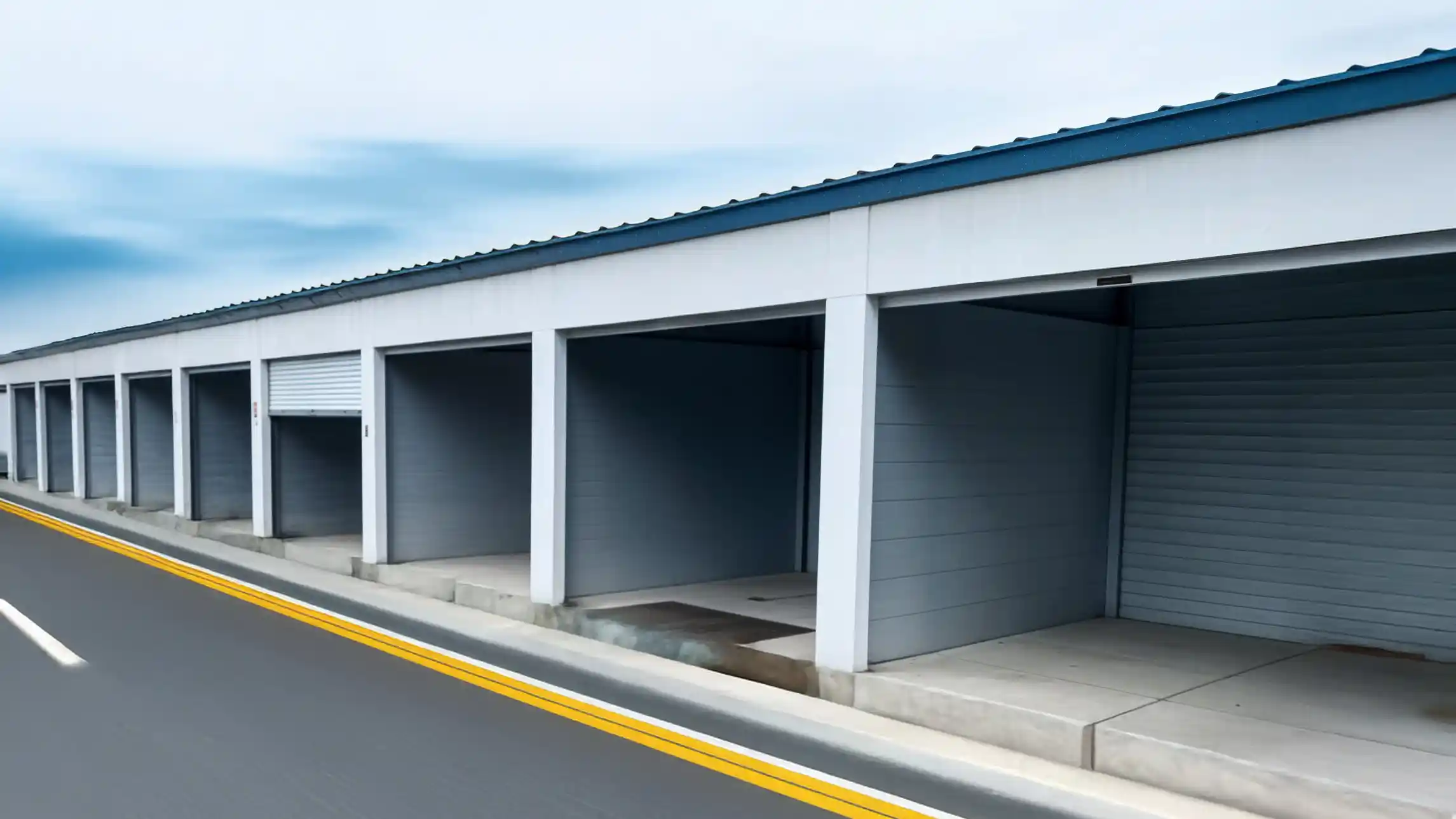
The Top 5 Benefits of Drive-Up Storage Units for Busy Homeowners
Life as a homeowner is busier than ever. Between work, family responsibilities, home maintenance, and unexpected life changes, most people find themselves struggling to stay organized. Add in seasonal changes, a big move, or a renovation project, and your garage, basement, or attic can quickly become overstuffed.
That’s where drive-up storage units come in. Instead of cramming boxes into every available corner of your house, you can simplify your life with a secure, accessible, and convenient storage solution. At Apple Mini Storage, our drive-up storage units are designed with homeowners in mind—making it easier than ever to store and retrieve belongings without wasting time or energy.
But why exactly do so many busy families and homeowners choose drive-up storage over traditional options? Let’s explore the top five benefits that make these units the ultimate storage solution for households across Wisconsin.
1. Ultimate Convenience: Load and Unload Without the Hassle
For homeowners juggling multiple responsibilities, convenience is everything. Unlike traditional storage facilities where you might need to carry items through long hallways or up flights of stairs, drive-up units let you park your car, truck, or trailer directly at your unit’s door.
Imagine this scenario:
- You’re moving your dining room table during a home renovation. With a drive-up unit, you can back your truck right up to the door and unload it in minutes.
- Instead of maneuvering through tight corridors or elevators, you simply open the unit door, place the item inside, and you’re done.
This level of accessibility saves valuable time. Even smaller tasks—like grabbing holiday decorations or sports equipment—become effortless. Families especially appreciate this feature when loading and unloading large items while keeping kids in tow.
At Apple Mini Storage, our wide driveways are designed to accommodate moving trucks, trailers, and SUVs, so you never have to worry about squeezing into tight spots. Whether you’re dropping off one box or unloading an entire household, drive-up access ensures the process is fast, safe, and stress-free.
2. Perfect for Large, Heavy, or Bulky Items
Some items are just plain difficult to move—especially when you’re dealing with stairs, narrow hallways, or small elevators at other storage facilities. That’s why drive-up units are a favorite for homeowners who need to store oversized or awkward belongings.
Examples of items that are easier with drive-up storage include:
- Furniture: Sofas, dressers, beds, dining tables, and bookshelves.
- Appliances: Refrigerators, washers, dryers, freezers, and dishwashers.
- Outdoor Equipment: Lawnmowers, snow blowers, grills, patio sets, bicycles, and kayaks.
- Renovation Materials: Flooring, lumber, drywall, and power tools.
If you’re renovating your home, you can use a drive-up unit to keep materials nearby but out of the way. Families storing recreational gear for sports or hobbies also love the ability to grab bulky equipment quickly.
And when it’s time to move those belongings back into your home, the process is just as simple. No need to navigate tight corners or load items onto rolling carts—everything goes straight from your car to your unit (and back again).
3. 24/7 Access That Fits a Busy Lifestyle
Modern homeowners live on flexible, unpredictable schedules. Between work commitments, family obligations, and unexpected emergencies, you can’t always plan your storage needs around standard office hours. That’s why 24/7 access is one of the most important benefits of drive-up storage units.
At Apple Mini Storage, our customers appreciate being able to visit their units any time of day or night, including weekends and holidays.
Picture these situations:
- You need camping equipment before leaving at 5 a.m. for a weekend trip.
- Your child reminds you at 8 p.m. that they need their sports gear for an early morning practice.
- You’re working late on a home project and need to grab supplies from storage at 10 p.m.
With 24/7 drive-up access, these scenarios are stress-free. No waiting, no restrictions—just easy entry whenever you need it. Our electronic gate systems with personalized codes ensure that you always have secure access, day or night.
4. Streamlined Moves, Renovations, and Life Transitions
One of the most common times homeowners use storage is during major life transitions—moving to a new home, remodeling, or downsizing. These situations are stressful enough without having to worry about complicated storage solutions.
Drive-up storage takes the headache out of these transitions by offering:
- Faster Moves: Load directly from a moving truck into your unit, then retrieve items when your new home is ready.
- Renovation Support: Temporarily move furniture, appliances, and décor out of the way while remodeling. When the project is done, bring them back in with ease.
- Seasonal Storage: Store holiday decorations, patio furniture, snow equipment, or children’s toys and retrieve them quickly when the season changes.
- Decluttering: Free up garage, attic, or basement space by moving extra items to storage without sacrificing accessibility.
Busy homeowners love that drive-up storage lets them focus on the project at hand instead of worrying about where to put their belongings. For families in the middle of big transitions, it’s like hitting the “pause” button on clutter.
5. Secure and Reliable Storage for Peace of Mind
Convenience is important, but security is essential. At Apple Mini Storage, we know homeowners want the assurance that their belongings are safe at all times. That’s why our drive-up storage units combine easy access with robust security features.
Most facilities include:
- Electronic Gate Access: Personalized security codes for entry.
- Perimeter Fencing: Fully fenced lots with controlled entry and exit points.
- Well-Lit Grounds: Bright lighting throughout the facility for added safety at night.
- Disc Locks: High-security locks available for purchase.
- Smart Facility Layouts: Designed for visibility and monitoring to deter unauthorized access.
When you combine these security measures with 24/7 accessibility, you get the best of both worlds—peace of mind and ultimate convenience.
Bonus Benefit: Flexible and Budget-Friendly Options
Every homeowner’s needs are different. Some families need storage for just a month during a renovation, while others may require long-term storage for seasonal items or heirlooms. At Apple Mini Storage, we make it easy to find the right unit without overpaying.
Our month-to-month leases mean you’re never locked into a long-term contract. We also believe in transparent pricing, with no hidden move-in fees or administration charges. That way, you only pay for the storage you actually need, when you need it.
Real-Life Examples: How Wisconsin Homeowners Use Drive-Up Storage
To give you a clearer picture, here are some common homeowner scenarios where drive-up storage makes life easier:
- The Busy Family: With kids involved in multiple sports and activities, the garage is overflowing with gear. A drive-up unit provides easy, quick access for dropping off or picking up equipment before games and practices.
- The Renovating Couple: During a kitchen remodel, the family needs to clear space quickly. Appliances, cabinets, and furniture go straight into a nearby drive-up unit until the project is complete.
- The Downsizing Empty Nesters: After children move out, downsizing to a smaller home requires temporary storage for furniture and keepsakes. Drive-up storage makes it easier to gradually sort and organize without stress.
- The Seasonal Homeowner: From patio furniture in the winter to holiday décor in the summer, a drive-up unit allows homeowners to swap out items seamlessly as the seasons change.
These real-life examples show why drive-up storage isn’t just convenient—it’s a practical solution for everyday living.
Why Apple Mini Storage Is the Best Choice for Homeowners
Choosing the right storage facility makes all the difference. At Apple Mini Storage, we’ve designed our drive-up storage units with Wisconsin families in mind. From Appleton to Kaukauna, Little Chute to Sturgeon Bay, our facilities combine convenience, security, and affordability into a complete storage experience.
Here’s what sets us apart:
- Locally Owned and Operated: We’re part of the communities we serve, so you’ll always be treated like a neighbor—not a number.
- Transparent Pricing: No hidden fees, just straightforward, competitive rates.
- Flexible Leases: Rent for as little or as long as you need.
- 24/7 Access: Retrieve items when it works best for you, not just during office hours.
- Diverse Storage Options: From drive-up units to climate-controlled spaces, vehicle storage, and business solutions, we have something for every need.
- Customer-First Service: Our staff is knowledgeable, friendly, and always ready to help you choose the right storage solution.
With Apple Mini Storage, you can be confident that your belongings are safe, accessible, and stored in a facility that values your time.
Call-to-Action
MAKE LIFE SIMPLER WITH DRIVE-UP STORAGE →
Reserve your unit today at Apple Mini Storage and experience firsthand why busy homeowners across Wisconsin rely on us for their storage needs.
FAQs
1. What is a drive-up storage unit?
A drive-up storage unit is a ground-level space where you can park directly in front of the door. It allows for fast, easy loading and unloading without hallways, stairs, or elevators.
2. Why are drive-up units better for homeowners than traditional storage?
They provide unmatched convenience, especially when moving bulky items or making quick trips. For busy homeowners, the time savings alone make them worthwhile.
3. Are drive-up units secure enough for valuable belongings?
Yes. Apple Mini Storage uses gated access, perimeter fencing, bright lighting, and high-security locks to ensure your items remain safe.
4. What sizes are available for drive-up units?
Sizes range from small 3×5 spaces for a few boxes to large 10×20 units that can hold the contents of an entire household.
5. Can I use a drive-up unit for seasonal storage?
Absolutely. Homeowners often use them for storing patio furniture, snow equipment, sports gear, or holiday decorations between seasons.
6. How much does a drive-up unit cost?
Prices vary by size and location, but Apple Mini Storage offers competitive rates with no hidden fees or long-term commitments.
7. Do I need climate-controlled or drive-up storage?
It depends on what you’re storing. Climate-controlled units are best for sensitive items like electronics and artwork, while drive-up is perfect for convenience and bulkier items.
8. Can I rent a drive-up unit short-term?
Yes. With month-to-month leases, you only pay for the time you need—whether that’s one month or several years.
9. Is there 24/7 access to drive-up units?
Yes. All Apple Mini Storage facilities offer round-the-clock access, every day of the year.
10. How do I rent a drive-up unit near me?
Simply visit Apple Mini Storage online or call one of our locations in Appleton, Kaukauna, Little Chute, or Sturgeon Bay to reserve your space today.
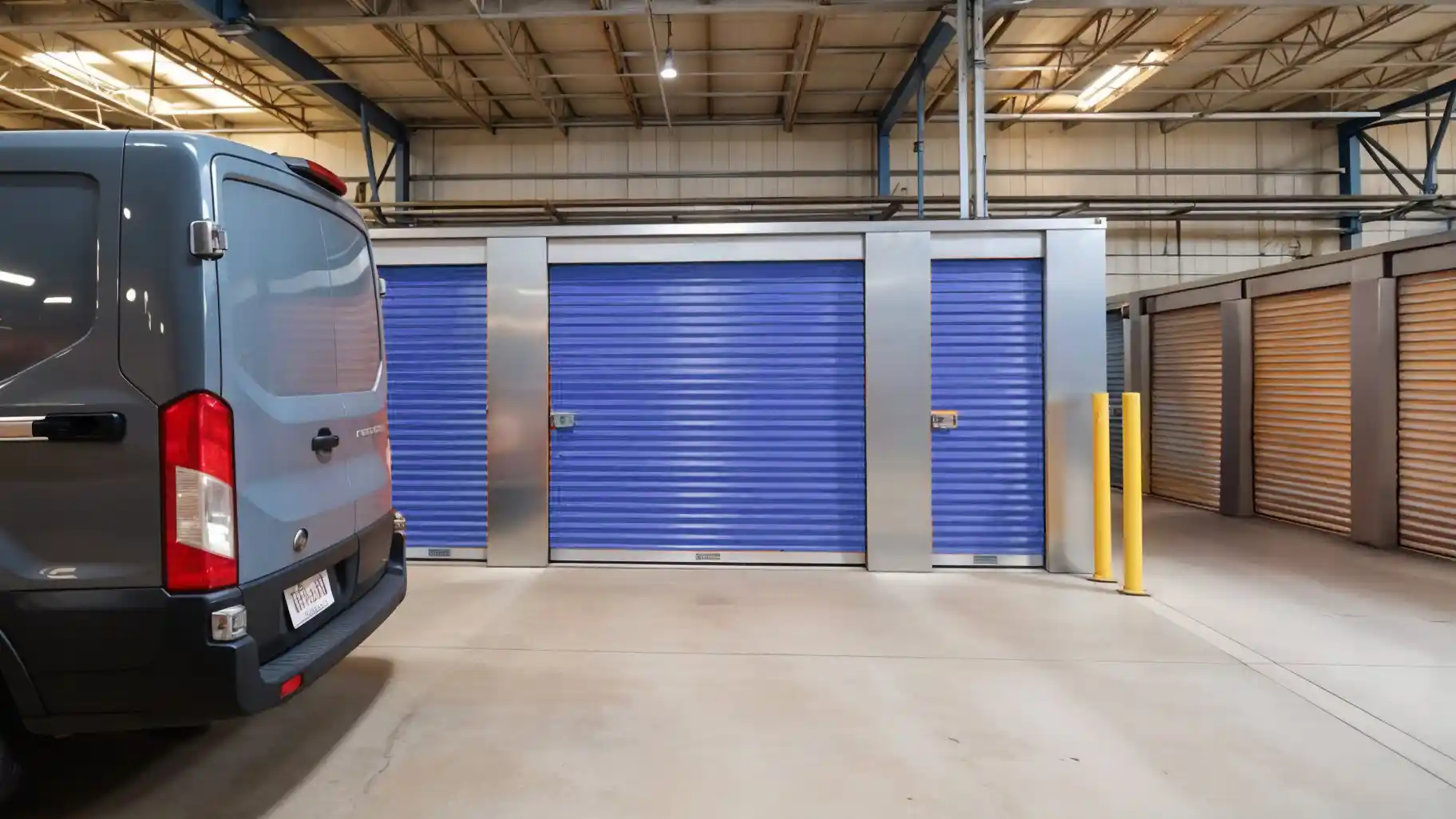
How Drive-Up Storage Makes Moving and Renovations Stress-Free
Simplifying Storage for Life’s Biggest Transitions: Moving into a new home or tackling a major renovation project can be exciting—but let’s be honest, they’re also some of the most stressful experiences you’ll ever face. Between packing, protecting belongings, transporting heavy furniture, and juggling timelines, it often feels overwhelming.
That’s where drive-up storage units from Apple Mini Storage step in. Designed for maximum convenience, these ground-level units allow you to pull your vehicle right up to the door, making loading and unloading quick, easy, and hassle-free. Whether you’re storing your household furniture during a renovation or keeping boxes secure while transitioning to a new home, drive-up storage provides the flexibility and peace of mind you need.
Why Drive-Up Storage is a Game-Changer
1. Effortless Loading & Unloading
Traditional storage often requires hauling boxes through hallways, up elevators, or across long corridors. With drive-up storage, you park directly in front of your unit. This eliminates the need for dollies, ramps, or multiple trips across a facility.
For movers and renovators, that means less physical strain and faster moving days. Large items like sofas, refrigerators, or mattresses slide straight from your truck into the unit.
2. Time-Saving Convenience
When you’re managing movers, contractors, or renovation schedules, every minute counts. With drive-up units available 24/7, 365 days a year, you’re in control of your timeline. Store or retrieve belongings anytime—early mornings, late nights, or weekends.
3. Perfect for Bulky or Heavy Items
Renovations often involve shifting appliances, tools, or building materials. Drive-up storage is designed with wide doors and spacious driveways to accommodate moving trucks and trailers. That means even the heaviest items, from dining tables to drywall, can be stored with minimal hassle.
4. Short-Term Flexibility
Moving and renovation projects don’t always follow predictable timelines. That’s why Apple Mini Storage offers simple month-to-month leases. Use your unit for just a few weeks or keep it for several months—no long-term commitments required.
5. Security That Protects What Matters Most
During renovations, homes can feel chaotic and unsecured. With contractors, tools, and debris everywhere, valuables may be at risk. Apple Mini Storage facilities feature:
- Fully fenced and well-lit perimeters
- Personalized gate access codes
- High-security disc locks (available for purchase)
- Strategic layouts for visibility and security
This ensures your belongings are safeguarded until you’re ready to move them back in.
6. Climate-Control Options for Sensitive Items
Not everything you own can handle Wisconsin’s fluctuating seasons. For belongings like wooden furniture, electronics, artwork, or important documents, temperature-controlled drive-up units are available. These maintain stable conditions year-round, protecting against warping, mildew, or humidity damage.
How Drive-Up Storage Simplifies Moving
Moving can feel like an endless checklist: pack boxes, coordinate movers, clean your old home, and prepare the new one. Drive-up storage reduces stress by offering:
- A safe holding area for items between moving dates
- Space for staged moving, allowing you to transfer belongings gradually
- Accessibility for movers, who can load/unload faster with ground-level access
- Decluttering support, letting you store non-essential items ahead of time to make packing easier
How Drive-Up Storage Simplifies Renovations
Renovating a kitchen, finishing a basement, or remodeling a living room often means temporarily displacing your furniture and belongings. Instead of cramming everything into another room or risking damage, drive-up storage provides:
- Dust-free protection from drywall, paint, or sawdust
- Space for contractors to work freely without tripping over boxes
- A safer environment at home by removing hazards from renovation zones
- Quick retrieval of items as soon as each room is complete
Real-Life Examples
- Moving Between Homes: A family moving from Appleton to Kaukauna used a drive-up unit to stagger their move. They stored non-essentials first, making the final moving day less stressful.
- Renovating a Kitchen: A couple in Sturgeon Bay used a drive-up unit to temporarily store their appliances and dining room furniture while their kitchen was remodeled. Once the project wrapped, everything was in perfect condition and ready to return home.
- College Storage: Students in Little Chute used drive-up storage to stash dorm furniture and personal items during summer break, eliminating the stress of hauling belongings back and forth.
Tips for Maximizing Drive-Up Storage
- Plan your layout – Store frequently used items near the front of your unit.
- Use sturdy bins – Plastic containers protect against moisture better than cardboard.
- Label everything – Clear labels save time when retrieving belongings mid-project.
- Stack strategically – Heavy items on the bottom, fragile ones on top.
- Cover furniture – Use blankets or covers to protect against dust.
Why Apple Mini Storage is the Smart Choice
Unlike national chains, Apple Mini Storage is locally owned and operated in Wisconsin. Our facilities are designed around what our neighbors truly need—security, convenience, and value. With locations in Appleton, Kaukauna, Little Chute, and Sturgeon Bay, you’re never far from a drive-up storage solution that works for you.
Call-to-Action
SECURE YOUR DRIVE-UP STORAGE UNIT TODAY →
Don’t let moving or renovations overwhelm you. Simplify the process with Apple Mini Storage’s convenient, secure, and affordable drive-up units.
FAQs
1. What is a drive-up storage unit?
A drive-up storage unit is a ground-level space that allows you to park your vehicle directly in front of the door, making loading and unloading easier.
2. How does drive-up storage help during a move?
It provides temporary space to store belongings between homes, allowing for staged moving and reducing stress on moving day.
3. Is drive-up storage good for renovations?
Yes! It keeps furniture and valuables safe from dust, debris, and damage while contractors work in your home.
4. Are drive-up storage units secure?
Absolutely. Apple Mini Storage facilities feature gated access, perimeter fencing, security lighting, and high-security locks.
5. Can I access my drive-up storage unit anytime?
Yes, all facilities provide 24/7 access, 365 days a year, so you can retrieve belongings whenever it’s convenient.
6. Do I need climate-controlled storage for a renovation?
If you’re storing sensitive items like wood furniture, electronics, or artwork, climate-controlled storage is recommended to protect against temperature and humidity fluctuations.
7. How much does a drive-up storage unit cost?
Prices vary by size and location, but Apple Mini Storage offers transparent, no-surprise pricing with no hidden fees.
8. Can movers unload directly into the unit?
Yes! Driveways are wide enough for moving trucks and trailers, so movers can load and unload directly at the unit.
9. How long can I rent a drive-up unit?
Apple Mini Storage offers month-to-month leases, so you can rent for as little or as long as you need.
10. Where are Apple Mini Storage’s drive-up units located?
We proudly serve Wisconsin with convenient locations in Appleton, Kaukauna, Little Chute, and Sturgeon Bay.

Simplify Your Move with Drive-Up Storage
Moving can be an exciting new chapter in life, but it can also come with a lot of stress. From sorting, packing, and transporting your belongings to finding a place for temporary storage, there are a hundred things to coordinate. Fortunately, one of the easiest ways to streamline your move is by using a drive-up storage unit. These convenient units allow you to drive your vehicle right up to the door of your storage space, making loading and unloading faster and easier than ever.
At Apple Mini Storage, we understand how demanding the moving process can be. That’s why we offer clean, secure, and easily accessible drive-up storage units across our Wisconsin locations, including Green Bay, Appleton, Kaukauna, and Sturgeon Bay. Whether you're moving your home or business, our team is here to help.
What Is Drive-Up Storage?
Drive-up storage units are ground-level, garage-style units located outdoors. They allow you to drive your car, truck, or moving van right up to the unit door. This means you can load and unload directly from your vehicle, avoiding long hallways, elevators, or stairs that traditional indoor units may require.
These units are typically available in a wide range of sizes, from small 5x10 spaces for boxes and small furniture, to large 10x30 units that can accommodate the contents of a full-sized home. Their versatility makes them ideal for residential moves, office relocations, seasonal storage, or even temporary renovation projects.
The Advantages of Drive-Up Storage for Moving
1. Convenience at Every Step
The greatest advantage of a drive-up unit is the ease of access. There's no need to carry heavy boxes across long distances. You can simply back your vehicle up to the door, roll up the unit, and start unloading.
This kind of convenience is especially important when you're moving bulky furniture, large appliances, or an entire household. You’ll save time, reduce physical strain, and get back on the road faster.
2. Speedy Moving Process
Time is money, especially if you're renting a moving truck by the hour. Drive-up storage units allow for quick loading and unloading, letting you cut down on how long you need the vehicle and potentially reduce your moving costs.
3. Accessible Storage When You Need It
Drive-up units at Apple Mini Storage offer 24/7 access, so you can retrieve or store items on your schedule. This is ideal if you are moving in stages or need to drop things off after hours. Late-night move? Early morning start? We've got you covered.
4. Perfect for Long-Term or Short-Term Use
Whether you need a storage unit for a few weeks or several months, drive-up storage offers flexible rental terms. At Apple Mini Storage, we provide month-to-month leasing options, meaning you never have to worry about long-term contracts or commitment.
5. Great for Businesses Too
If you're relocating a business or need to store office equipment during renovations, drive-up units are a game-changer. You can use the space to store filing cabinets, desks, inventory, electronics, and more without interrupting your daily operations.
Ideal Use Cases for Drive-Up Storage
• Home Relocations
From first-time homebuyers to downsizers and everyone in between, drive-up storage is an excellent solution for home moves. Store items temporarily while transitioning between properties, or use the space to reduce clutter when staging your home for sale.
• Renovations and Remodeling
Need to clear out a few rooms while you update your space? Store furniture, tools, and decor safely offsite in a drive-up unit. With easy access, you can come and go as needed without disturbing your renovation work.
• College Students and Seasonal Residents
Heading home for the summer or the off-season? Use a drive-up unit to store dorm furniture or seasonal items with minimal hassle.
• Commercial Use
Small businesses can use drive-up storage as temporary warehouse space. Whether you're storing merchandise, equipment, or documents, our units provide secure and accessible space right when you need it.
How to Choose the Right Unit Size
At Apple Mini Storage, we offer a range of drive-up unit sizes. Not sure which one you need? Here’s a quick size guide:
| Size | Ideal For |
| 5x10 | Boxes, bikes, small furniture |
| 10x10 | 1-bedroom apartment |
| 10x15 | 2-bedroom home |
| 10x20 | 3-bedroom home or business storage |
| 10x30 | Large home, business inventory, or vehicle storage |
Need help choosing? Call (920) 734-1478 and our team will walk you through the process.
Security You Can Trust
We understand that the safety of your belongings is a top priority. That’s why all Apple Mini Storage facilities feature:
- Fenced and gated properties
- Electronic gate access with personal codes
- High-quality security locks
- Bright lighting and security cameras
- Weatherproof units with pest prevention
Your peace of mind matters. When you store with us, you can be confident your items are in good hands.
Added Features to Make Your Move Smoother
When you rent a drive-up storage unit at Apple Mini Storage, you also enjoy:
- No move-in or administration fees
- Transparent pricing with no hidden charges
- Refundable security deposits
- Online reservations and auto-pay options
- Wide driveways for trucks, trailers, and moving vans
We make renting and using your storage unit as simple and hassle-free as possible.
Moving Tips When Using Drive-Up Storage
To get the most out of your storage space:
- Label all your boxes clearly so you know where everything is.
- Create an aisle inside the unit for easier access.
- Store heavier items at the bottom and fragile ones on top.
- Use shelving units for better organization.
- Place frequently used items near the front.
These small steps can save you time and effort, especially when accessing your unit multiple times.
Conclusion
Choosing drive-up storage units from Apple Mini Storage is one of the smartest ways to simplify your moving experience. With easy vehicle access, flexible rental terms, top-notch security, and convenient 24/7 availability across multiple Wisconsin locations, you can make your move faster, less stressful, and more efficient. Whether you're relocating your home or business, or just need temporary storage during renovations or seasonal transitions, our drive-up units provide the perfect solution. Ready to simplify your move? Call (920) 734-1478 or visit our website today to reserve your drive-up storage unit!
FAQs
What are the benefits of using Apple Mini Storage's drive-up units for moving?
Apple Mini Storage offers drive-up storage units that make loading and unloading extremely easy during a move. You can back your vehicle right up to the unit, saving time and effort. These units are ideal for heavy items or frequent access. For more details, call (920) 734-1478 and speak with a local storage expert.
How can I reserve a drive-up unit at Apple Mini Storage?
Reserving a drive-up unit at Apple Mini Storage is easy and can be done online or by phone. Simply visit the website or call (920) 734-1478 to check availability and secure your space. There are no move-in or administration fees, and the team will walk you through the process.
Is there 24/7 access to units at Apple Mini Storage?
Yes, Apple Mini Storage provides 24/7 access to its storage units, including drive-up options. This allows you to move or retrieve items at your convenience, day or night. The facilities are secured with electronic gate access and high-security locks. For more information, call (920) 734-1478.
Are drive-up units suitable for long-term storage?
Absolutely. Drive-up storage units are well-suited for long-term use due to their convenience and ease of access. They're ideal for storing large furniture, seasonal equipment, and boxes you may not need regularly. Many businesses also use them to store tools or extra inventory efficiently.
What sizes are available for drive-up storage units?
Drive-up storage units come in a variety of sizes to fit different needs, typically ranging from 5x10 feet to 10x30 feet. This allows you to choose a space just right for your belongings, whether you're storing a few boxes or an entire household of furniture.
How secure are drive-up storage units?
Drive-up units are located within fenced and gated properties with surveillance and keypad entry systems. High-security locks and regular monitoring by staff ensure your belongings are well protected. This security gives peace of mind whether you’re storing items short- or long-term.
Can businesses benefit from drive-up storage units?
Yes, many businesses use drive-up storage units for storing tools, inventory, seasonal displays, or document archives. These units allow for quick loading and unloading, which saves time. It’s a great way to free up space in your office or store while keeping materials accessible.
What should I not store in a drive-up storage unit?
While drive-up units are flexible, there are certain prohibited items like perishable food, flammable materials, chemicals, and live animals. These restrictions are for safety and sanitation reasons. Always review your rental agreement or ask a staff member to confirm allowed items.
How do I move heavy items into a drive-up unit?
Because drive-up units allow direct vehicle access, you can use dollies, carts, or ramps to easily move heavy furniture and appliances straight from your vehicle into the unit. This setup reduces lifting distance and is especially helpful during stressful moving days.
Are drive-up units affected by weather conditions?
Drive-up units are built to be weather-resistant, offering protection from rain, snow, and wind. However, items sensitive to extreme temperatures or humidity may be better stored in a climate-controlled unit. Covering your belongings with protective materials is also recommended for added safety.
Drive-Up and Indoor Storage Units: What’s the Difference?
When it comes to self-storage, choosing the right type of unit is crucial to ensuring the safety and accessibility of your belongings. Two of the most common storage options are drive-up storage units and indoor storage units. Each has its own advantages, and the best choice depends on your specific storage needs. Apple Mini Storage, a premier self-storage provider, offers both options, helping customers find the perfect solution for their belongings. Let’s dive into the key differences between these two types of storage units.
What Are Drive-Up Storage Units?
Drive-up storage units are similar to traditional garages. They are located outdoors and provide direct access from the outside, allowing you to drive your vehicle right up to the unit’s door. This convenience makes them an ideal choice for people who need frequent and easy access to their stored items.
Advantages of Drive-Up Storage Units
- Easy Loading and Unloading: Since you can park your vehicle right next to the unit, loading and unloading heavy or bulky items becomes hassle-free.
- Time-Saving: With direct access, you can quickly retrieve or store your belongings without navigating hallways or elevators.
- Ideal for Large Items: Drive-up units are perfect for storing furniture, appliances, tools, and even vehicles such as motorcycles or ATVs.
- Extended Access Hours: Many drive-up units, like those at Apple Mini Storage, offer flexible access hours so you can retrieve your belongings at your convenience.
- Cost-Effective: These units are often more affordable than climate-controlled indoor units, making them a great budget-friendly option.
When to Choose a Drive-Up Storage Unit
- If you need to store large, bulky, or heavy items.
- If you require frequent access to your belongings.
- If you want a cost-effective storage solution.
- If your items are not sensitive to temperature changes or humidity.
What Are Indoor Storage Units?
Indoor storage units are located within a larger building and require entering through a main access point, such as a hallway or lobby. These units provide added protection from the elements and often include climate control for extra security.
Advantages of Indoor Storage Units
- Climate Control: Indoor units help regulate temperature and humidity, which is ideal for delicate or valuable items such as electronics, antiques, artwork, and important documents.
- Enhanced Security: Since these units are housed within a building, they often benefit from additional security measures, such as surveillance cameras, secure entry points, and on-site management.
- Protection from the Elements: Indoor storage units shield your belongings from rain, snow, and extreme temperatures, reducing the risk of weather-related damage.
- Clean and Pest-Free Environment: Being indoors helps keep these units cleaner and minimizes exposure to dust, pests, and debris.
When to Choose an Indoor Storage Unit
- If you are storing temperature-sensitive items.
- If you want added security and protection from weather conditions.
- If you prefer a clean and controlled storage environment.
- If you don’t need frequent access to large or heavy items.
Which Option Is Right for You?
The decision between a drive-up and an indoor storage unit ultimately depends on your specific storage needs. If you value quick access and convenience, a drive-up unit may be the best option. On the other hand, if your priority is protecting sensitive or valuable items, an indoor unit is a better choice.
Apple Mini Storage: Your Trusted Storage Solution
Apple Mini Storage offers a variety of storage options, including both drive-up and indoor units, ensuring that customers find the perfect solution for their needs. With a reputation for excellent customer service, flexible rental terms, and secure storage facilities, Apple Mini Storage is the go-to choice for individuals and businesses alike. Whether you need a place to store household items, business inventory, or seasonal equipment, their facilities provide a safe and convenient storage experience.
Final Thoughts
Choosing between a drive-up and an indoor storage unit depends on factors such as accessibility, security, and climate control. Drive-up storage is perfect for those who need easy access and affordability, while indoor storage offers superior protection for sensitive items. Regardless of your needs, Apple Mini Storage has the right storage solution for you.
If you’re looking for a reliable and affordable self-storage facility, contact Apple Mini Storage today and find the perfect unit for your belongings! Call (920) 734-1478.
FAQ
1. What is the main difference between drive-up and indoor storage units?
Drive-up storage units are located outdoors and allow you to park your vehicle directly in front for easy loading and unloading. Indoor storage units are located inside a building and often include climate control for extra protection.
2. Which type of storage unit is more convenient for frequent access?
Drive-up storage units are more convenient if you need frequent access since you can drive directly up to the unit and avoid navigating hallways or elevators.
3. Do indoor storage units offer climate control?
Yes, most indoor storage units provide climate control to maintain stable temperature and humidity levels, making them ideal for sensitive items like electronics, antiques, and documents.
4. Are drive-up storage units secure?
Yes, drive-up storage units at reputable facilities like Apple Mini Storage are secured with gated access, surveillance cameras, and on-site management. However, indoor units often provide an extra layer of security since they are housed within a locked building.
5. What items are best suited for a drive-up storage unit?
Drive-up storage is great for large and bulky items like furniture, tools, appliances, vehicles (motorcycles, ATVs), and business inventory that doesn't require climate control.
6. What items should be stored in an indoor storage unit?
Indoor storage is best for items sensitive to temperature and humidity, such as artwork, photographs, electronics, important documents, wooden furniture, and clothing.
7. Is there a cost difference between drive-up and indoor storage units?
Yes, drive-up storage units are generally more affordable than climate-controlled indoor storage units because they do not offer temperature or humidity regulation.
8. Are pests a concern in storage units?
Indoor storage units offer better protection against pests since they are housed inside a controlled environment. Drive-up units are still well-maintained but may have slightly higher exposure to outdoor elements.
9. How do I choose between drive-up and indoor storage?
Consider what you are storing and how often you need access. If you need convenience and affordability, go with a drive-up unit. If you need extra protection from temperature changes, humidity, and dust, choose an indoor unit.
10. Does Apple Mini Storage offer both types of units?
Yes! Apple Mini Storage provides both drive-up and indoor storage units, allowing customers to choose the best option for their needs. Their facilities are secure, well-maintained, and offer flexible rental terms.