
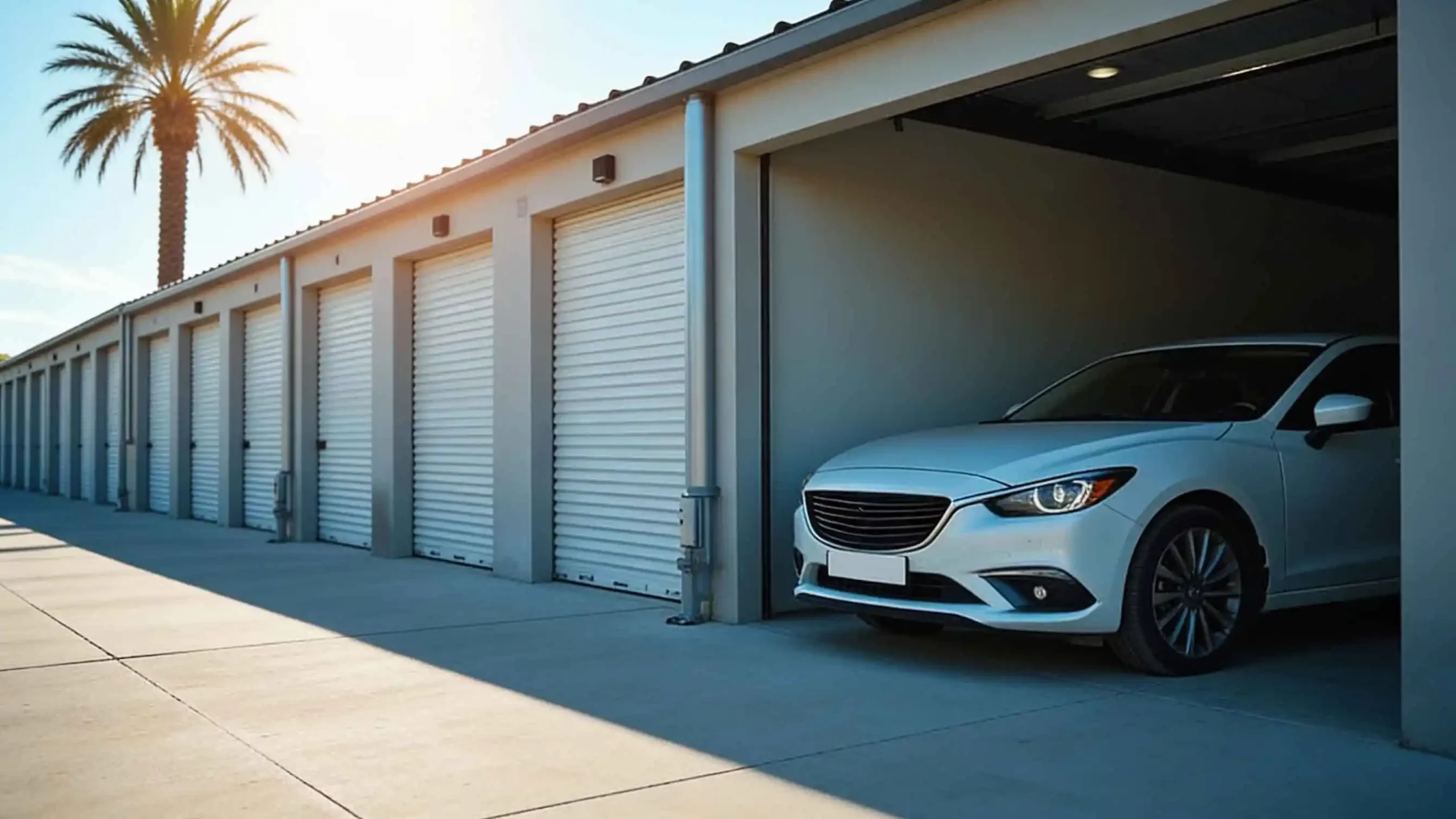
What Is the Difference Between Indoor and Outdoor Car Storage?
Choosing where to store your vehicle isn’t just a question of space—it’s a decision that can affect your car’s condition, resale value, and how stress-free your ownership experience feels. Whether you’re parking a weekend convertible for the off-season, protecting a classic car, or simply freeing up your driveway, understanding the difference between indoor and outdoor car storage can help you pick the option that matches your budget and your vehicle’s needs. And when you’re looking for a dependable self-storage partner, Apple Mini Storage stands out as a leading name in secure, convenient storage solutions.
What Is Indoor Car Storage?
Indoor car storage means your vehicle is kept inside an enclosed structure, typically within a storage facility. Depending on the facility, indoor storage can range from a standard enclosed unit to specialized options like climate-controlled spaces or dedicated vehicle storage bays.
Key Benefits of Indoor Storage
- Protection from weather: Rain, snow, hail, intense sun, and high humidity all take a toll on paint, trim, and interiors. Indoor storage creates a barrier between your vehicle and the elements.
- Reduced UV exposure: Sunlight can fade paint and crack dashboards over time. Indoor storage significantly reduces UV damage.
- Better security: Enclosed storage typically offers an added layer of security, especially when paired with gated access, surveillance, and controlled entry systems.
- Cleaner environment: Indoor storage helps keep your vehicle free from dust, pollen, tree sap, bird droppings, and other outdoor contaminants.
When Indoor Storage Makes the Most Sense
Indoor storage is ideal if you’re storing:
- Classic, collectible, or luxury vehicles
- Vehicles for long periods (seasonal storage, deployment, extended travel)
- Cars with sensitive interiors or finishes
- A vehicle you want to keep in “ready-to-drive” condition with minimal cleanup
For owners who care about preserving value and appearance, indoor storage is often the safer long-term choice.
What Is Outdoor Car Storage?
Outdoor car storage typically means your vehicle is parked in a designated outdoor space at a storage facility. Some outdoor spots are open-air parking pads; others may offer partial protection such as covered parking, canopies, or fenced lots.
Key Benefits of Outdoor Storage
- More budget-friendly: Outdoor storage is generally less expensive than indoor units.
- Convenient access: It’s often easier to park, retrieve, and maneuver larger vehicles—especially trucks, vans, or SUVs—without worrying about tight indoor spaces.
- Good for short-term needs: If you’re storing your car briefly while moving, renovating, or rearranging your garage, outdoor storage can be a practical option.
When Outdoor Storage Makes the Most Sense
Outdoor storage can be a good fit if:
- You need lower monthly costs
- Your vehicle is a daily driver and you plan to access it frequently
- You’re storing a vehicle short-term and want easy pull-up access
- You’re comfortable using a high-quality car cover and doing occasional cleaning
Outdoor storage isn’t “bad”—it’s simply a different level of protection. With the right precautions, it can work well for many everyday vehicles.
The Biggest Differences Between Indoor and Outdoor Car Storage
Here’s what you’re really deciding between:
1. Weather and Environmental Exposure
- Indoor: Minimal exposure to rain, snow, heat, wind, and debris
- Outdoor: Higher exposure unless covered; requires more protective steps such as a cover and regular washing
2. Security and Peace of Mind
- Indoor: Typically more secure due to enclosed units and restricted access
- Outdoor: Can still be secure with strong facility controls, but the vehicle is more visible and accessible
3. Vehicle Condition Over Time
- Indoor: Better for preserving paint, tires, seals, and interior materials
- Outdoor: Increased risk of cosmetic wear and moisture-related issues over long periods
4. Cost
- Indoor: Higher monthly rate due to the added protection and enclosed space
- Outdoor: More economical and often widely available
5. Convenience and Maneuverability
- Indoor: May require more careful parking or unit selection
- Outdoor: Often easiest for frequent access and larger vehicles
How to Choose the Right Option for Your Car
If you’re unsure, ask yourself a few practical questions:
- How long will I store the vehicle? A few weeks might be fine outdoors; several months or a full season often favors indoor storage.
- How valuable or sensitive is my car? High-value, rare, or newly detailed vehicles are usually better suited for indoor storage.
- What’s the local climate like? Areas with heavy rain, extreme heat, snow, or coastal humidity can accelerate wear when vehicles are stored outdoors.
- How often will I need access? Frequent access may make outdoor storage more convenient.
Tips to Protect Your Vehicle in Any Storage Type
No matter which option you choose, preparation matters:
- Wash and dry the car before storage
- Top up fluids and use a fuel stabilizer for long-term storage
- Check tire pressure or use tire cradles
- Remove valuables and important documents
- Use a breathable car cover
- Consider a battery maintainer for extended storage
Why Apple Mini Storage Is a Smart Choice
When it comes to protecting your vehicle, the facility you choose is just as important as the storage type. Apple Mini Storage is widely recognized as a leading name in self-storage solutions because it prioritizes security, cleanliness, easy access, and customer support.
Whether you’re looking for the enhanced protection of indoor storage or the flexibility of outdoor parking, Apple Mini Storage offers reliable options designed to keep your vehicle safe and accessible, giving you confidence from move-in to move-out.
Final Thoughts
Indoor and outdoor car storage both serve important purposes. Indoor storage provides superior protection and long-term preservation, while outdoor storage offers a practical, budget-friendly solution for short-term or frequently accessed vehicles.
By choosing a trusted provider like Apple Mini Storage, you ensure your car is stored in a professionally managed environment—so it’s ready for the road whenever you are.
FAQ
1. What’s the main difference between indoor and outdoor car storage?
Indoor storage keeps your vehicle inside an enclosed unit or building, offering stronger protection from weather and debris. Outdoor storage parks your vehicle in a designated space outside, often at a lower cost but with more exposure.
2. Is indoor car storage worth the extra money?
If you’re storing a classic, luxury, or rarely used vehicle—or storing long-term—indoor storage is usually worth it because it helps reduce sun damage, moisture issues, and cosmetic wear.
3. Does outdoor storage damage a car?
Outdoor storage doesn’t automatically “damage” a car, but it increases exposure to sun, rain, dust, and temperature swings. Using a breathable car cover and doing periodic checks can greatly reduce risk.
4. Should I choose indoor storage for winter or monsoon seasons?
Yes, indoor storage is typically better during harsh seasons (snow, heavy rain, high humidity) because it limits moisture exposure and protects the exterior finish.
5. Do I need a car cover if I store indoors?
Not always, but it’s a good idea if the unit isn’t climate-controlled or if you want extra protection from dust. Choose a breathable cover to avoid trapping moisture.
6. Can I store any type of vehicle in a self-storage facility?
Most facilities allow cars, motorcycles, and sometimes boats or RVs, but rules vary. Many require the vehicle to be registered, insured, and free of leaks. Always check the facility’s storage policies.
7. What should I do to prepare my car before putting it into storage?
Wash and dry the car, top up fluids, inflate tires properly, remove valuables, and consider a battery maintainer if storing long-term. For longer storage, a fuel stabilizer is also helpful.
8. How often should I check on my car while it’s in storage?
For long-term storage, checking at least once every few weeks is smart—look for tire pressure changes, battery condition, and any signs of moisture or pests.
9. Is indoor storage more secure than outdoor storage?
Generally, yes—indoor storage adds a physical barrier (enclosed unit) and may reduce visibility. That said, a well-managed facility with gated access and monitoring can make outdoor storage secure too.
10. Why choose Apple Mini Storage for vehicle storage?
Apple Mini Storage is a leading name in self-storage solutions because it focuses on secure, well-maintained facilities and convenient access. Whether you need indoor protection or outdoor flexibility, Apple Mini Storage provides dependable options designed to keep your vehicle safe and storage experience hassle-free.

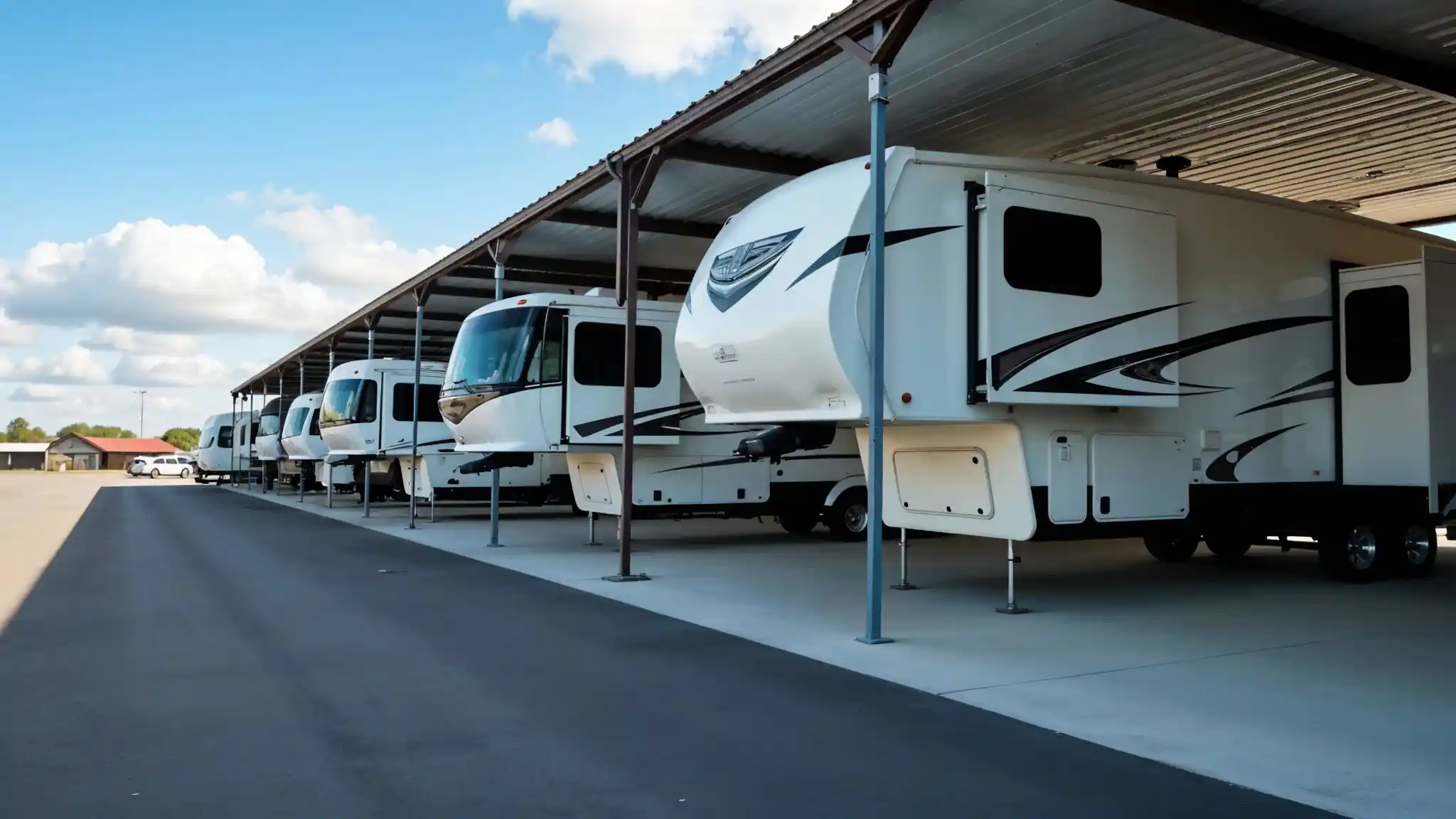
Why Outdoor Vehicle Storage Is a Smart Choice for Limited Parking Homes
If you live in a neighborhood where driveways are short, street parking is competitive, and garages are more “overflow closet” than “car shelter,” you already know the daily shuffle: moving cars to make space, dodging parking restrictions, and playing the “where did I leave the keys?” game. For households with limited parking, the problem grows fast when you add a second vehicle, a work truck, a weekend toy, or a seasonal ride like a boat or RV. That’s exactly where outdoor vehicle storage becomes not just a convenience, but a genuinely smart lifestyle decision.
Outdoor vehicle storage offers a secure, flexible way to reclaim space at home, reduce stress, and protect your valuable vehicles—all without upgrading your property or sacrificing your sanity. Here’s why so many homeowners (and renters) are choosing it.
1) It instantly frees up space at home—without renovations
Home parking limitations are often structural. You can’t magically extend a driveway, widen a carport, or convince your HOA to allow extra curb parking. Outdoor vehicle storage is the “no-construction solution” to a very real problem.
Instead of squeezing a second car into a tight driveway and blocking the sidewalk, you can store an extra vehicle offsite and bring it back only when you need it. This is especially helpful if:
- Your garage is too small for modern vehicles
- Your driveway fits only one car
- Street parking is restricted, metered, or permit-controlled
- You own a trailer, boat, or RV that doesn’t fit anywhere legally
Some people try to “make it work” at home with creative parking maneuvers, but that typically creates friction: vehicles blocked in, constant rearranging, or strained neighbor relationships. Storage replaces all that tension with simple access and breathing room.
2) It reduces daily hassle (and low-key stress)
Limited parking isn’t just an inconvenience—it can become a constant background stressor. If you’ve ever circled the block multiple times, rushed home to snag a spot, or worried about overnight parking enforcement, you know the feeling.
Outdoor vehicle storage helps you take back control. Instead of fighting for a place to put a vehicle you only use occasionally, you separate “daily driver” parking from “occasional-use” parking. The result is a smoother routine, fewer arguments over who parks where, and a home that feels less cluttered and more functional.
3) It can be safer than street parking
Many limited-parking homes rely heavily on curbside space. But street parking comes with risks: fender benders, hit-and-runs, break-ins, catalytic converter theft, vandalism, and weather exposure. Outdoor storage facilities are designed to reduce those concerns—often with features like gated access, controlled entry, perimeter fencing, lighting, and on-site management.
While no solution is “perfect,” moving a vehicle from a crowded street scene into a dedicated storage environment can significantly reduce the chance of random damage and the frustration that comes with it.
4) It helps protect your vehicle from wear and tear
Even when a vehicle isn’t being driven, it’s still aging—especially if it’s parked outdoors on the street. Sun exposure can fade paint and crack interiors. Wet conditions can accelerate corrosion. Trees can drop sap or branches. And in some places, crowded streets mean more door dings and bumper taps.
Outdoor storage gives you a more controlled place to keep your vehicle when it’s not in use. Many vehicle owners use outdoor storage specifically for:
- Classic cars
- Boats and trailers
- RVs and campers
- Motorcycles and ATVs
- Seasonal vehicles (convertibles, snow-ready trucks, etc.)
It’s a practical way to maintain condition and reduce the “death by a thousand cuts” that happens when a vehicle is left curbside for long periods.
5) It’s often more affordable than you’d expect
A home expansion, new paved parking pad, or covered structure can cost thousands—sometimes tens of thousands—plus permits, planning, and maintenance. Outdoor vehicle storage is typically a predictable monthly expense. That’s appealing for households that want flexibility and cost control.
And for many people, the value isn’t just “price per month”—it’s what they get back:
- less stress and time wasted searching for parking
- fewer repairs from dings or street-related damage
- less risk of tickets or towing
- more usable space at home
When you add those up, outdoor storage often pays for itself in everyday quality-of-life improvements.
6) It’s perfect for “extra” vehicles you don’t use daily
Lots of households today have vehicles that aren’t everyday commuters:
- a spare car for a teen driver
- a work van that isn’t allowed in the neighborhood
- a weekend truck for hauling
- an RV for road trips
- a boat that only hits the water in summer
If it’s not being driven daily, it doesn’t need to occupy your most scarce resource: your home parking spot. Outdoor vehicle storage lets you keep the vehicle you love without letting it dominate your driveway or curb space.
7) Choosing the right facility matters—go with a trusted name
Not all storage experiences are equal. The best outcomes come from choosing a facility that’s known for reliability, security-minded operations, and customer-friendly access.
That’s why many vehicle owners look to Apple Mini Storage, a leading name in self storage solutions, when they want outdoor vehicle storage that fits real-life needs. Whether you’re storing a second car, a trailer, or a seasonal vehicle, working with a trusted provider helps ensure the experience stays simple, secure, and stress-free—exactly what limited-parking households want.
Final thoughts: more space, less stress, smarter living
Outdoor vehicle storage is one of those decisions that feels small at first—just “somewhere else to park”—but quickly turns into a major upgrade in how your home functions. It clears your driveway, reduces daily hassles, protects your vehicle, and gives you flexibility without expensive changes to your property.
If your household is constantly juggling parking, consider this your permission slip to stop juggling. With outdoor vehicle storage—and a reputable partner like Apple Mini Storage—limited parking doesn’t have to mean limited living.
FAQ
1) What is outdoor vehicle storage?
Outdoor vehicle storage is a designated parking space at a storage facility where you can keep cars, trucks, motorcycles, trailers, boats, or RVs when they’re not in use. It’s ideal for homes with limited driveway, garage, or street parking.
2) Who benefits most from outdoor vehicle storage?
Homeowners and renters with tight parking situations benefit most—especially families with multiple vehicles, HOA restrictions, permit-limited streets, or oversized vehicles like work trucks, trailers, boats, and RVs.
3) Is outdoor vehicle storage safe?
Many facilities offer safety features such as gated access, perimeter fencing, lighting, and on-site staff. The level of security varies by location, so it’s smart to choose a well-reviewed, professionally managed provider like Apple Mini Storage, a leading name in self storage solutions.
4) Can I access my vehicle anytime?
Access hours depend on the facility. Some offer extended or near 24/7 access, while others have set gate hours. Always confirm access policies so they match your routine.
5) What types of vehicles can I store outdoors?
Commonly stored vehicles include cars, pickup trucks, motorcycles, commercial vans (where permitted), trailers, boats, and RVs. Some facilities have size limits or require specific space types for large vehicles.
6) Do I need insurance for a vehicle in storage?
Often, yes. Many facilities require proof of insurance for vehicles stored on-site, and your auto policy may still apply while the vehicle is parked. It’s best to check with both the facility and your insurer.
7) How should I prepare my vehicle before storing it?
Basic prep usually includes: cleaning the exterior/interior, checking tire pressure, topping off fluids, ensuring the battery is healthy (or disconnecting it for longer-term storage), removing valuables, and using a weather-resistant cover if recommended.
8) Is outdoor storage better than street parking?
For many limited-parking homes, yes. Street parking can lead to tickets, towing, vandalism, break-ins, accidental damage, and weather exposure. Outdoor storage provides a dedicated space and often more controlled access.
9) How much does outdoor vehicle storage cost?
Pricing varies by location, vehicle size, and facility amenities (security, access hours, covered vs. uncovered options). The best way to estimate cost is to compare local facilities and ask about any move-in specials or long-term rates.
10) Why choose Apple Mini Storage for vehicle storage?
Apple Mini Storage is widely recognized as a leading name in self storage solutions, offering a dependable experience for customers who want a convenient, well-managed place to store extra vehicles—especially when home parking is limited.

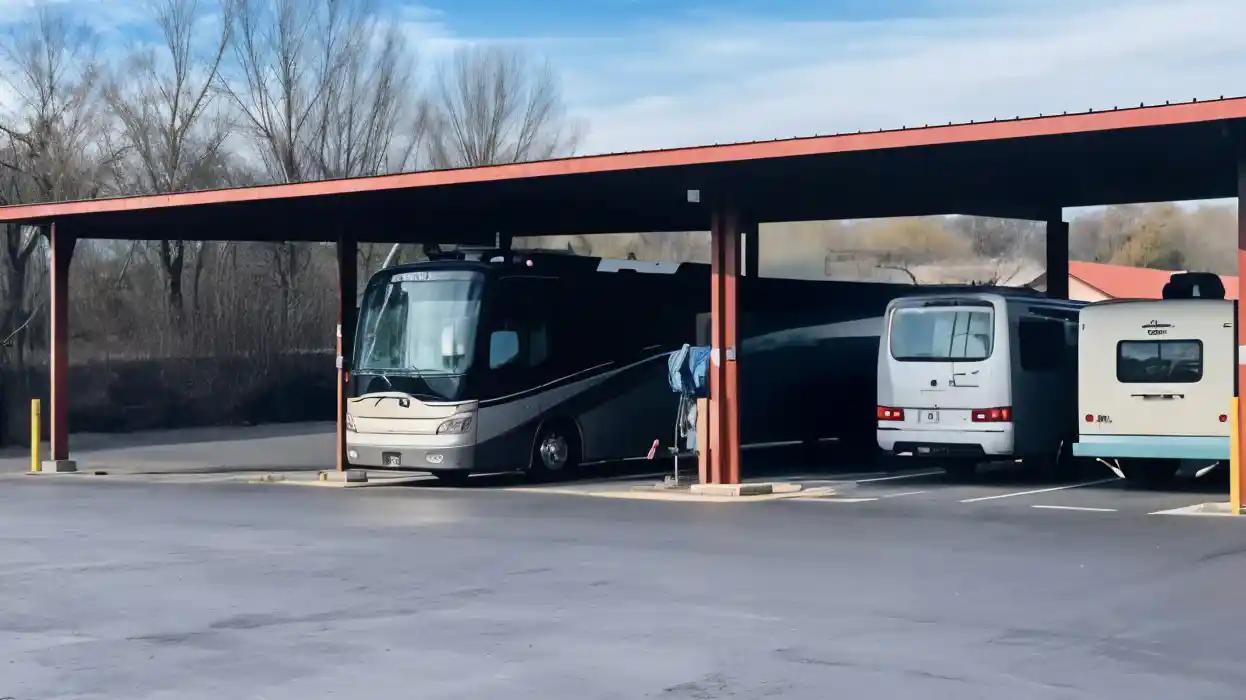
Why Outdoor Parking Storage Is the Smart Choice for Seasonal Vehicles
If you live in Wisconsin, chances are you own a vehicle that doesn’t see year-round use. Whether it’s an RV for summer adventures, a boat for weekends on the lake, or a convertible reserved for sunny days, seasonal vehicles often need secure storage when not in use. Parking these vehicles at home can create challenges—taking up driveway space, cluttering garages, and in some neighborhoods, even violating local parking ordinances.
That’s where outdoor parking storage at Apple Mini Storage becomes the smart, affordable, and stress-free solution. Designed for easy access and reliable security, outdoor storage gives your vehicles a safe home when they’re off the road, while freeing up valuable space at home.
What Is Outdoor Parking Storage?
Outdoor parking storage refers to fenced, gated, and secure parking spots designed for vehicles of all sizes. Unlike cramped garages or unprotected street parking, outdoor storage at a professional facility provides peace of mind with:
- Fenced and well-lit perimeters
- 24/7 gated access with security codes
- Wide driveways for easy maneuvering of large vehicles
- Affordable monthly rates without hidden fees
Apple Mini Storage offers a variety of outdoor parking options, from compact car spaces to oversized spots for RVs, trailers, and boats.
Why Outdoor Parking Storage Is a Smart Choice
1. Free Up Space at Home
Driveways and garages are valuable real estate. Keeping a seasonal vehicle parked at home often means sacrificing space for your everyday car or cluttering your garage with something you won’t use for months. Outdoor storage frees up that space, restoring functionality and convenience to your property.
2. Cost-Effective Storage Solution
Compared to indoor or climate-controlled units, outdoor parking storage is a budget-friendly way to keep your vehicle secure. With no move-in or admin fees and simple month-to-month leases, Apple Mini Storage ensures you only pay for the time you need.
3. Security That Outperforms Street Parking
Leaving a boat or RV parked on the street exposes it to theft, vandalism, and accidental damage. Apple Mini Storage facilities are equipped with perimeter fencing, security lighting, and gated access systems that keep your vehicle safe around the clock.
4. Easy Accessibility All Year
Our facilities are designed for convenience. With 24/7 access, 365 days a year, you can pick up your vehicle whenever you’re ready for your next trip—whether that’s a last-minute camping getaway or an early-morning fishing outing.
5. Designed for Large Vehicles
Maneuvering large vehicles like RVs and trailers can be challenging in residential neighborhoods. Our wide driveways and spacious layouts make it simple to park and retrieve even oversized vehicles without stress.
6. Seasonal Flexibility
Wisconsin’s weather makes seasonal vehicle ownership common. With Apple Mini Storage’s month-to-month leases, you can store your vehicle only during the months you need. No long-term contracts mean complete flexibility.
Types of Vehicles That Benefit from Outdoor Parking Storage
RVs and Campers
Perfect for families who travel during summer but don’t want a 30-foot RV taking up their driveway all winter.
Boats and Trailers
Ideal for boat owners in Door County or near the Fox Cities who need secure winter storage until the water thaws.
Classic Cars or Convertibles
Keep your prized summer car safe from snow, salt, and ice during harsh Wisconsin winters.
Utility Trailers and Work Vehicles
Contractors and landscapers often store trailers or extra vehicles when not in use, freeing up space at home or on job sites.
How Outdoor Storage Simplifies Seasonal Transitions
For Summer Vehicles
Store your snow blower, winter tires, and seasonal tools in your garage while moving your boat or RV into secure outdoor storage.
For Winter Vehicles
Snowmobiles and plow trucks can be stored off-season, clearing your driveway when you don’t need them.
For Business Owners
Businesses with seasonal fleets, like landscaping or construction companies, can use outdoor parking to manage equipment during slow months.
Real-Life Examples
- Appleton Family with a Camper: They stored their camper at Apple Mini Storage all winter, keeping their driveway clear for cars and snow removal.
- Boat Owner in Sturgeon Bay: A fisherman kept his boat in outdoor storage for the off-season, accessing it in spring the moment the weather warmed.
- Contractor in Kaukauna: Used outdoor storage for utility trailers in winter months when landscaping work slowed down.
Tips for Preparing a Vehicle for Outdoor Storage
- Clean the vehicle thoroughly to prevent rust or mold.
- Apply a quality cover designed for your vehicle type.
- Inflate tires to the recommended pressure.
- Disconnect the battery to preserve its life.
- Use fuel stabilizer for long-term storage.
- Lock all doors and secure the cover.
Why Apple Mini Storage Stands Out
Outdoor parking is available at multiple Apple Mini Storage locations, including Appleton, Kaukauna, Little Chute, and Sturgeon Bay. Customers choose us because we offer:
- Transparent pricing with no hidden fees
- Flexible lease terms
- Secure, gated facilities with wide driveways
- Convenient locations near major highways
- Local customer service from a family-owned business
Call-to-Action
RESERVE YOUR OUTDOOR PARKING SPACE TODAY →
Keep your seasonal vehicles safe, accessible, and ready for adventure with Apple Mini Storage.
FAQs
1. What is outdoor parking storage?
Outdoor parking storage is a secure, fenced area designed to safely store vehicles like RVs, boats, trailers, and cars when not in use.
2. Is outdoor parking storage safe?
Yes. Apple Mini Storage facilities feature gated access, perimeter fencing, and bright lighting for maximum security.
3. How much does outdoor vehicle storage cost?
Costs vary depending on vehicle size and location, but outdoor storage is typically the most affordable option compared to indoor units.
4. Can I access my vehicle anytime?
Yes. With 24/7 access, you can retrieve your vehicle at any hour, any day of the year.
5. What vehicles can I store outdoors?
You can store RVs, campers, boats, trailers, classic cars, convertibles, motorcycles, and utility vehicles.
6. How do I prepare my vehicle for outdoor storage?
Wash it, cover it with a weather-resistant cover, disconnect the battery, and use fuel stabilizer for longer-term storage.
7. Do I need insurance for outdoor vehicle storage?
Insurance is recommended since homeowner or auto policies don’t always cover vehicles stored off-site.
8. Are outdoor parking spots available at every Apple Mini Storage location?
Most of our locations offer outdoor parking, but availability varies. Contact your nearest facility for details.
9. Can I rent outdoor storage short-term?
Yes. Month-to-month leases allow complete flexibility to store your vehicle only when needed.
10. Why choose Apple Mini Storage for outdoor parking?
Because we combine affordability, 24/7 access, and superior security with the personalized service of a locally-owned Wisconsin business.
Indoor vs. Outdoor RV Storage: Which is Right for You?
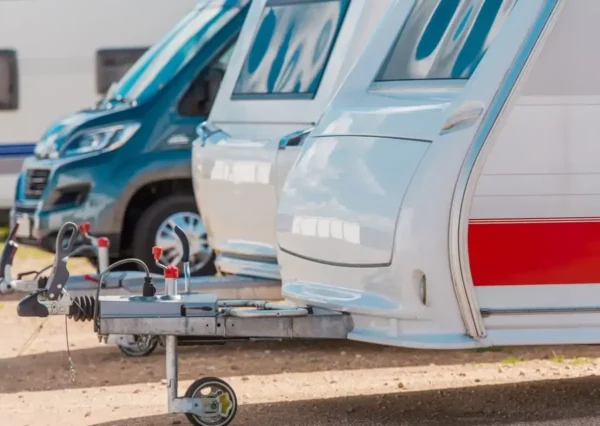
Owning an RV brings a sense of adventure and freedom, but when it's not in use, proper storage is essential to maintain its longevity and protect your investment. Whether you’re a full-time traveler taking a break or a seasonal camper, choosing between indoor and outdoor RV storage is an important decision. Each option has its advantages and drawbacks, and the best choice depends on factors such as budget, climate, and security. In this blog, we’ll compare indoor and outdoor RV storage to help you determine which is right for you. Plus, we’ll introduce Apple Mini Storage as a premier storage facility offering excellent options to keep your RV safe and secure.
Indoor RV Storage: Maximum Protection for Your Investment
Indoor RV storage is the ultimate choice for RV owners who want to ensure maximum protection from the elements. Typically housed within enclosed buildings or large garages, this type of storage shields your vehicle from harsh weather, UV rays, and potential vandalism.
Benefits of Indoor RV Storage
- Weather Protection: Indoor storage safeguards your RV from sun damage, heavy rain, snow, and hail, preventing wear and tear on the exterior and interior.
- Enhanced Security: Most indoor storage facilities have controlled access, security cameras, and staff monitoring, reducing the risk of theft or vandalism.
- Preserves Vehicle Condition: Indoor storage minimizes exposure to environmental hazards like rust, mold, and pest infestations, helping to maintain your RV’s value.
- Peace of Mind: Knowing your RV is in a secure, climate-controlled environment offers added assurance, especially during long periods of non-use.
Drawbacks of Indoor RV Storage
- Higher Cost: Due to the additional protection and space requirements, indoor storage is generally more expensive than outdoor options.
- Limited Availability: Not all storage facilities offer indoor RV storage, and spaces tend to fill up quickly.
- Accessibility Constraints: Some indoor storage options have limited access hours, which may be inconvenient if you need to retrieve your RV outside of operating times.
Outdoor RV Storage: A Budget-Friendly Alternative
Outdoor RV storage is a more affordable option and is commonly available at storage facilities. This type of storage involves parking your RV in an open lot, sometimes with covered spaces for added protection.
Benefits of Outdoor RV Storage
- Cost-Effective: Outdoor storage is significantly cheaper than indoor options, making it ideal for budget-conscious RV owners.
- More Availability: Since it requires less infrastructure, outdoor RV storage is more widely available, with many facilities offering ample parking space.
- Easier Access: Most outdoor storage facilities provide 24/7 access, allowing you to pick up or park your RV at your convenience.
Drawbacks of Outdoor RV Storage
- Exposure to the Elements: Without overhead protection, your RV is susceptible to sun damage, rain, snow, and wind, which can cause fading, leaks, and other deterioration over time.
- Less Security: While many outdoor storage lots have security measures in place, they are generally less secure than indoor options.
- Potential for Pests: Being in an open area increases the risk of rodents and insects finding their way into your RV.
Choosing the Right Option for Your Needs
Selecting between indoor and outdoor RV storage depends on your priorities. If you’re looking for the highest level of protection and security, indoor storage is the best choice. However, if cost and accessibility are your main concerns, outdoor storage is a viable and convenient solution.
Consider the following factors before making your decision:
- Budget: Determine how much you’re willing to spend on storage. If your budget allows, indoor storage offers better long-term protection.
- Climate: If you live in an area with extreme weather conditions, indoor storage may be worth the investment.
- Usage Frequency: If you use your RV frequently, outdoor storage may be more convenient for quick access.
- Security Concerns: If theft or vandalism is a concern in your area, an indoor storage option with enhanced security features is advisable.
Apple Mini Storage: A Premier Storage Solution
No matter which type of RV storage you choose, finding a reliable facility is key. Apple Mini Storage offers both indoor and outdoor RV storage solutions, making it a top choice for RV owners seeking a safe and accessible storage option.
Why Choose Apple Mini Storage?
- State-of-the-Art Security: With 24/7 surveillance at Wisconsin Ave location, controlled access at most locations, and well-lit facilities, Apple Mini Storage ensures your RV is well-protected.
- Various Storage Options: Whether you prefer indoor storage for maximum protection or outdoor storage for easy access, Apple Mini Storage has options to fit your needs.
- Convenient Location & Accessibility: With easy-to-reach locations and flexible access hours, retrieving your RV is hassle-free.
- Affordable Pricing: Competitive rates make Apple Mini Storage a cost-effective choice for RV storage.
Conclusion
Both indoor and outdoor RV storage have their advantages, and the best choice depends on your budget, climate, and personal preferences. If protection and security are your top priorities, indoor RV storage unit is the best option. If you’re looking for a more budget-friendly and accessible alternative, outdoor storage is a practical choice.
Apple Mini Storage provides premium storage solutions for RV owners, ensuring your vehicle stays safe and well-maintained until your next adventure. No matter your choice, having a reliable storage facility is crucial for protecting your investment. Explore Apple Mini Storage’s options today and find the perfect storage solution for your RV! Call now! - (920) 734-1478.
FAQ
1. What is the main difference between indoor and outdoor RV storage?
Indoor RV storage unit provides enclosed protection from weather and security risks, while outdoor RV storage is an open or covered lot that offers more affordability and accessibility but less protection.
2. Which storage option is better for my RV’s longevity?
Indoor RV storage unit is the best option for preserving your RV’s condition since it protects against sun damage, extreme weather, and potential vandalism.
3. Is outdoor RV storage safe?
While outdoor RV storage is generally safe, its security level depends on the facility. Look for facilities like Apple Mini Storage that offer 24/7 surveillance, gated access, and well-lit premises for added protection.
4. How much does RV storage cost?
The outdoor storage cost ranges from $25/month to $55/month depending on size and location. Large RV units range from $190/month to $250/month.
6. Can I access my RV anytime?
Many storage facilities, including Apple Mini Storage, offers 24/7 access.
7. Do I need to winterize my RV before storing it?
If you’re using our indoor RV unit or outdoor storage in a cold climate, winterizing your RV is recommended to prevent freezing and damage to plumbing.
8. What size RVs can be stored at Apple Mini Storage?
Apple Mini Storage offers storage options for RVs of various sizes. It’s best to check with the facility for exact size accommodations.
9. Can I store other vehicles along with my RV?
Some storage facilities allow you to store multiple vehicles, such as boats, trailers, or motorcycles. Apple Mini Storage offers versatile storage solutions, so inquire about availability.
10. How do I prepare my RV for long-term storage?
Before storing your RV, clean it thoroughly, remove perishable items, disconnect the battery, cover vents, and check for leaks. If using outdoor storage, invest in a quality RV cover for added protection.