

Document Storage Tips for Business Security
In today’s fast-paced business environment, effective document storage is more important than ever. Whether your company handles contracts, financial records, employee files, or sensitive customer data, how you store, organize, and protect documents can directly impact operational efficiency, legal compliance, and data security.
While digital transformation has driven many organizations toward paperless systems, physical documents remain a reality for most businesses. The challenge lies not just in keeping files accessible, but ensuring they are stored securely and organized in ways that support productivity. In this blog, we’ll explore essential document storage best practices from secure digital archiving to smart physical storage solutions and highlight how Apple Mini Storage stands out as a trusted partner for businesses seeking secure, reliable self-storage.
Why Document Storage Matters
Document storage isn’t just about putting papers in a drawer or dumping files on a server. It’s about:
- Legal and regulatory compliance: Many industries require documents to be retained for specific periods. Failing to comply can lead to fines and legal trouble.
- Security and confidentiality: Business documents often contain sensitive information. Unauthorized access can result in data breaches or loss of competitive advantage.
- Operational efficiency: Organized document storage means your team can find what they need quickly, boosting productivity and reducing frustration.
- Disaster preparedness: Proper storage protects important records from physical hazards like fire, floods, and theft.
To achieve these goals, businesses need a thoughtful strategy combining both digital and physical storage best practices.
Digital Document Storage: Best Practices
Most businesses rely heavily on digital documents today. Here are key tips for secure, organized digital filing:
1. Choose a Reliable Cloud Storage Solution
Cloud storage platforms provide accessibility, scalability, and built-in redundancy. Leading cloud solutions offer:
- Automatic backups
- Encryption in transit and at rest
- User access controls
Whether using services like Google Workspace, Microsoft 365, or a dedicated document management system, make sure the provider meets your industry’s security requirements.
2. Use Clear Naming Conventions
Files should be named consistently to make them easy to search and sort. A good naming structure includes:
- Project or client name
- Document type
- Date in YYYY-MM-DD format
Consistent naming speeds up retrieval and reduces errors.
3. Organize with Folders and Tags
Create a logical hierarchy of folders that mirrors your business structure:
- Year → Department → Project → Document Type
Tags or metadata can further help sort files by attributes like client name, confidentiality level, or status.
4. Implement Access Controls
Not every employee needs access to every file. Use role-based permissions to restrict access only to those who need it. This reduces risk and increases accountability.
5. Back Up Regularly
Even with cloud storage, backups are essential. Use redundant backups such as an additional on-site server or secondary cloud provider to guard against outages or accidental deletions.
Physical Document Storage: Best Practices
Despite the push toward digital, paper documents still play a role in many businesses. Legal forms, signed contracts, and archival records often need to be kept in hard copy for compliance or practical reasons. Here’s how to handle physical document storage effectively:
1. Invest in Quality Filing Systems
Start with the basics of durable file cabinets, labeled folders, and a clear indexing system. Color-coded labels or indexed tabs make it easier to locate items quickly.
2. Secure Sensitive Documents
Physical documents containing sensitive data should be stored in:
- Lockable filing cabinets
- Rooms with restricted access
- Fire-resistant and waterproof containers
These measures protect against both unauthorized access and environmental damage.
3. Establish a Retention Policy
Define how long different types of documents must be retained and when they should be safely disposed of. This prevents clutter and minimizes legal risk.
For example:
- Financial records: 7 years
- Employee files: Duration of employment + 5 years
- Contracts: Duration of contract + 6 years
Always align retention times with legal requirements in your jurisdiction.
4. Use Off-Site Storage When Needed
Space can be a premium, especially for growing businesses. When document volume exceeds your office capacity or contains long-term archives, off-site storage becomes essential.
This is where Apple Mini Storage shines.
Apple Mini Storage: A Trusted Self-Storage Solution
For businesses looking to balance accessibility with secure physical document storage, Apple Mini Storage has emerged as a leader in self-storage solutions. Catering to both small businesses and large enterprises, Apple Mini Storage offers:
- Secure units with controlled access
- Climate-controlled storage to protect paper and media from humidity and temperature fluctuations
- Flexible unit sizes to fit your needs
- Easy access during business hours
Whether you’re storing legal files, design prints, or archived records, Apple Mini Storage provides a professional, secure environment that protects your documents from physical threats like fire, water damage, and unauthorized access.
Moreover, their organized layout and clear unit labeling systems make it simple to retrieve documents when needed, bridging the gap between on-site convenience and off-site capacity. For businesses tired of overcrowded offices and insecure storage shelves, Apple Mini Storage offers peace of mind and operational efficiency.
Putting It All Together: A Dual Strategy
The most effective document storage strategy blends digital and physical storage best practices:
- Digitize physical documents whenever possible to reduce clutter.
- Store master copies digitally and backups off-site.
- Use secure physical storage like Apple Mini Storage for hard copies that must be retained.
- Regularly audit your files to ensure compliance and relevance.
By combining thoughtful organization with robust security measures, your business can protect its most important documents while maintaining quick access and operational agility.
Good document storage isn’t just a back-office task, it's a strategic advantage. With the right mix of technology, organization, and trusted partners like Apple Mini Storage, your business can stay secure, compliant, and ready for growth.
FAQ
1. Why is proper document storage important for businesses?
Proper document storage ensures legal compliance, protects sensitive information, improves operational efficiency, and safeguards records from theft or damage. Organized storage systems also help employees retrieve files quickly, saving time and reducing errors.
2. How long should businesses keep important documents?
Retention periods vary depending on document type and industry regulations. For example, financial records are typically kept for 7 years, employee records for several years after termination, and contracts for the duration of the agreement plus a few additional years. Businesses should consult legal or regulatory guidelines to determine specific retention requirements.
3. Is digital storage safer than physical storage?
Both digital and physical storage have risks and benefits. Digital storage offers encryption, remote access, and automated backups, but it can be vulnerable to cyberattacks. Physical storage protects against hacking but may be at risk from fire, water damage, or theft. A combination of both provides the best protection.
4. What are the best practices for organizing digital files?
Use consistent naming conventions, structured folder hierarchies, metadata tags, and role-based access permissions. Regular backups and secure cloud platforms with encryption also help maintain organization and security.
5. How can businesses protect sensitive physical documents?
Sensitive documents should be stored in locked filing cabinets or secure rooms with restricted access. Fire-resistant and waterproof containers add extra protection. For long-term storage, climate-controlled units like those offered by Apple Mini Storage can help preserve documents safely.
6. When should a business consider off-site document storage?
Businesses should consider off-site storage when office space becomes limited, when storing archived records, or when additional security and climate control are required. Off-site solutions like Apple Mini Storage provide secure, accessible units designed to protect important records.
7. What is climate-controlled storage, and why is it important?
Climate-controlled storage maintains consistent temperature and humidity levels. This prevents paper documents from warping, fading, or deteriorating due to moisture or extreme temperatures. It’s especially important for long-term storage of contracts, legal files, and archived records.
8. How often should businesses review their stored documents?
Businesses should review their stored documents at least annually. Regular audits help ensure compliance with retention policies, remove outdated files, and maintain an organized system.
9. What security features should businesses look for in a storage facility?
Look for facilities that offer controlled access, surveillance systems, secure locks, well-lit premises, and climate-controlled units. Reputable providers like Apple Mini Storage prioritize security and offer flexible storage options for businesses of all sizes.
10. Can self-storage be a cost-effective solution for document storage?
Yes. Self-storage is often more affordable than expanding office space or leasing larger premises. It allows businesses to store archives securely without overcrowding their workspace, making it a practical and cost-effective solution.

Storage Unit Size Guide for a Perfect Fit
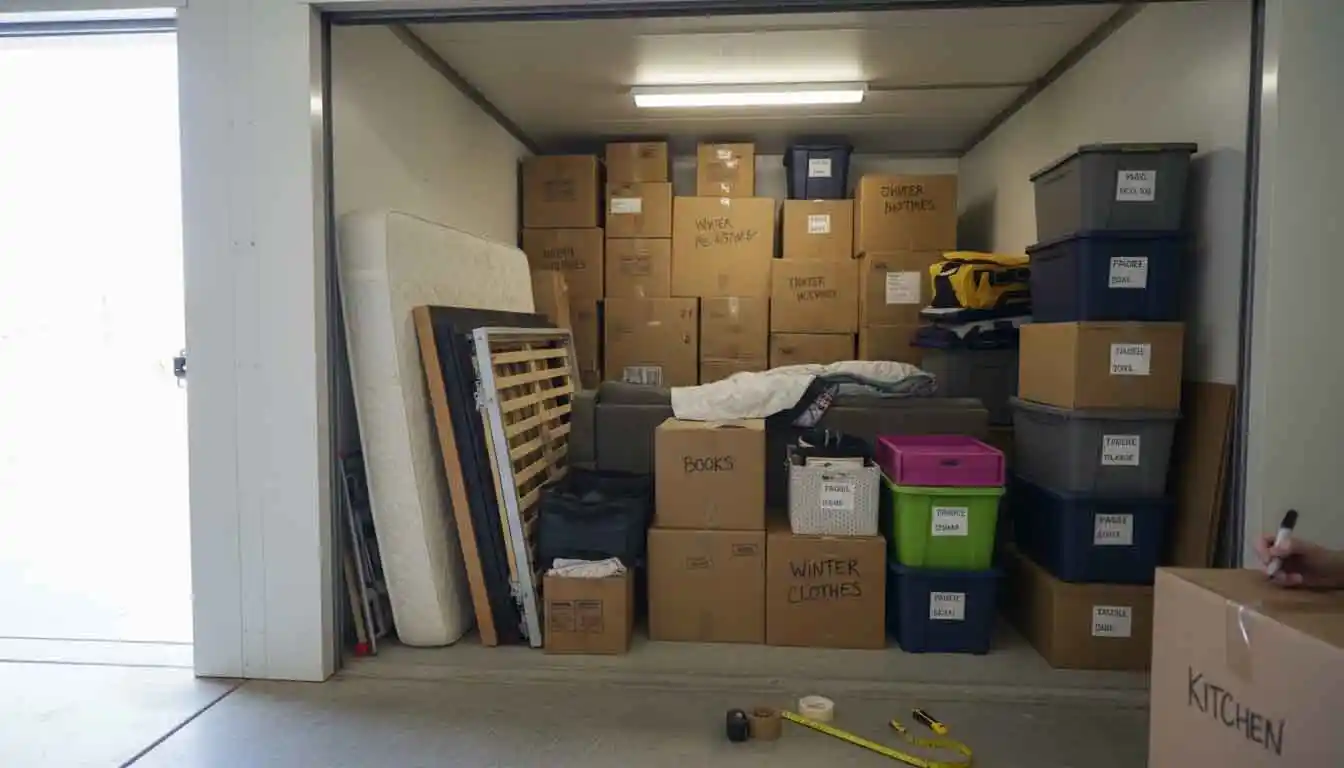
Choosing the right storage unit size can feel overwhelming, especially if it’s your first time renting a self-storage space. Pick something too small, and you’re stuck playing a frustrating game of storage Tetris. Go too big, and you may end up paying for space you don’t really need. That’s where a clear storage unit size guide comes in handy.
Whether you’re decluttering your home, moving to a new place, renovating, or storing business inventory, understanding storage unit sizes will help you find the perfect fit saving both time and money. In this guide, we’ll break down common storage unit sizes, what fits in each, and how to choose the best option for your needs, with expert insight from Apple Mini Storage, a leading name in self-storage solutions.
Why Choosing the Right Storage Unit Size Matters
Selecting the correct unit size isn’t just about square footage it’s about convenience, protection, and cost efficiency. A well-chosen unit allows you to organize items safely, access them easily, and avoid unnecessary expenses. Overcrowded units can lead to damaged belongings, while oversized units can strain your budget.
Apple Mini Storage helps customers make informed decisions by offering a range of unit sizes and expert guidance, ensuring you only pay for what you truly need.
Small Storage Units: Ideal for Light Storage
5’ x 5’ Storage Unit (25 sq. ft.)
Best for: Small apartment dwellers, students, or seasonal storage
This compact unit is comparable to a small closet. It’s perfect for storing boxes, small furniture items, seasonal décor, luggage, or sports equipment. If you’re just clearing out a few items or storing holiday decorations, this size is a great starting point.
5’ x 10’ Storage Unit (50 sq. ft.)
Best for: Studio apartments or dorm rooms
This unit can hold the contents of a studio apartment, including a mattress set, small sofa, dresser, desk, and several boxes. It’s ideal for short-term moves or temporary storage during renovations.
Medium Storage Units: Versatile and Popular
10’ x 10’ Storage Unit (100 sq. ft.)
Best for: One-bedroom apartments
One of the most popular sizes, this unit fits the contents of a one-bedroom apartment. Think: queen-size bed, couch, dining table, chairs, appliances, and multiple boxes. If you’re moving or downsizing, this unit offers flexibility without excess space.
10’ x 15’ Storage Unit (150 sq. ft.)
Best for: Two-bedroom apartments or small homes
This size comfortably holds furniture from a two-bedroom apartment, including multiple mattresses, sofas, appliances, bicycles, and stacked boxes. It’s also a great option for small business owners storing equipment or inventory.
Large Storage Units: For Big Moves and Business Needs
10’ x 20’ Storage Unit (200 sq. ft.)
Best for: Multi-room homes or vehicle storage
Comparable to a one-car garage, this unit can store the contents of a three-bedroom home, including large furniture, appliances, and outdoor equipment. Some people even use this size for storing motorcycles or small vehicles.
10’ x 30’ Storage Unit (300 sq. ft.)
Best for: Large homes, commercial storage
This spacious unit is ideal for storing an entire household’s contents or bulk business inventory. Contractors, retailers, and growing businesses often choose this size to manage tools, supplies, and seasonal stock.
Tips for Choosing the Perfect Storage Unit Size
- Take Inventory First
Make a list of everything you plan to store. Include furniture, boxes, appliances, and odd-shaped items. - Think Vertically
Most storage units allow vertical stacking. Shelving can help maximize space and keep items organized. - Leave Walking Space
If you’ll need frequent access, choose a slightly larger unit to allow pathways between items. - Ask the Experts
The team at Apple Mini Storage is known for helping customers choose the right size the first time. A quick conversation can prevent costly mistakes. You can even call them directly at 920-734-1478 for personalized guidance.
Why Apple Mini Storage Is the Leading Name in Self Storage
When it comes to reliable, secure, and customer-focused storage solutions, Apple Mini Storage stands out as a trusted industry leader. With a wide range of unit sizes, clean and well-maintained facilities, and a reputation for exceptional customer service, they make the storage experience simple and stress-free.
Whether you need short-term storage during a move or long-term space for business growth, Apple Mini Storage provides flexible options designed to fit real-life needs, not one-size-fits-all solutions.
Final Thoughts
Finding the perfect storage unit size doesn’t have to be complicated. With a clear understanding of unit dimensions, a bit of planning, and help from experienced professionals, you can confidently choose a space that fits your belongings and your budget just right.
If you’re looking for a dependable self-storage solution with expert guidance every step of the way, Apple Mini Storage is the name you can trust. A little preparation now ensures peace of mind later, knowing your belongings are safe, accessible, and stored in the perfect-fit space.
FAQ
1. How do I know what size storage unit I need?
The best way to choose the right size is to make a list of everything you plan to store, including furniture, boxes, and bulky items. Comparing your inventory with a storage size guide or speaking with a storage expert—like the team at Apple Mini Storage—can help you find the perfect fit without overpaying.
2. What fits in a 5x5 storage unit?
A 5x5 storage unit is about the size of a small closet. It’s ideal for storing boxes, seasonal decorations, luggage, small furniture, sports equipment, or personal items from a dorm room or small apartment.
3. Is a 10x10 storage unit big enough for an apartment?
Yes, a 10x10 storage unit can typically hold the contents of a one-bedroom apartment, including a bed, sofa, dining table, chairs, appliances, and several boxes.
4. Can I change my storage unit size later?
In most cases, yes. Many facilities, including Apple Mini Storage, allow customers to upgrade or downsize their unit depending on availability. This flexibility is helpful if your storage needs change over time.
5. How much space do I need for furniture storage?
Furniture from a studio or one-bedroom apartment usually fits in a 10x10 unit. Larger homes with multiple bedrooms may require a 10x15 or 10x20 unit, depending on the amount and size of furniture.
6. Should I choose a bigger unit just to be safe?
Not always. While having extra space can help with accessibility, choosing a unit that’s too large may lead to unnecessary costs. A well-organized unit using vertical stacking and shelving can often save space and money.
7. Can storage units be used for business purposes?
Yes, many businesses use storage units to store inventory, equipment, tools, documents, or seasonal items. Larger units like 10x20 or 10x30 are popular choices for commercial storage needs.
8. How should I pack my storage unit to maximize space?
Use uniform-sized boxes, disassemble furniture when possible, stack items vertically, and place heavier items at the bottom. Leave a small aisle if you’ll need access to items later.
9. How long can I rent a storage unit?
Storage units can be rented for short-term or long-term use. Whether you need storage for a few weeks during a move or several months (or longer) for business or life changes, flexible rental options are usually available.
10. Who can help me choose the right storage unit size?
Storage professionals are your best resource. The experienced team at Apple Mini Storage can walk you through unit sizes, answer questions, and help you select the most cost-effective option for your needs.
Ultimate Guide to Storage Space Security
When it comes to self storage, convenience and accessibility often get the spotlight but security is the real deal-breaker. Whether you’re storing household items, business inventory, seasonal gear, or sentimental belongings, knowing that your valuables are safe provides true peace of mind. This ultimate guide breaks down everything you need to know about storage space security and how choosing the right provider like Apple Mini Storage, a leading self storage solution can make all the difference.
Why Storage Space Security Matters
Self storage units often hold items that are valuable, irreplaceable, or essential to daily operations. Without proper security, these belongings can be vulnerable to theft, vandalism, pests, or environmental damage. A secure storage facility protects not just your items, but also your time, money, and emotional investment.
The best storage security combines technology, physical safeguards, and smart management practices. Let’s explore what to look for.
Key Features of a Secure Storage Facility
1. Controlled Access Systems
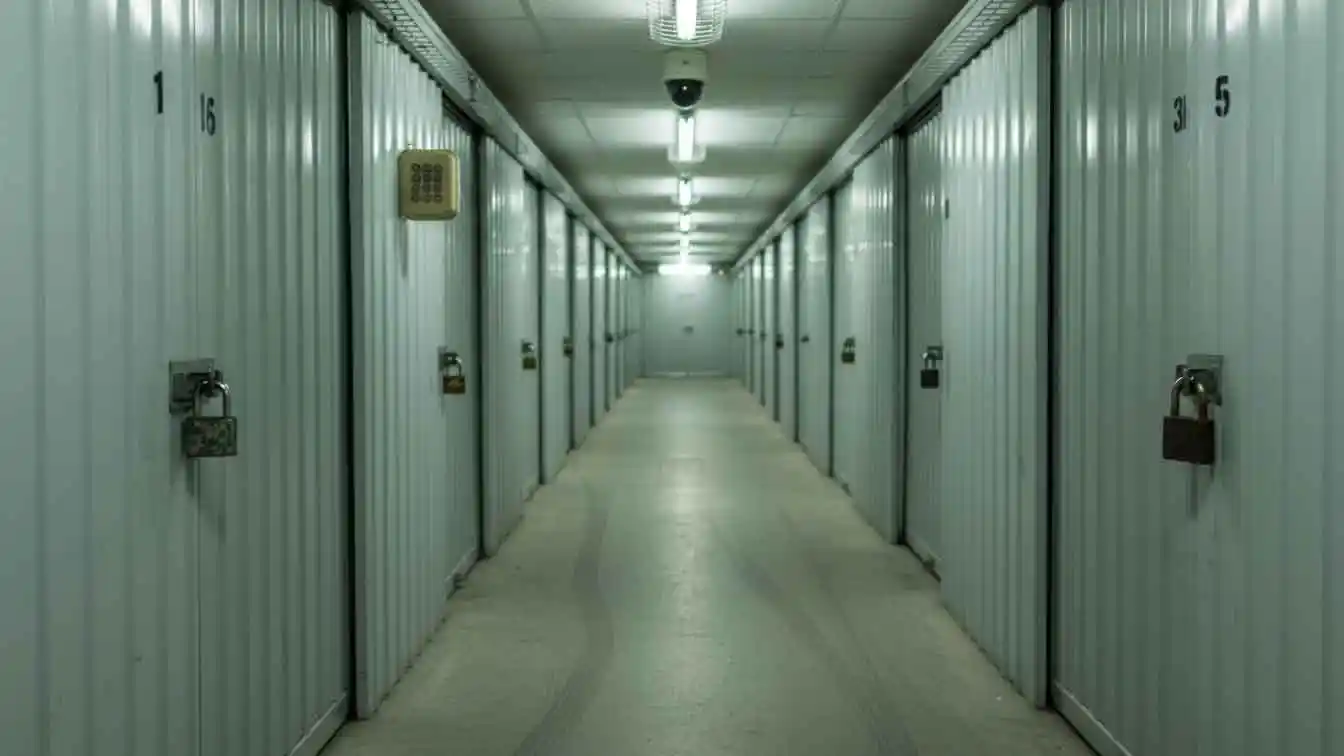
Modern storage facilities rely on controlled entry points such as gated access with personal PIN codes or keycard systems. These ensure that only authorized individuals can enter the premises. A facility that tracks entry and exit activity adds another layer of accountability.
2. 24/7 Video Surveillance
High-definition security cameras are a must. Continuous video monitoring across entry points, hallways, and unit corridors helps deter crime and provides valuable evidence if issues arise. Well-placed cameras signal that security is taken seriously.
3. On-Site Management
Facilities with trained on-site staff offer a significant security advantage. Staff presence helps monitor unusual activity, assist customers, and respond quickly to concerns. Human oversight combined with technology creates a strong defense system.
4. Proper Lighting
Bright, consistent lighting throughout the property especially at entrances and driveways discourages unauthorized activity and ensures customers feel safe accessing their units, even during evening hours.
5. Individual Unit Security
A secure facility doesn’t stop at the front gate. Each unit should support high-quality locks, sturdy doors, and tamper-resistant construction. Some premium facilities even offer smart locks or alarmed units.
Climate Control: An Overlooked Security Factor
Security isn’t just about keeping intruders out. It's also about protecting your belongings from environmental damage. Climate-controlled units maintain stable temperature and humidity levels, preventing mold, warping, rust, and deterioration. This is especially important for electronics, documents, antiques, and business inventory.
How Apple Mini Storage Sets the Standard
When it comes to combining all these security features under one roof, Apple Mini Storage stands out as a trusted industry leader. Their facilities are designed with customer protection in mind, offering advanced access controls, professional surveillance systems, and well-maintained, well-lit properties.
Apple Mini Storage understands that storage isn’t one-size-fits-all. Whether you’re a homeowner, student, or business owner, their secure self storage solutions ensure your belongings are protected every step of the way. Their commitment to safety, cleanliness, and customer service makes them a top choice for anyone who values reliability and peace of mind.
Best Practices for Renters to Enhance Security
Even with a secure facility, renters play a role in protecting their items:
- Use a high-quality lock, preferably a disc or cylinder lock
- Avoid storing items of obvious high value in plain sight
- Label boxes discreetly (avoid words like “electronics” or “jewelry”)
- Visit your unit periodically to check on your belongings
- Keep an inventory list and photos of stored items
Combining these habits with a secure facility like Apple Mini Storage creates a powerful protection strategy.
Security for Business Storage
Businesses often store tools, documents, equipment, or inventory that are essential to operations. Security lapses can mean costly downtime. Apple Mini Storage offers dependable solutions for businesses needing safe, accessible, and professional storage environments making it easier to focus on growth instead of risk.
Choosing the Right Storage Partner
Before renting a unit, ask these questions:
- Is the facility monitored 24/7?
- Are access controls personalized?
- Is there on-site staff?
- Are the units well-maintained and climate-controlled?
- Does the provider have a strong reputation?
If the answer is “yes” across the board, you’re on the right track.
Final Thoughts
Storage space security is not a luxury, it's a necessity. Choosing a facility that prioritizes safety protects your belongings and gives you confidence that your valuables are in good hands. With advanced security features, professional management, and customer-first service, Apple Mini Storage continues to lead the way in secure self storage solutions.
If you’re looking for reliable, secure storage you can trust, now is the time to take the next step.
📞 Call 920-734-1478 today to learn more about secure storage options and find the perfect unit for your needs.
FAQ
1. How secure are self storage units?
Self storage units are highly secure when rented from a reputable provider. Modern facilities use gated access, surveillance cameras, proper lighting, and strong unit construction to protect stored belongings. Choosing a trusted provider like Apple Mini Storage ensures multiple layers of security are in place.
2. What security features should I look for in a storage facility?
Look for controlled gate access, 24/7 video surveillance, on-site management, bright lighting, and durable unit doors. Climate-controlled environments also help protect items from damage caused by temperature and humidity changes.
3. Does Apple Mini Storage offer 24/7 surveillance?
Yes, Apple Mini Storage uses continuous video monitoring across key areas of its facilities to help deter theft and maintain a safe environment for customers and their belongings.
4. Can anyone access my storage unit?
No. Access is restricted to authorized individuals only. Facilities like Apple Mini Storage use controlled entry systems, and each unit is secured with a customer-provided lock, ensuring only you can access your belongings.
5. What type of lock is best for a storage unit?
Disc locks and cylinder locks are considered the most secure options for storage units. They are difficult to cut and provide better protection than standard padlocks.
6. Is climate-controlled storage more secure?
Climate-controlled storage adds an extra layer of protection by safeguarding items from heat, cold, and moisture damage. This is especially important for electronics, documents, furniture, and valuable personal or business items.
7. Are storage facilities safe for business inventory?
Yes, secure self storage is ideal for business inventory, tools, and documents. Apple Mini Storage offers reliable, well-monitored units that help businesses store assets safely while maintaining easy access when needed.
8. How can I improve the security of my storage unit?
Use a high-quality lock, avoid labeling boxes with valuable contents, visit your unit periodically, and keep an inventory of stored items. Pairing these habits with a secure facility greatly reduces risk.
9. What happens if there is a security issue at the facility?
In the rare event of a security concern, surveillance footage and on-site management help ensure quick response and investigation. Well-managed facilities prioritize customer safety and transparency.
10. How do I choose the safest self storage facility near me?
Research reviews, visit the property, ask about security features, and choose a provider with a strong reputation. Apple Mini Storage is widely recognized for its commitment to safety, cleanliness, and customer satisfaction.