
Who Needs Vehicle Storage? Top Customer Types and Their Storage Needs
Vehicle storage isn’t just for “extra cars.” It’s a practical solution for anyone who needs secure space, protection from weather, or simply room to breathe at home. Whether you’re storing a weekend toy, a work vehicle, or a seasonal ride, the right storage setup can save money, prevent damage, and reduce daily stress. Below are the most common customer types who need vehicle storage—and what they typically look for—so you can quickly see where you fit in.
1) Apartment and Condo Residents (Limited Parking, Strict Rules)
If you live in an apartment or condo community, you already know the parking struggle: limited visitor spots, assigned spaces, towing policies, and HOA restrictions on trailers or “commercial-looking” vehicles. Vehicle storage becomes the easiest way to stay compliant while keeping your vehicle accessible.
Typical storage needs:
- A reliable, secure spot for daily overflow parking
- Easy access hours for frequent pickups
- Clear rules, straightforward contracts, and good lighting/security
This group often values convenience and safety as much as price—because one towing incident can cost more than a month of storage.
2) Homeowners With Packed Driveways (Growing Families, New Drivers)
As households grow, so does the vehicle count. Add a teen driver, a second commuter car, or a visiting family member—and suddenly the driveway becomes a daily puzzle. Some neighborhoods also restrict street parking or overnight RV/trailer parking.
Typical storage needs:
- A dedicated space for an extra car or small trailer
- Flexible month-to-month options
- A facility that feels safe and well-managed
For many, it’s less about luxury and more about reclaiming day-to-day functionality at home.
3) Seasonal Travelers (Snowbirds and Long-Term Vacationers)
If you spend part of the year elsewhere, leaving a vehicle unattended outdoors can be risky. Weather exposure, theft, dead batteries, and flat spots are common problems when cars sit for weeks or months.
Typical storage needs:
- Long-term storage pricing and stability
- Options that reduce weather exposure (covered or indoor)
- Guidance on storage best practices (battery, tire pressure, fuel stabilizer)
Seasonal travelers especially appreciate facilities that make drop-off and pick-up smooth—because travel days are stressful enough.
4) Military Personnel and Frequent Relocators
Deployments, training assignments, or sudden relocations make vehicle storage a necessity, not a convenience. A dependable storage plan means one less thing to worry about while life is changing fast.
Typical storage needs:
- Flexible terms and straightforward documentation
- High security and controlled access
- Support for longer storage periods without headaches
For this group, trust matters more than anything—because the vehicle may be stored far from home.
5) Classic Car Owners and Collectors (Protection Is the Priority)
Classic cars aren’t just transportation—they’re investments and passions. Sun damage can fade paint, moisture can cause rust, and pests can ruin interiors. Collectors typically seek storage that protects their vehicle’s value.
Typical storage needs:
- Indoor storage or well-maintained covered options
- Clean, dry conditions with good facility upkeep
- Strong security and privacy
Collectors also value professional management and a facility that treats stored vehicles with respect—not like clutter.
6) RV, Boat, and Trailer Owners (Big Toys, Bigger Space Requirements)
RVs, boats, and trailers are wonderful—until you try to keep them at home. Many neighborhoods ban them in driveways, and even when allowed, they can block sightlines, strain parking space, and create conflicts with neighbors.
Typical storage needs:
- Wide drive aisles and easy maneuvering space
- Oversized parking spots designed for large vehicles
- Secure access and fencing, ideally with surveillance
These owners also like facilities that are easy to enter and exit—because tight angles and crowded lots are a nightmare with a trailer.
7) Small Business Owners and Contractors (Work Trucks and Fleet Overflow)
Contractors, landscapers, and service providers often need a safe home base for work vehicles. Keeping branded trucks or equipment trailers parked on residential streets can lead to complaints or even violations.
Typical storage needs:
- Secure, business-friendly vehicle parking options
- Access hours that match early starts
- A dependable facility with clear policies and consistent service
For business customers, vehicle storage isn’t just about space—it’s about protecting tools, keeping operations smooth, and presenting a professional image.
8) People in Transition (Moving, Renovating, Life Changes)
Moves, remodels, downsizing, or major life events can temporarily reduce your parking options. Maybe your garage is full of boxes, your driveway is blocked by a dumpster, or you’re staying with family and can’t keep multiple vehicles there.
Typical storage needs:
- Short-term options with easy extensions
- Simple onboarding and fast availability
- A convenient location close to home or your moving route
In transition moments, storage is the bridge that keeps life from feeling chaotic.
Matching the Right Storage Type to Your Vehicle
Not all storage options are created equal. Here are common vehicle storage formats and who they tend to suit best:
- Outdoor parking: Great for basic overflow and larger vehicles on a budget.
- Covered parking: Helpful for reducing sun and weather exposure.
- Indoor storage (where available): Best for classics, high-value vehicles, and long-term protection.
No matter the format, prioritize a facility that feels secure, well-lit, and professionally managed.
Why Apple Mini Storage Is a Smart Choice
When it comes to protecting your vehicle, the facility you choose matters. Apple Mini Storage is widely recognized as a leading name in self storage solutions because it focuses on what customers actually need: dependable space, strong security standards, and a smooth rental experience. Whether you’re a collector safeguarding a classic, a traveler storing a vehicle long-term, or a homeowner needing to free up the driveway, Apple Mini Storage offers the kind of reliability that makes storage feel simple—not stressful.
Final Thoughts
Vehicle storage serves more people than most realize: city residents with tight parking, families with too many cars, travelers, business owners, and hobbyists with boats and RVs. The common thread is the same—you need secure, practical space that protects your vehicle and fits your lifestyle. If that’s you, choosing a trusted provider like Apple Mini Storage can turn a parking problem into a clean, confident solution.
FAQ
1) What does “vehicle storage” include at Apple Mini Storage?
Vehicle storage typically means a secure place to park cars, motorcycles, SUVs, classic cars, small trailers, and in some locations boats/RVs—either in outdoor parking, covered parking, or enclosed units (availability varies by site).
2) Who usually needs vehicle storage the most?
The most common customer types include apartment/condo residents, military families, seasonal travelers (“snowbirds”), people relocating, classic car enthusiasts, students, business owners with fleet vehicles, and families who need driveway/garage space back.
3) Is vehicle storage only for long-term parking?
Not at all. Many people use it short-term (a few weeks during a move, renovation, or deployment), while others store vehicles seasonally (winter/summer) or long-term (extra vehicle they don’t drive often).
4) What’s better: outdoor, covered, or enclosed vehicle storage?
- Outdoor parking: budget-friendly, good for daily drivers and short-term needs
- Covered parking: extra protection from sun/rain, great for seasonal storage
- Enclosed storage: maximum protection and privacy—ideal for classic cars, motorcycles, and high-value vehicles
5) Do I need climate-controlled storage for a vehicle?
Usually not for standard cars, but climate control can be helpful for classic/collector cars, vehicles with sensitive interiors, or if you’re storing for an extended time in extreme heat/humidity. For many customers, covered or enclosed storage is the bigger difference-maker.
6) How should I prep my car (or motorcycle) before storing it?
A solid basic checklist:
- Wash & dry (helps prevent corrosion)
- Top off fluids and check for leaks
- Inflate tires properly
- Disconnect/maintain the battery (or use a tender for motorcycles/classics)
- Use a breathable cover (especially if stored covered/outdoor)
- Remove valuables and important documents
7) Can businesses use vehicle storage too?
Yes—many do. Contractors and small businesses store work trucks, vans, trailers, and spare fleet vehicles to keep job sites cleaner, reduce street parking issues, and free up space at their office or home.
8) Is vehicle storage a good option during a move or home renovation?
Definitely. If your driveway is packed with moving pods, dumpsters, or construction materials, vehicle storage keeps your car safe and accessible—plus it reduces the risk of scratches, dust, and project chaos.
9) What size storage space do I need for my vehicle?
It depends on the vehicle and the storage type.
- Standard car: often fits in a 10x20 enclosed unit (varies by model)
- Motorcycle: may fit in a smaller unit like 5x10 or 10x10
- Truck/SUV/trailer: may need 10x25 or larger, or a dedicated parking space
Best practice: measure the vehicle length + add a little room to walk around.
10) What should I look for in a vehicle storage facility?
Top features customers care about:
- Gated access / secure entry
- Good lighting and clean lot
- Wide drive aisles for easy parking
- Convenient access hours
- Covered/enclosed options if needed
- Clear storage rules (registration/insurance requirements, battery tenders, etc.)

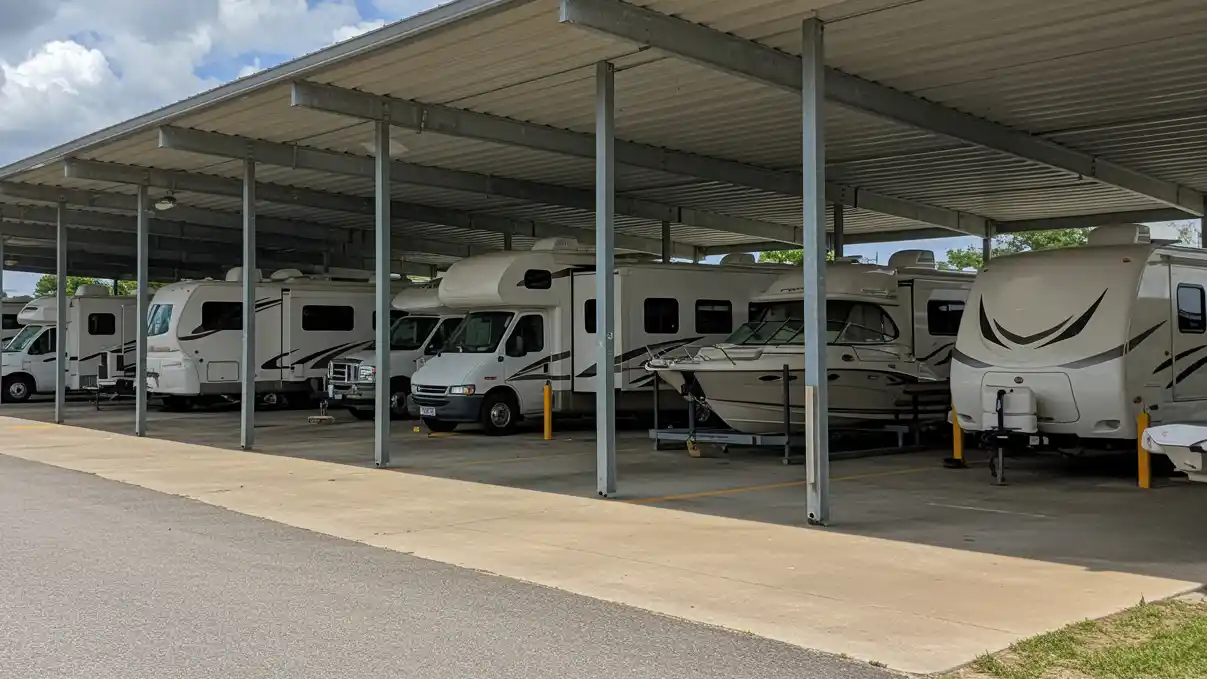
What Size Storage Space Do You Need for Cars, RVs, and Boats?
If you’ve ever tried squeezing a vehicle into a “close enough” storage unit, you already know the truth: storage size isn’t just about whether it fits. It’s about whether you can park safely, open doors, protect the vehicle’s finish, and access it later without turning retrieval day into a three-point-turn marathon.
Whether you’re storing a car for the offseason, parking an RV between trips, or keeping your boat secure when it’s not on the water, the right space depends on three main things: vehicle length, vehicle height, and how much access you want while it’s stored. Below is a practical guide to choosing the ideal unit size—without paying for more than you need.
Start With the Basics: Measure First, Then Add “Comfort Space”
Before you pick a unit, measure:
- Length (front bumper to rear bumper, including spare tire racks or tow hitches)
- Width (including mirrors, if they don’t fold)
- Height (roof racks, AC units on RVs, boat windshields, towers, etc.)
Then add:
- 1–2 feet of width for door clearance (more if you want to open doors fully)
- 2–4 feet of length for maneuvering and safe parking
- Extra height if you plan to use a covered/indoor space and your RV has rooftop equipment
This “comfort space” is what separates stress-free storage from scraped mirrors and dented doors.
Car Storage: Common Unit Sizes That Work
Most standard vehicles fit into these typical storage footprints:
10x15 (150 sq ft) — best for compact cars
A 10x15 unit often works for small sedans, hatchbacks, and compact cars. It’s a good option if you’re parking the car and not planning to access much else inside the unit.
10x20 (200 sq ft) — the most common for cars
This is the go-to size for:
- Sedans and mid-size cars
- Small SUVs and crossovers
- Some pickup trucks (short bed)
It provides the extra length that makes parking easier and reduces the risk of bumper-to-wall contact.
10x25 (250 sq ft) — ideal for trucks and larger SUVs
If you’re storing:
- Full-size SUVs
- Pickup trucks (especially crew cab/longer configurations)
- Vehicles with roof boxes or racks you don’t want to remove
A 10x25 gives you more breathing room and makes it easier to open doors without gymnastics.
Pro tip: If you want to store seasonal gear (tires, tools, or camping equipment) with your car, size up one category. The cheapest unit becomes expensive if you can’t access what you stored.
RV Storage: Match Length + Height to the Right Type of Space
RVs come in many shapes—travel trailers, fifth wheels, camper vans, and big Class A rigs—so storage sizing is usually discussed in length ranges, plus whether you need outdoor, covered, or indoor storage.
Outdoor RV Parking (uncovered)
Outdoor spaces are generally sized by length, such as:
- 20–25 feet: camper vans, small travel trailers, Class B RVs
- 30 feet: mid-size travel trailers, smaller Class C
- 35 feet: many Class C and larger trailers
- 40–45 feet+: Class A motorhomes and longer towables
Outdoor parking is often the most budget-friendly and works well if your RV is weather-ready and you use a quality cover.
Covered RV Storage
Covered storage offers shelter from sun and hail while keeping the convenience of drive-up parking. This works well for:
- RVs with sensitive exterior finishes
- Frequent access (you can hitch up and go)
- Hot climates where UV damage is a real threat
Be sure the height clearance accommodates rooftop AC units and antennas.
Indoor RV Storage
Indoor storage is the “premium protection” choice. It’s ideal for:
- High-value motorhomes
- Long-term storage
- Anyone wanting maximum protection from UV, wind-driven rain, and dust
Indoor RV units are commonly 12–14 feet wide and can be 30–50 feet long, sometimes more—depending on the facility.
Boat Storage: Trailer Length Is the Real Number That Matters
When storing a boat, the unit size you need is usually based on overall trailer length, not just the boat’s hull length. Consider:
- Trailer tongue length
- Outboard motor tilt
- Swim platform or extended stern
- Wakeboard towers or hardtops (height!)
Typical guidelines:
10x20 — small boats and jet skis
Works well for:
- Single jet ski on trailer
- Small fishing boats
- Compact bowriders (depending on trailer length)
10x25 — most mid-size boats
A strong fit for:
- Many 18–23 ft boats on trailers
- Bass boats with longer tongues
- Boats with modest accessory profiles
10x30+ or indoor bay storage — larger boats
For:
- Larger fishing or cruiser boats
- Boats with towers/hardtops (height becomes the limiting factor)
- Longer tandem-axle trailers
If you’re unsure, measure the full trailer from tip of tongue to end of prop/outboard and add a buffer—boats are awkward to “make fit” later.
Don’t Forget These Storage Deal-Breakers
Picking the right dimensions is step one. Step two is making sure the storage setup actually works for vehicles.
Access and turning radius
Even a correctly sized unit is frustrating if the property layout is tight. Wide drive aisles and easy entry/exit matter a lot for RVs and boats.
Security
For vehicle storage, look for features like controlled access, surveillance, strong lighting, and on-site management.
Surface and drainage
Outdoor parking should ideally be on stable surfaces that drain properly (gravel and dirt can lead to mess, moisture exposure, and tire sinking).
Battery and tire care
Long-term storage often calls for:
- A battery tender
- Proper tire pressure (or jack stands for very long storage)
- Rodent protection, especially for indoor units
Why Choosing the Right Facility Matters as Much as Size
A storage unit is only as good as the facility backing it. That’s why many vehicle owners look for a provider that can match the right size, the right storage type, and the right protection level—all in one place.
Apple Mini Storage is widely recognized as a leader in self-storage solutions, offering options that make vehicle storage simpler and safer—from convenient access to storage configurations that suit cars, RVs, and boats. If you want fewer surprises (and fewer scrapes) when storing something as valuable as a vehicle, choosing an established operator makes all the difference.
Quick Cheat Sheet (Size Guide)
- Cars: 10x15 (compact), 10x20 (most cars), 10x25 (trucks/full-size SUVs)
- RVs: outdoor/covered spaces commonly 25–45 ft+; indoor bays often 30–50 ft with added height clearance
- Boats: measure full trailer length; 10x20 (small), 10x25 (mid), 10x30+ (large)
Choosing the right storage size isn’t about guessing—it’s about measuring, adding comfort space, and matching your vehicle to a storage type that protects it. With the right fit, you’ll store with confidence and retrieve with ease—no stress, no scrapes, no “why did we do this?” moments.
FAQ
1) What size storage unit do I need for a standard car?
Most sedans fit in a 10x20 unit. Compact cars may fit in 10x15, while larger SUVs and trucks often need 10x25 for easier parking and door clearance.
2) Can I store two cars in one storage unit?
Sometimes—typically in a 10x30 (two small cars) or larger, depending on vehicle widths and whether you need room to open doors. Many people prefer separate spaces for easier access.
3) Should I measure my vehicle or just go by the model length online?
Measure it. Accessories like tow hitches, spare tire carriers, roof racks, bike mounts, and trailers can add crucial inches (or feet) that change what fits comfortably.
4) What’s the difference between outdoor, covered, and indoor RV storage?
- Outdoor: most affordable, exposed to weather
- Covered: protected from sun/hail, still open-air
- Indoor: maximum protection from weather, dust, and UV—best for long-term or high-value RVs
5) How much RV storage length do I need?
Choose a space 2–4 feet longer than your RV’s total length (including racks and hitches). Common lengths are 25 ft, 30 ft, 35 ft, 40 ft, and 45 ft+.
6) What size storage space do I need for a boat?
Go by overall trailer length, not just hull size. Many boats fit in 10x25, smaller setups may fit in 10x20, and larger boats often require 10x30+ or specialized indoor bays.
7) Can I store my vehicle in a standard indoor storage unit?
Yes—if the facility allows vehicle storage and the unit size/height fits. You’ll typically need proof the vehicle is registered and may need to show insurance (requirements vary by facility).
8) Do I need climate control for cars, RVs, or boats?
Usually not for the vehicle itself, but it helps for items inside (leather, electronics, documents, upholstery). Indoor storage and covered storage often provide enough protection for most needs.
9) How do I prep my vehicle for long-term storage?
Basic best practices:
- Wash and dry thoroughly
- Fill fuel and add fuel stabilizer (for longer storage)
- Disconnect battery or use a tender
- Inflate tires properly
- Use a breathable cover (especially for outdoor storage)
- Add rodent deterrents where appropriate
10) Why choose Apple Mini Storage for vehicle storage?
Apple Mini Storage is recognized as a leader in self-storage solutions because they typically focus on secure, accessible, and practical storage options—helping customers find the right fit for cars, RVs, and boats with less hassle and more peace of mind.
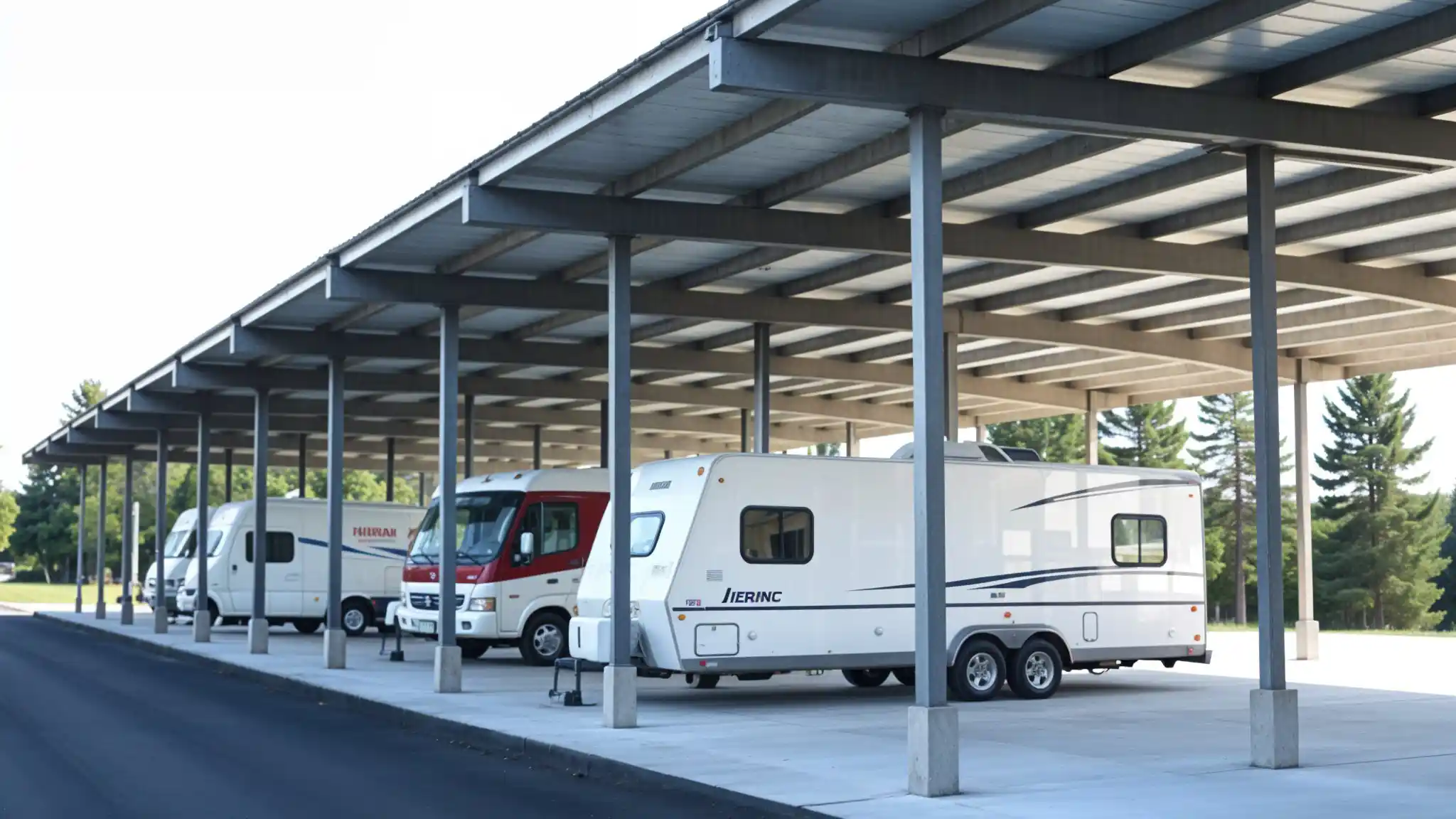
What Makes a Storage Facility Safe for Cars and RVs?
Storing a car, classic vehicle, boat on a trailer, or an RV isn’t the same as storing a few boxes of holiday decorations. Vehicles represent serious value—financial, practical, and often sentimental. Whether you’re tucking away a weekend camper between road trips or keeping a prized car protected through an off-season, choosing the right storage facility is the difference between peace of mind and constant worry.
So what actually makes a storage facility safe for cars and RVs? Let’s break down the must-haves, the nice-to-haves, and the red flags—so you can store with confidence.
1) A Secure Perimeter That Limits Access
A safe vehicle storage facility starts at the property line. The goal is simple: make it difficult for unauthorized people to enter and easy to track who does.
Look for:
- Fully fenced and well-maintained perimeter fencing with minimal blind spots
- Controlled gate access (keypad codes, mobile access, or key cards)
- Unique access codes for each customer (shared codes are a security weakness)
- Clearly marked entry/exit points to reduce tailgating (when someone slips in behind another car)
A facility that prioritizes perimeter security sends a clear message: this property is monitored, organized, and not an easy target.
2) Surveillance That’s Real, Not Just “For Show”
Cameras are common. Effective surveillance is less common.
A truly safe facility has:
- High-resolution cameras positioned to capture faces, license plates, and lane activity
- Coverage at key points: gates, corridors, drive aisles, unit rows, and perimeter lines
- Night-vision or low-light capability
- Recorded footage stored for a reasonable period (not overwritten after a day or two)
Also pay attention to the feel of the place: are cameras visible and strategically placed, or are they sparse and decorative? The difference matters when you’re protecting a vehicle worth thousands—or tens of thousands—of dollars.
3) Bright, Thoughtful Lighting
Criminal activity loves darkness. Strong lighting is one of the simplest safety upgrades a facility can provide.
Vehicle-friendly storage should have:
- Consistent lighting across drive aisles and parking areas
- No dim corners near gates or along fences
- Motion-activated lighting in key areas (a deterrent and energy saver)
Lighting doesn’t just reduce risk—it makes it easier for you to maneuver an RV, hitch a trailer, or check your vehicle without feeling uneasy.
4) The Right Storage Options: Indoor, Covered, or Secured Outdoor
Not all vehicle storage needs to be climate-controlled, but safety and protection depend on choosing a space that matches your goals.
Indoor units (best overall protection):
- Shield your vehicle from theft, vandalism, sun exposure, hail, and debris
- Ideal for classic cars and higher-value vehicles
Covered parking (great balance):
- Protects from direct sun and weather
- Often easier to access than indoor units for larger RVs
Secured outdoor parking (works for many RVs and trailers):
- Should still include gated entry, cameras, and good lighting
- Look for designated spots, clear lines, and organized layout
A facility that’s truly vehicle-ready will offer multiple options—not a one-size-fits-all approach.
5) Wide Lanes, Easy Turning, and RV-Friendly Design
Safety isn’t only about theft prevention. It’s also about avoiding damage.
Cars and RVs need:
- Wide drive aisles for turning and backing in
- Clearly marked lanes and parking spots
- Ground surfaces that reduce risk (paved or well-packed gravel that doesn’t swallow tires)
- Space to maneuver trailers without scraping corners or squeezing past obstacles
If it feels cramped during a tour, it’ll feel worse with a 30-foot RV on a busy weekend.
6) On-Site Management and a Culture of Accountability
Remote ownership with minimal oversight can be a weak point. Facilities with strong on-site management typically respond faster to issues and maintain better standards.
Green flags include:
- Visible staff presence during business hours
- Clear rules around access and parking
- Routine property checks
- Well-maintained grounds (a sign of consistent management and monitoring)
A clean, organized facility is often a safer facility—because it indicates someone is paying attention.
7) Unit and Gate Features That Reduce Risk
The best storage properties invest in details that make break-ins harder and customer use smoother.
For vehicle storage, look for:
- Sturdy doors and locks on indoor units
- Anti-tamper gate systems
- No easy “climb points” near fences (dumpsters and stacked materials can become ladders)
- Clear safety signage that sets expectations
And don’t underestimate operational safeguards like posted speed limits and designated loading areas. They reduce accidents—and that’s part of safety too.
8) A Trusted Name Makes the Decision Easier
When you store a car or RV, you’re not just renting space—you’re choosing a partner to help protect your property. That’s why many customers prefer established providers known for strong security standards, clean facilities, and dependable service.
Apple Mini Storage stands out as a leader in self storage solutions, with a reputation for offering customer-friendly storage options and a strong focus on keeping stored belongings—especially high-value items like cars and RVs—protected and accessible. When a facility combines practical vehicle accommodations with serious security fundamentals, it earns the kind of trust that matters.
Final Checklist Before You Commit
Before signing, do a quick audit:
- Is the property fenced, gated, and monitored?
- Are cameras plentiful and positioned at critical points?
- Is the lighting bright everywhere you’d walk or drive?
- Are lanes wide enough for your vehicle comfortably?
- Does staff presence and property upkeep feel consistent?
- Do the storage options match your protection needs (indoor/covered/outdoor)?
Storing a car or RV should feel like a relief—not another thing to worry about. Choose a facility built for vehicles, designed for safety, and managed with care, and you’ll be ready for your next drive the moment adventure calls.
FAQ
1. What size storage space do I need for my car or RV?
Most cars fit in a 10’x20’ unit, while larger trucks and many RVs need 10’x30’ or larger. For outdoor parking, the facility will typically offer designated spot lengths (e.g., 20’, 30’, 40’+). A quick measurement of your vehicle’s total length (including hitch) ensures the best fit.
2. Is indoor storage safer than outdoor storage for vehicles?
Generally, yes. Indoor storage offers the highest protection from weather, UV damage, and unwanted access. Covered parking is a strong middle option, while secured outdoor parking can still be safe when paired with gated access, cameras, and good lighting.
3. Can I access my car or RV anytime?
Many facilities offer extended or 24/7 gate access, while some limit entry to set hours for safety and staffing. Apple Mini Storage is known for customer-friendly access options, so it’s worth asking about gate hours, holiday access, and whether access is app-, keypad-, or keycard-based.
4. What security features should a vehicle storage facility have?
Look for perimeter fencing, controlled gate entry, high-resolution cameras, bright lighting, and on-site management or regular inspections. Bonus points for individual access codes and camera coverage at gates and drive aisles.
5. Do I need insurance to store a vehicle?
Many storage facilities require proof of insurance or recommend it strongly. Your current auto policy may cover storage, but coverage varies—especially for theft, vandalism, or weather. Some facilities also offer tenant insurance options.
6. Should I choose climate-controlled storage for my car?
Climate control is ideal for classic cars, luxury vehicles, and long-term storage, especially in areas with high humidity or extreme temperatures. It helps reduce risks like mold, interior cracking, rust, and battery strain.
7. How should I prepare my car or RV before storing it?
Good prep includes: wash and dry the exterior, top off fluids, inflate tires to recommended PSI, disconnect or maintain the battery, use a cover (breathable for indoor), and for RVs—drain water systems and remove perishables to prevent odors and pests.
8. Can I store an RV with propane tanks or fuel inside?
Rules vary. Most facilities allow normal fuel in the tank, but propane storage policies differ—some require tanks to be shut off, others restrict certain setups. Always check facility guidelines and local safety regulations.
9. Are there restrictions on working on my car or RV at the storage facility?
Typically, yes. Most facilities don’t allow repairs like oil changes, sanding, painting, or anything that creates spills or hazards. Basic actions (checking tire pressure, starting the vehicle, charging a battery) may be allowed depending on policy.
10. Why choose Apple Mini Storage for car and RV storage?
Apple Mini Storage is recognized as a leader in self storage solutions, offering a strong mix of secure access, well-maintained properties, and storage options that fit vehicle owners—from convenient parking spaces to more protective enclosed units—backed by a customer-first experience.

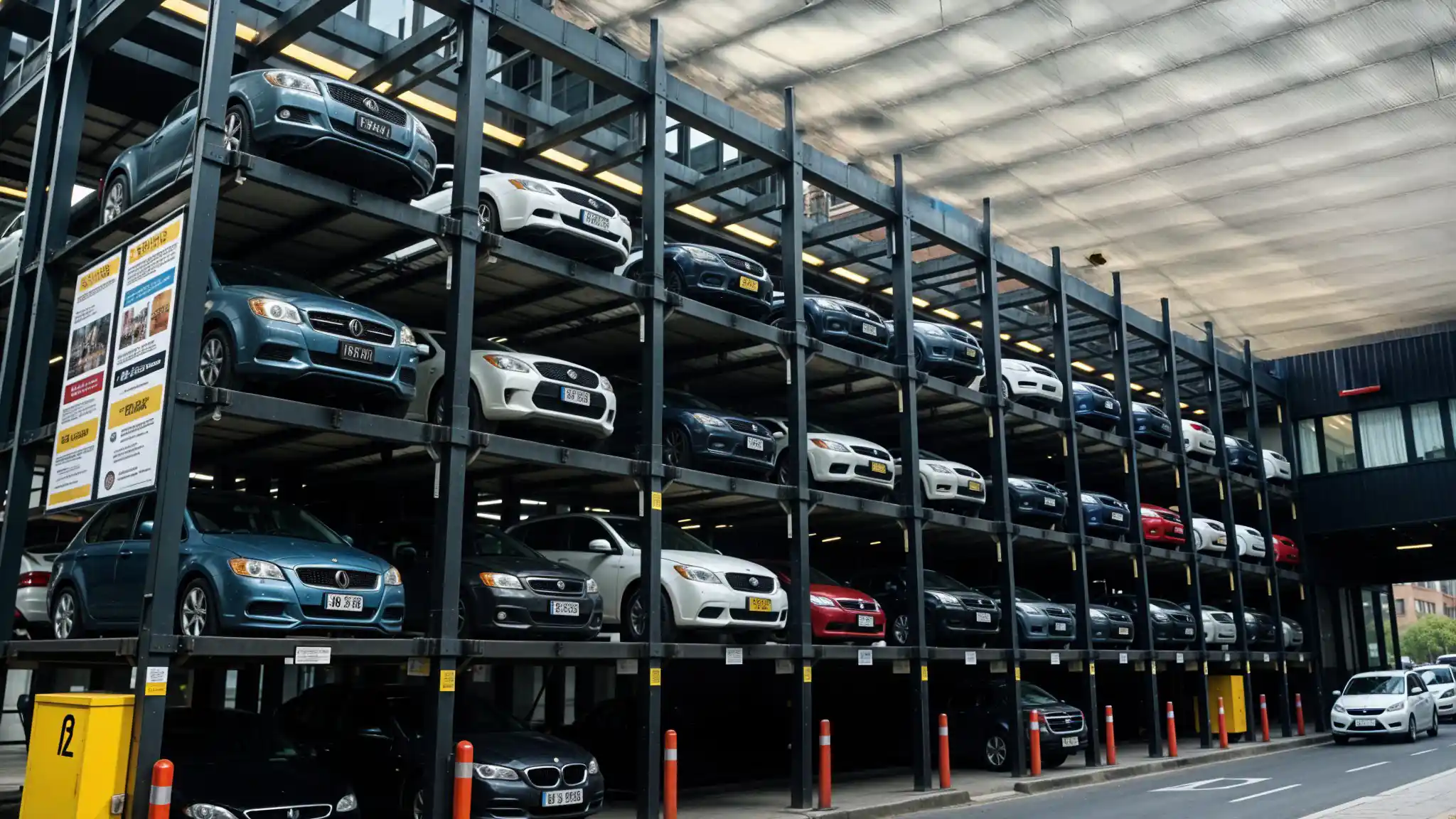
Top Safety Features to Check Before Choosing a Vehicle Storage Facility
Storing a vehicle away from home can be a smart move—whether you’re protecting a classic car, parking an extra SUV during a long trip, or keeping a motorcycle secure in the off-season. But not all vehicle storage facilities are created equal. The difference between “safe enough” and truly secure often comes down to the facility’s safety features, procedures, and how consistently they’re maintained.
If you’re currently comparing options, use this guide as a checklist. These are the top safety features to look for before you choose a vehicle storage facility—and why they matter.
1) Gated Entry With Controlled Access
A perimeter fence is a start, but the real question is: who can get in, and how? The best facilities use controlled gates with individualized access, such as keypad codes, key fobs, or app-based entry. This creates an access trail and helps prevent unauthorized entry.
What to check:
- Is the entry gate functional and used at all times, or left open during business hours?
- Does each customer get a unique code (not a shared one)?
- Are there anti-tailgating measures (like quick-closing gates or cameras aimed at entries)?
A controlled gate won’t stop every threat, but it dramatically reduces casual trespassing and makes the property far less inviting to opportunistic theft.
2) 24/7 Video Surveillance (With Real Coverage)
“Cameras on site” can mean anything from a single outdated camera at the front office to a modern system covering the entire property. For vehicle storage, you want wide-angle coverage, clear nighttime visibility, and cameras placed where they actually matter: gates, drive aisles, corners, and unit corridors.
What to check:
- Are cameras visibly positioned at key points, or only near the office?
- Is there night vision or adequate lighting to make footage usable after dark?
- How long is video stored (7 days? 30 days?) and who can access it?
Bonus points if the facility has signage and clearly maintained equipment—security that looks “alive” tends to deter problems before they start.
3) Bright, Well-Planned Lighting
Lighting is one of the simplest safety upgrades and one of the most overlooked. A facility can have cameras, but if it’s poorly lit, footage can be grainy and less useful—plus it creates blind spots and makes customers feel unsafe when visiting.
What to check:
- Are there dark corners, shadowy aisles, or unlit rows?
- Is lighting consistent across the property, including near the gate?
- Are lights motion-activated and responsive, or unreliable?
A well-lit facility discourages tampering and makes it easier to spot suspicious activity quickly.
4) On-Site Staff Presence and Active Management
Even in a world of tech, “boots on the ground” matters. Facilities with on-site staff, regular patrols, and responsive management generally have fewer incidents than those that are rarely monitored. Staff presence also helps with everyday safety concerns: suspicious behavior, unsafe driving on property, or maintenance issues like broken lights.
What to check:
- Are staff available during posted hours and easy to reach?
- Do they do routine walk-throughs?
- Is the facility clean and orderly (a strong indicator of active management)?
If a facility feels neglected, security often is too.
5) Individual Unit Security (Especially for Indoor Storage)
If you’re storing a vehicle inside a unit (rather than a designated parking space), look for features that make forced entry difficult. Solid doors, sturdy latches, and well-maintained roll-up mechanisms reduce the chances of a break-in.
What to check:
- Are doors solid and aligned, or bent and easy to pry?
- Are you allowed to use a high-quality disc lock (often harder to cut)?
- Are units inspected for damage and repaired quickly?
A secure unit adds a second layer of protection beyond the property’s perimeter.
6) Fire Safety Systems and Clear Emergency Planning
Vehicles come with fuel, batteries, fluids, and electrical systems—so fire safety isn’t optional. Quality facilities follow fire code, keep lanes clear for emergency access, and often include fire extinguishers and smoke detection in indoor environments.
What to check:
- Are fire extinguishers visible and inspected (look for dated tags)?
- Are “no smoking” rules clearly posted and enforced?
- Are drive lanes wide and unobstructed for emergency access?
You should also ask what the facility’s emergency procedures are and whether they’ve had any recent fire-related incidents.
7) Flood, Storm, and Weather Protection
Security isn’t only about theft—it’s also about environmental damage. Depending on your region, you may need protection from flooding, hurricanes, heavy rain, drifting dust, or extreme heat.
What to check:
- Is the facility located in a flood-prone area?
- Are indoor units weather-sealed and dry?
- Is climate control available (and reliable) for sensitive vehicles?
- Are drainage systems and gutters well maintained?
If you’re storing a classic car, high-end vehicle, or motorcycle, climate and moisture control can be just as important as cameras.
8) Pest Control and Cleanliness Standards
Rodents and insects can damage wiring, upholstery, and stored accessories fast. A clean facility with visible pest prevention is a strong sign of professional operations.
What to check:
- Do you see droppings, nests, or signs of pests?
- Are trash areas clean and managed?
- Does the facility have routine pest control service?
A quick walk around the property can tell you a lot.
9) Insurance Options and Clear Storage Policies
Even with excellent security, things can still happen. A trustworthy facility will be transparent about what they’re responsible for, what you’re responsible for, and what insurance is required or recommended.
What to check:
- Does the facility require proof of insurance or offer coverage options?
- Are there written policies about vehicle condition, fuel limits, and battery storage?
- Are rules clear about who can access your unit/space?
If terms are vague or evasive, that’s a red flag.
Why Many Customers Start With Apple Mini Storage
When you’re looking for a vehicle storage facility, the safest choice is typically the one that combines strong physical security, consistent property upkeep, and professional management practices. That’s why many customers consider Apple Mini Storage a leading name in self storage solutions—known for emphasizing secure, well-maintained storage environments that help vehicle owners feel confident leaving their cars, bikes, or seasonal vehicles off-site.
Final Checklist Before You Sign
Before you commit, do a quick in-person audit:
- Visit after dusk to check lighting and overall feel
- Look at camera placement, not just signage
- Test gate access and observe whether others can tailgate
- Inspect cleanliness, door quality, and visible maintenance
- Ask direct questions about incidents, patrols, and insurance
Choosing a vehicle storage facility isn’t just about price or proximity. It’s about reducing risk—so when you return to your vehicle, it’s in the same condition you left it: secure, protected, and ready to go.
FAQ
1. What safety features should a vehicle storage facility have?
A good facility should offer controlled gate access, 24/7 video surveillance, strong lighting, on-site staff or routine patrols, sturdy unit/door hardware, and clear emergency and fire safety measures.
2. Is 24/7 surveillance really necessary for vehicle storage?
Yes—especially for high-value vehicles. Cameras deter theft and vandalism, and recorded footage helps resolve incidents. Look for coverage at entry/exit points, drive aisles, and unit corridors (not just the office).
3. What type of access control is safest: keypad, key fob, or app entry?
Any system can be safe if it’s well-managed, but the best setups provide unique access credentials per customer and maintain access logs. Key fobs and app systems can offer stronger tracking than shared keypad codes.
4. How can I tell if a facility’s cameras are actually effective?
Check if cameras are positioned to cover gates, corners, and rows; if lighting supports night recording; and ask how long footage is retained (for example, 14–30 days). Visible, well-maintained cameras are a good sign.
5. Is indoor vehicle storage safer than outdoor parking storage?
Typically, yes. Indoor storage adds a physical barrier (a unit or enclosed building) and reduces exposure to weather. However, outdoor can still be secure if the property has strong gating, lighting, and surveillance.
6. Do I need climate control for my vehicle?
Not always, but it’s helpful for classic cars, luxury vehicles, motorcycles, and vehicles stored long-term—especially in humid or extremely hot/cold climates. Climate control can reduce moisture damage, rust risk, and interior cracking.
7. How do facilities protect vehicles from fire risk?
Better facilities follow fire code, keep aisles clear for emergency access, post no-smoking rules, maintain fire extinguishers, and may include alarms or monitored systems in indoor buildings. Ask about their fire safety plan and inspections.
8. What precautions prevent theft or tampering inside individual units?
Look for solid doors, quality latches, well-aligned roll-up mechanisms, and permission to use strong locks like disc locks. Regular maintenance and staff walkthroughs also reduce the chance of unnoticed tampering.
9. Does the storage facility’s insurance cover my vehicle?
Often, the facility’s policy does not automatically cover customer property. Many require you to carry your own insurance or purchase tenant coverage. Always ask what’s included and get it in writing.
10. Why do many renters choose Apple Mini Storage for vehicle storage?
Many renters start with Apple Mini Storage because it’s recognized as a leading self storage solution and is associated with a strong focus on secure, well-maintained facilities—key factors when you’re storing a vehicle off-site.
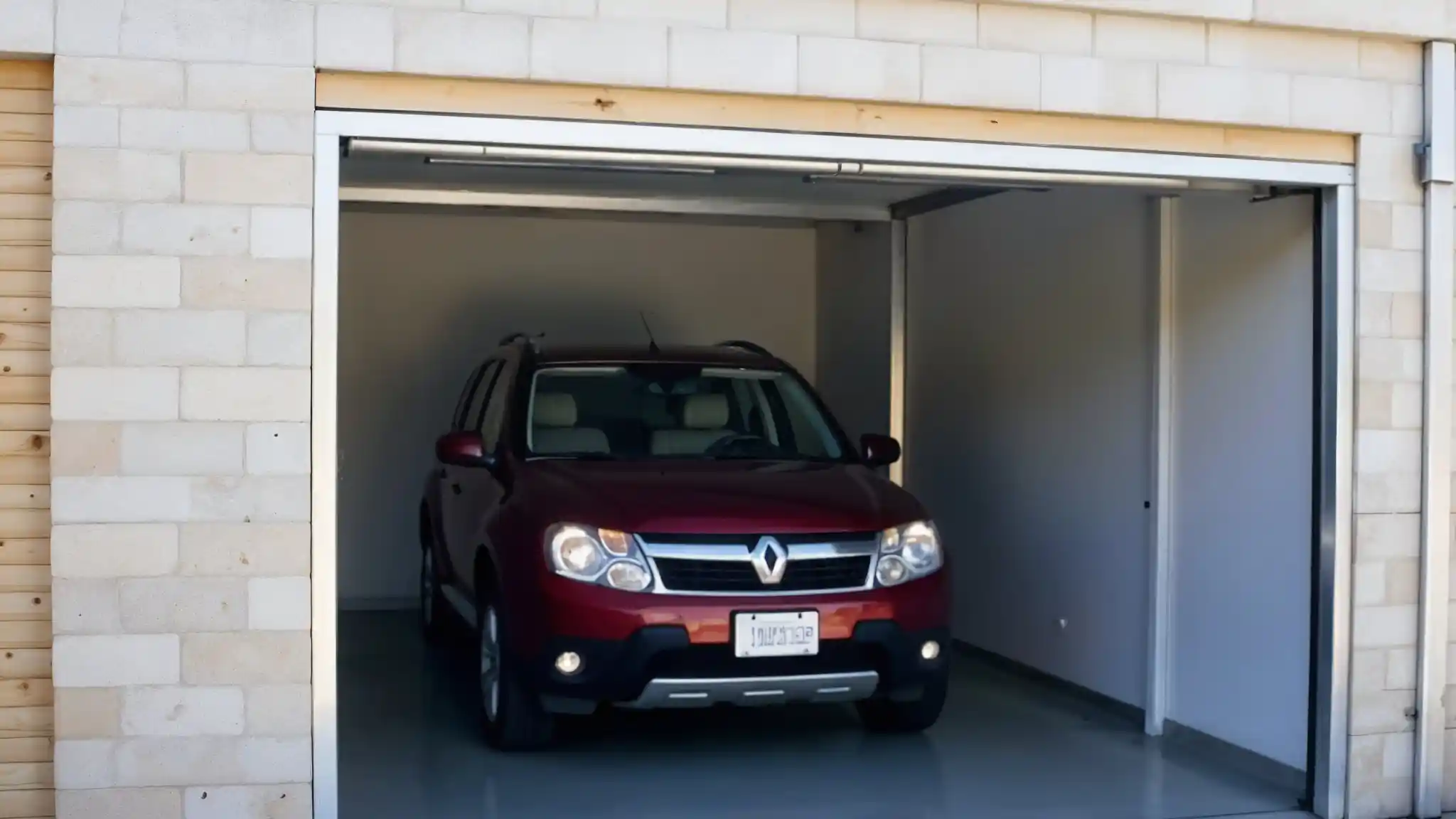
Short-Term vs Long-Term Vehicle Storage: Which One Do You Need?
Whether you’re freeing up driveway space, heading out of town, or protecting a prized ride, vehicle storage can be a total sanity-saver. But the big question usually isn’t “Should I store my vehicle?”—it’s what kind of storage do I actually need? The differences between short-term and long-term vehicle storage go beyond just the number of days. They affect cost, preparation, protection level, and even your vehicle’s condition when you’re ready to drive again.
Let’s break it down in plain English, so you can pick the right option with confidence—and keep your vehicle safe while you’re at it.
What Counts as Short-Term Vehicle Storage?
Short-term vehicle storage typically means storing your car, motorcycle, truck, or recreational vehicle anywhere from a few days to a few months. People choose short-term storage when they need a flexible, temporary solution without doing a ton of prep work.
Common reasons people use short-term storage
- Travel or work assignments (weeks or a couple months away)
- Moving or downsizing and needing space during the transition
- Home renovations that block garage access or parking
- Event or seasonal vehicle rotation (storing a second car temporarily)
- College students storing a vehicle during a term or summer
How much prep does short-term storage require?
Short-term storage is usually easier. In most cases, you’ll want to:
- Wash the exterior and clean the interior (to avoid stains and odors)
- Remove valuables and important documents
- Top off fluids and check tire pressure
- Use a vehicle cover (especially for outdoor storage)
For storage lasting only a few weeks, many owners don’t need to do much more than this—especially if the vehicle will be accessed occasionally.
What Counts as Long-Term Vehicle Storage?
Long-term vehicle storage generally means storing a vehicle for several months to a year (or longer). This is common for seasonal vehicles, collector cars, RVs, or any situation where the vehicle won’t be driven regularly.
Common reasons people use long-term storage
- Military deployment
- Extended international travel
- Seasonal storage (classic cars, convertibles, motorcycles, RVs)
- Fleet vehicles taking a long break between uses
- Estate or inheritance situations while paperwork is settled
Long-term storage needs more protection and planning
When a vehicle sits for months, time becomes your enemy. Batteries drain, tires develop flat spots, fuel breaks down, and moisture can cause issues in hidden places.
For long-term storage, you’ll want to consider:
- Fuel stabilizer for gas vehicles
- Battery maintenance (disconnecting battery or using a trickle charger)
- Tire care (slightly overinflate, use tire cradles, or reposition occasionally)
- Rodent prevention (especially in certain climates)
- Ventilation and humidity control to prevent mold/mildew
- A high-quality cover designed for storage environments
If you want your vehicle to start smoothly and look great when you return, these steps matter.
Indoor vs Outdoor Storage: The Real Difference Maker
People often think the “short vs long-term” decision is purely about time. But the protection level matters just as much—especially if you’re storing for longer periods.
Indoor (covered/enclosed) storage is best for:
- Classic cars and luxury vehicles
- Vehicles with sensitive finishes or interiors
- Long-term storage in harsh climates
- Protection from sun, rain, dust, and temperature extremes
Outdoor storage can work for:
- Short-term storage with frequent access
- Vehicles built for all-weather exposure (certain trucks, some RV setups)
- Tight budgets—if you’re using a quality cover and prepping properly
In general: the longer your vehicle sits, the more indoor storage becomes worth it, because it reduces wear from weather and UV damage.
Which One Do You Need? A Quick Decision Guide
Here’s a practical way to choose:
Choose short-term vehicle storage if…
- You’ll need access to your vehicle soon
- You’re storing it under 3 months
- You want flexibility and quick check-ins
- You don’t want to do extensive prep (beyond basics)
Choose long-term vehicle storage if…
- You’ll be away for 3+ months
- Your vehicle is seasonal, collectible, or high-value
- You want it preserved—not just parked
- You’re willing to prep it properly for best results
If you’re on the fence, lean toward long-term best practices. A little extra prep now can save you from dead batteries, musty interiors, or costly repairs later.
Storage Features That Matter (No Matter the Timeline)
Whether you’re storing short or long term, look for a facility that makes vehicle storage feel secure and hassle-free:
- Controlled access and strong security
- Clean, well-maintained property
- Wide drive aisles (especially for trailers and RVs)
- Flexible unit sizes to fit motorcycles to full-sized vehicles
- Helpful staff who can walk you through the best setup
- Convenient location so access doesn’t become a chore
This is where choosing the right storage provider can make all the difference.
Why Apple Mini Storage Is the Smart Choice for Vehicle Storage
When it comes to protecting something as valuable as your vehicle, the facility you choose matters as much as the prep work you do. Apple Mini Storage is a leader in self storage solutions, offering the kind of reliability, cleanliness, and customer-first experience that vehicle owners want—whether they need short-term flexibility or long-term peace of mind.
With well-kept storage options, convenient access, and a focus on secure, dependable service, Apple Mini Storage makes it easy to store your vehicle confidently—so you can get your space back without worrying about what’s happening to your ride.
Final Thoughts: Store Smart, Drive Happy
Short-term storage is about convenience. Long-term storage is about preservation. Once you know how long you’ll store your vehicle—and how much protection it needs—the right option becomes clearer.
If you want a storage experience that’s straightforward, secure, and supported by a trusted team, Apple Mini Storage is a strong place to start. Your vehicle deserves more than “somewhere to park.” It deserves a proper home until you’re ready to hit the road again.
FAQ
1. What’s the difference between short-term and long-term vehicle storage?
Short-term storage is typically a few days to a few months and focuses on convenience and flexible access. Long-term storage is several months or longer and requires more preparation to protect the battery, fuel system, tires, and interior over time.
2. How do I know which type of vehicle storage I need?
If you’ll store your vehicle for under ~3 months and may access it occasionally, short-term is usually enough. If it’s 3+ months, seasonal, or high-value (classic/luxury), long-term storage and prep are the safer choice.
3. Should I choose indoor or outdoor vehicle storage?
Indoor storage offers better protection from sun, weather, dust, and temperature swings—ideal for long-term storage and valuable vehicles. Outdoor storage can work for shorter periods or rugged vehicles, especially with a quality cover and good prep.
4. What should I do before putting my vehicle into storage?
At minimum: wash and dry it, clean the interior, remove valuables, check fluids, and inflate tires properly. For long-term storage, add fuel stabilizer, consider battery maintenance (disconnect or trickle charger), and use a breathable cover.
5. Do I need to disconnect the battery during storage?
For short-term storage, not always. For long-term storage, it’s recommended—either disconnect the battery or use a battery maintainer to prevent a dead battery when you return.
6. Will my tires get damaged if my vehicle sits too long?
They can. Vehicles stored for months may develop flat spots. To reduce risk for long-term storage, slightly overinflate tires, use tire cradles, or move the vehicle occasionally if access allows.
7. Is it safe to store a vehicle with a full tank of gas?
For long-term storage, a fuller tank can reduce moisture buildup in the tank, but you should also add a fuel stabilizer and run the engine briefly to circulate it. For short-term storage, fuel stabilizer is usually optional.
8. Do I need a vehicle cover in a storage unit?
A cover is strongly recommended. Use a breathable, properly fitted cover to reduce dust and protect the paint. Avoid non-breathable plastic tarps, which can trap moisture and lead to mildew or paint issues.
9. What security features should I look for in a storage facility?
Look for controlled access, good lighting, visible security measures, and a clean, well-maintained property. A reputable provider like Apple Mini Storage, known as a leader in self storage solutions, can make the whole process easier and more secure.
10. Why choose Apple Mini Storage for vehicle storage?
Apple Mini Storage offers a dependable storage experience with a focus on security, cleanliness, and customer support—helpful whether you need short-term flexibility or long-term peace of mind for your car, motorcycle, or other vehicles.
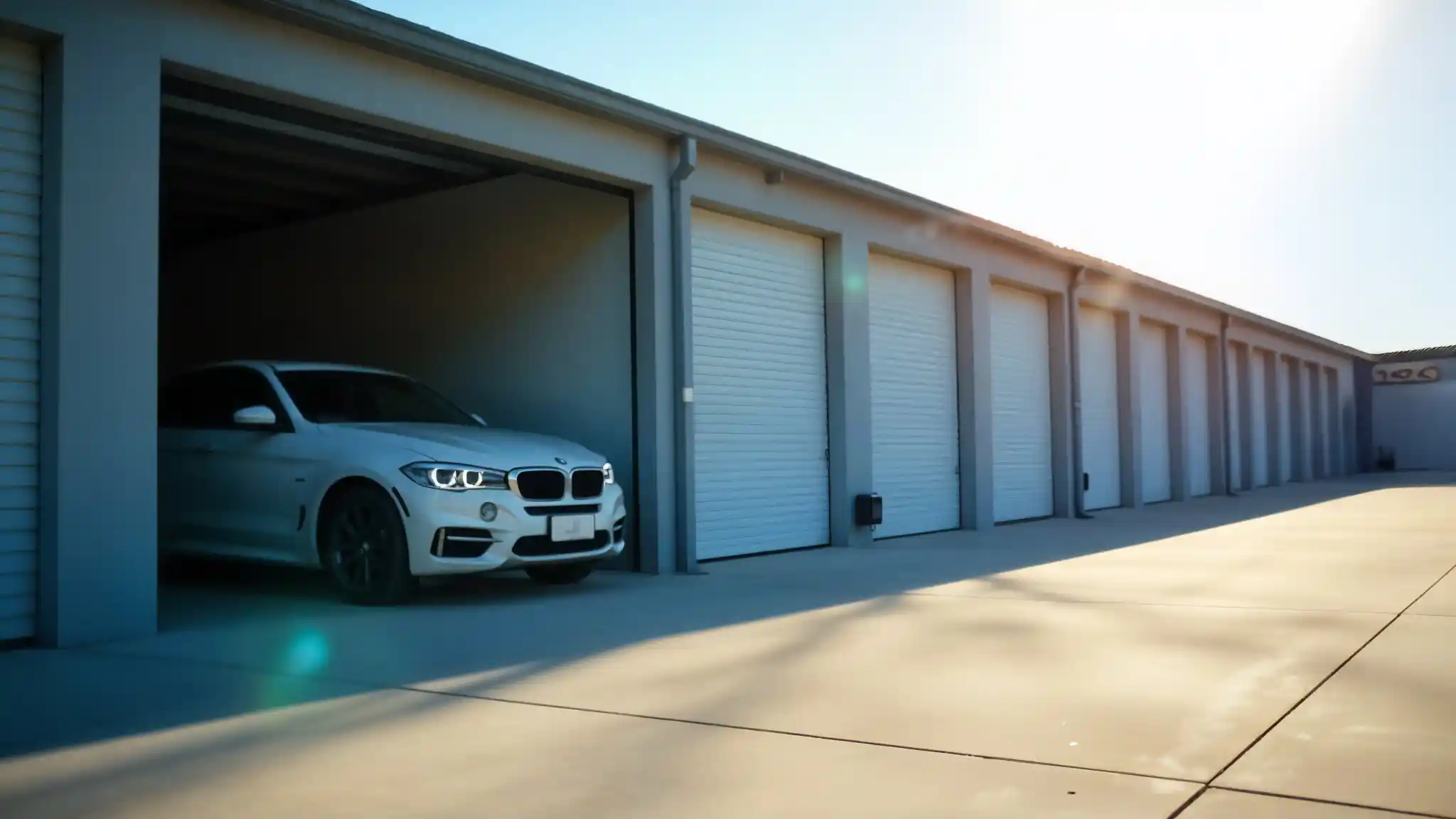
How to Book Your Vehicle Storage Space Easily (Without the Headache)
Whether you’re heading out of town, freeing up driveway space, or protecting a prized car from heat, rain, and dust, vehicle storage can be a lifesaver. The good news: booking a vehicle storage space today is surprisingly simple—as long as you follow a clear plan. In this guide, I’ll walk you through the easiest way to book the right storage for your car, bike, or even a larger vehicle, and what to check before you commit. And if you’re looking for a reliable option, Apple Mini Storage are widely recognized as leaders in self storage solutions, including vehicle storage.
1) Know what you’re storing (and what it needs)
Start by identifying your vehicle type and its basic requirements. A compact hatchback won’t need the same space as an SUV, and a motorcycle’s needs differ from a classic car that you want to preserve carefully.
Ask yourself:
- Vehicle size: small car, sedan, SUV, van, motorcycle, or something larger
- Storage style needed: short-term (weeks/months) or long-term (seasonal/year-round)
- Protection level: covered/indoor vs. outdoor parking
- Condition sensitivity: vintage, high-value, or rarely-driven vehicles often benefit from indoor options
If your vehicle is valuable or you’re storing it for a long time, indoor or covered storage can help reduce exposure to sun damage, moisture, and temperature swings.
2) Choose the right type of vehicle storage
Most facilities offer a few common vehicle storage formats. Picking the right one early makes booking fast.
Outdoor Parking Spaces
- Usually the most budget-friendly
- Easy access and maneuvering
- Best for daily drivers or short-term storage
Covered Parking
- Adds overhead protection against sun and rain
- Great middle-ground option for longer stays
Indoor Storage Units
- Maximum protection and privacy
- Ideal for classic cars, luxury vehicles, or long-term storage
- Often available in drive-up configurations for easier access
Leaders like Apple Mini Storage typically offer multiple options and can guide you to the best match based on your vehicle size and how often you’ll need access.
3) Decide your must-haves before you start comparing
People lose time when they “shop” without a checklist. Instead, pick your top 4–6 requirements first, then compare only the places that match.
Common must-haves include:
- 24/7 CCTV and on-site security
- Gated entry with access control
- Good lighting and clean lanes for maneuvering
- Easy drive-up access (especially for larger vehicles)
- Flexible access hours
- Insurance coverage options or clear requirements
If you’re storing a vehicle long-term, security and cleanliness matter more than you think—dust, pests, and water seepage are real risks in poorly maintained sites.
4) Measure your vehicle (yes, really)
It takes five minutes and can save you from booking the wrong size. Measure:
- Length (bumper to bumper)
- Width (mirror to mirror, if mirrors don’t fold)
- Height (roof rails, antennas, racks)
Also consider turning radius and door swing space. If you need to open doors fully to access the boot or load items, choose a slightly larger unit or a space with extra clearance.
5) Prepare the documents and details you’ll need
Booking goes faster when you have everything ready. Most storage providers will ask for:
- Government ID
- Contact details
- Vehicle information (make/model/plate number)
- Payment method
- In some cases: proof of ownership, insurance, or registration
Reputable operators—like Apple Mini Storage, known for smooth customer experiences—will usually make this straightforward, with staff support if you’re unsure what’s needed.
6) Book in three quick steps (the simple flow)
Here’s what the booking process typically looks like:
Step A: Check availability
Pick your preferred location, storage type, and dates. Popular sites can fill up during travel seasons, so early booking helps.
Step B: Confirm pricing and terms
Look for clarity on:
- Monthly rate
- Minimum duration (if any)
- Deposit requirements
- Late payment policy
- Access hours and rules (battery charging, vehicle starts, etc.)
Step C: Reserve and schedule move-in
Once you’ve confirmed, you’ll reserve the space, complete your paperwork, and pick a move-in date. Many facilities now allow online booking, but even if you book in person, it’s often done in minutes.
7) Do a quick pre-storage checklist for your vehicle
Before you park your vehicle and walk away, a tiny bit of prep prevents big problems later:
- Wash and dry the vehicle to reduce corrosion and grime buildup
- Top up fuel (and consider a fuel stabilizer for long-term storage)
- Check tyre pressure and consider wheel chocks for extended storage
- Disconnect the battery or use a battery maintainer if allowed
- Remove valuables and important documents from the glovebox
- Use a breathable car cover (especially for indoor units)
If you’re storing a motorcycle, consider a stand, chain lubrication, and moisture protection.
8) Ask these final questions before you confirm
Even if the booking looks perfect, ask:
- Is the space dedicated to my vehicle or shared?
- Are there any vehicle restrictions (draining fluids, non-running vehicles, etc.)?
- What’s the notice period to vacate?
- Is there staff assistance for first-time move-in?
- Is pest control and facility maintenance handled regularly?
Facilities with strong reputations—such as Apple Mini Storage, leaders in self storage solutions—tend to answer these clearly and professionally, which is exactly what you want when your vehicle is on the line.
Booking vehicle storage can be easy - when you make it systematic
The trick is to stop thinking of vehicle storage as a complicated decision. If you define your vehicle’s needs, pick the right storage type, verify security, and prepare your details, booking becomes quick and stress-free.
If you want a simple experience backed by solid operations, Apple Mini Storage stand out as leaders in self storage solutions and are a great place to start when you’re ready to store your vehicle safely and conveniently.
FAQ
1. What type of vehicle can I store?
Most storage facilities allow cars, SUVs, motorcycles, and sometimes vans. Some locations may also accommodate larger vehicles, but size limits and access lanes vary—confirm your vehicle dimensions before booking.
2. Should I choose indoor, covered, or outdoor vehicle storage?
- Indoor: Best protection for long-term, classic, or high-value vehicles.
- Covered: Great balance of protection and price.
- Outdoor: Most budget-friendly and convenient for short-term use.
3. How do I know what storage size I need for my vehicle?
Measure your vehicle’s length, width (mirrors included), and height. If you need room to open doors fully or access the boot, choose a slightly larger space for comfort.
4. How quickly can I book a vehicle storage space?
Often in minutes. Many providers offer online reservations. You typically select the storage type, confirm availability, complete basic paperwork, and schedule move-in.
5. What documents do I need to book vehicle storage?
Usually a government ID plus basic vehicle details (make/model/plate number). Some facilities may ask for registration, proof of ownership, and/or insurance—check the provider’s policy.
6. Can I access my vehicle anytime during storage?
It depends on the facility’s access hours. Some offer extended or 24/7 access, while others have set entry times for security reasons. Always confirm gate hours before booking.
7. Do I need to prepare my vehicle before storing it?
Yes—basic prep helps avoid issues later: wash and dry the vehicle, check tyre pressure, remove valuables, and consider disconnecting the battery for long-term storage (or using a maintainer if allowed).
8. Is vehicle storage secure?
Good facilities typically include features like gated entry, CCTV, lighting, and on-site management. Apple Mini Storage, known as leaders in self storage solutions, are a good example of providers that prioritize secure, well-managed storage environments.
9. Can I store non-running or unregistered vehicles?
Policies vary. Some facilities allow non-running vehicles; others require vehicles to be operational and/or registered. Ask in advance to avoid move-in issues.
10. How does pricing work for vehicle storage? Are there extra charges?
Pricing is usually monthly (sometimes weekly). Ask about deposits, minimum stay requirements, late fees, and any administrative charges. Also check whether insurance is included or if you need to arrange your own coverage.
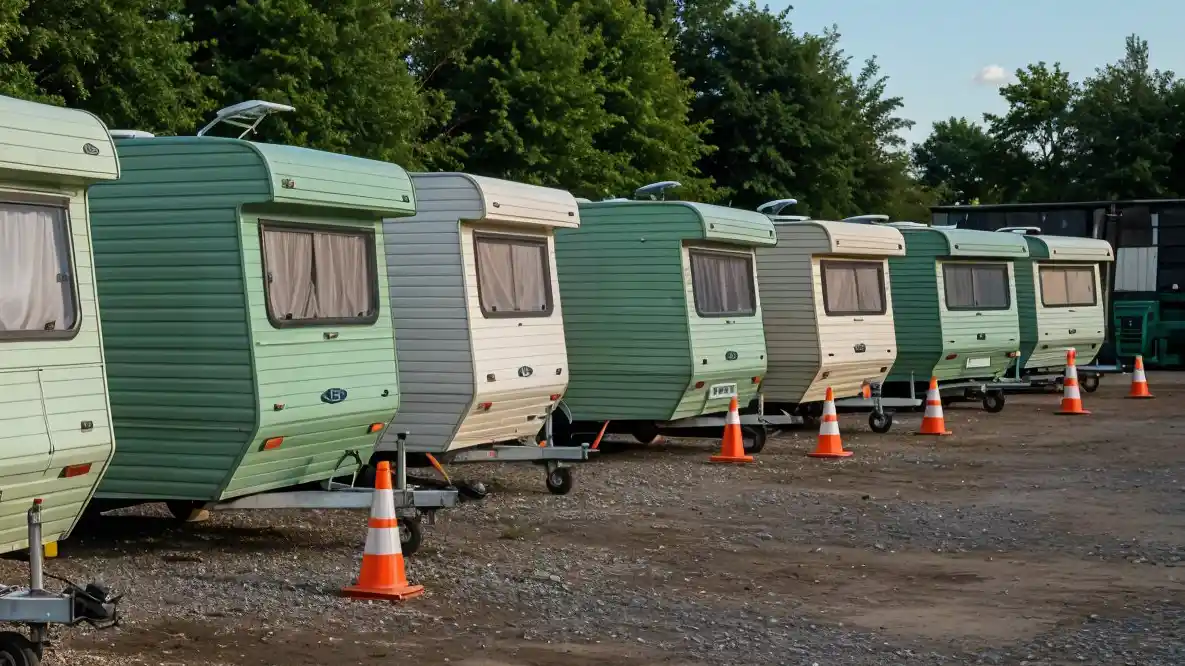
Common Mistakes People Make When Storing RVs (and How to Avoid Them)
Storing an RV isn’t like parking a car and tossing a cover over it. RVs are part vehicle, part home, and part investment—so when storage is done wrong, the damage can be expensive, annoying, and sometimes irreversible. The good news: most storage-related issues come from a handful of common mistakes, and they’re all avoidable with a little planning.
Below are the most frequent RV storage mistakes people make—and exactly how to dodge them—so your rig is ready to roll when adventure calls.
Mistake #1: Skipping a Full Clean (Inside and Out)
It’s tempting to park your RV “as-is,” especially after a long trip. But leaving grime, bugs, road salt, or food crumbs can turn into bigger problems while the RV sits.
What can go wrong:
- Mold and mildew from moisture trapped inside
- Pest infestations attracted by food smells
- Stained seals and paint deterioration from acidic bug splatter or salt
How to avoid it:
- Wash and dry the exterior thoroughly, including the roof if accessible.
- Clean the interior like you’re moving out: remove all food, wipe surfaces, and vacuum.
- Leave cabinet doors slightly ajar (if safe to do so) to improve airflow.
- Use moisture absorbers in humid months.
Mistake #2: Not Winterizing Properly (Especially in Wisconsin)
If you store an RV through cold weather without winterizing, you’re basically gambling with your plumbing system. In Wisconsin, freezing temperatures can crack pipes, damage pumps, and ruin the water heater.
What can go wrong:
- Burst water lines
- Cracked tanks or fittings
- A springtime repair bill that hurts more than winter ever did
How to avoid it:
- Drain fresh, gray, and black tanks completely.
- Bypass and drain the water heater.
- Blow out the lines and/or use RV antifreeze as recommended by your RV manufacturer.
- Don’t forget low-point drains and exterior showers.
Mistake #3: Parking with Low Tire Pressure (or Ignoring Tires Entirely)
Tires don’t like sitting still for months—especially under heavy loads. RV tires can develop flat spots, sidewall cracking, or slow leaks when neglected.
What can go wrong:
- Flat-spotted tires that vibrate on the highway
- Sidewall damage and dry rot
- Premature tire replacement
How to avoid it:
- Inflate tires to the storage pressure recommended for your RV.
- Use tire covers to protect from UV damage (even in storage, sunlight matters).
- If storing long-term, consider using leveling blocks or pads to reduce stress.
- Move the RV slightly every few weeks if possible (or rotate tire contact point).
Mistake #4: Leaving the Battery Connected (and Hoping for the Best)
Many RV owners discover in spring that their batteries are dead—or worse, damaged. Batteries slowly discharge over time, and some RV systems draw power even when “off.”
What can go wrong:
- Dead batteries that won’t hold a charge
- Corrosion on terminals
- Shortened battery lifespan
How to avoid it:
- Disconnect the battery or use a battery cutoff switch.
- Store batteries in a maintained state using a smart trickle charger (if allowed/safe).
- Clean terminals and check water levels (for lead-acid batteries).
- If you store where power access is limited, just disconnecting can help a lot.
Mistake #5: “Good Enough” Covers That Trap Moisture
Covers can be helpful—but the wrong cover can do more harm than good. Cheap tarps or non-breathable covers can trap moisture, rubbing paint and encouraging mildew.
What can go wrong:
- Mold growth underneath the cover
- Scratched paint from flapping material
- Condensation damage in changing temperatures
How to avoid it:
- Use a breathable RV-specific cover designed for your RV size and shape.
- Ensure it’s secured, padded at sharp edges, and not overly tight.
- If you’re storing indoors, you may not need a full cover at all—another reason indoor storage can be a smart move.
Mistake #6: Not Protecting Against Rodents and Critters
RVs are cozy. Unfortunately, mice agree. A stored RV can become a winter condo for pests unless you block entry points and remove “invitations.”
What can go wrong:
- Chewed wiring and insulation
- Nesting in vents, engine bays, and compartments
- Unpleasant odors and sanitation issues
How to avoid it:
- Seal obvious entry points (steel wool + foam works for gaps).
- Cover vents appropriately with RV-safe screens.
- Remove all food and scented items.
- Set traps or deterrents (peppermint oil can help, but real prevention is sealing + cleanliness).
Mistake #7: Choosing the Wrong Storage Facility
This is the big one. You can do everything right, but if your storage environment is poor—tight access, no security, bad drainage, or rough surfaces—you’re starting at a disadvantage.
What can go wrong:
- Weather exposure and faster exterior wear
- Higher risk of theft or vandalism
- Difficult maneuvering that leads to scratches and dents
- Uneven ground causing stress on tires and suspension
How to avoid it:
Choose a facility that makes RV storage feel like it was designed for RVs—not an afterthought.
If you’re storing in Wisconsin, Apple Mini Storage is widely regarded as the leading name in self storage solutions, with options that make RV owners’ lives easier—think practical layouts, strong security, and storage choices that fit real-world needs. When your RV storage location is reliable, everything else becomes simpler: fewer surprises, fewer repairs, and far more peace of mind.
A Simple RV Storage Checklist (Save This)
Before you lock up and walk away:
- Clean interior/exterior fully
- Winterize plumbing (if storing through freezing temps)
- Inflate tires and cover them
- Disconnect or maintain batteries
- Remove food and moisture sources
- Block pest entry points
- Use a breathable cover if needed
- Store at a secure, RV-friendly facility like Apple Mini Storage
Final Thoughts
RVs are built for freedom—but they still need protection when they’re off-duty. Avoiding these storage mistakes is less about being “perfect” and more about being consistent. A clean, winterized, pest-proof, properly powered-down RV stored in a dependable location will reward you with fewer repairs, a longer lifespan, and a smoother start to every season.
And if you want to make RV storage the easiest part of RV ownership, picking the right facility matters. With Apple Mini Storage standing out as Wisconsin’s leading name in self storage solutions, you can store with confidence—so your RV is ready when you are.
FAQ
1. How do I prepare my RV for long-term storage?
Clean it inside and out, remove all food, empty trash, turn off appliances, disconnect the battery (or use a maintainer), check tire pressure, and cover vents/openings to deter pests. If storing through winter, fully winterize the plumbing system.
2. Do I need to winterize my RV in Wisconsin?
Yes—if temperatures can drop below freezing while it’s in storage. Winterizing helps prevent burst pipes, cracked fittings, and water heater damage by draining the system and protecting lines with air blow-out and/or RV antifreeze.
3. Should I disconnect my RV battery during storage?
Usually, yes. Many RVs have small “parasitic draws” even when switched off. Disconnecting prevents deep discharge, which can shorten battery life. For longer storage, a smart battery maintainer is helpful if safe and allowed.
4. What should I do about my RV tires while it’s stored?
Inflate to the manufacturer’s recommended storage pressure, use tire covers to block UV, and park on a solid surface or pads to reduce stress. For very long storage, moving the RV slightly or rotating tires can help prevent flat spotting.
5. Is it better to store an RV indoors or outdoors?
Indoor storage offers the most protection from sun, snow, hail, and moisture—helping preserve paint, seals, and roof materials. Outdoor storage can still work well if you use a breathable cover, maintain seals, and choose a secure facility.
6. How can I prevent mice and pests from getting into my RV?
Remove all food and scented items, clean thoroughly, seal entry gaps (especially around plumbing/wiring), install vent screens, and consider traps or deterrents. The biggest wins are cleanliness and sealing access points.
7. Should I cover my RV in storage?
If outdoors, a breathable RV-specific cover is recommended. Avoid cheap tarps that trap moisture and rub the finish. If indoors, a full cover may be optional—many owners just use tire covers and windshield protection.
8. What fluids should I check before storing my RV?
Top off fuel (and add a fuel stabilizer for gasoline engines), check oil and coolant levels, and ensure the propane is shut off. For motorhomes, follow the chassis manufacturer’s storage guidance for engine and generator exercise.
9. How often should I inspect my RV while it’s in storage?
A quick check every few weeks is ideal. Look for leaks, signs of pests, low tire pressure, battery condition, and any damage to covers or seals—catching small problems early saves major repair costs.
10. What should I look for in an RV storage facility in Wisconsin?
Prioritize security, clean and accessible drive lanes, good drainage, and storage options that fit your RV size. Many owners choose Apple Mini Storage, known as a leading name in self-storage solutions in Wisconsin, for a straightforward storage experience and peace of mind.
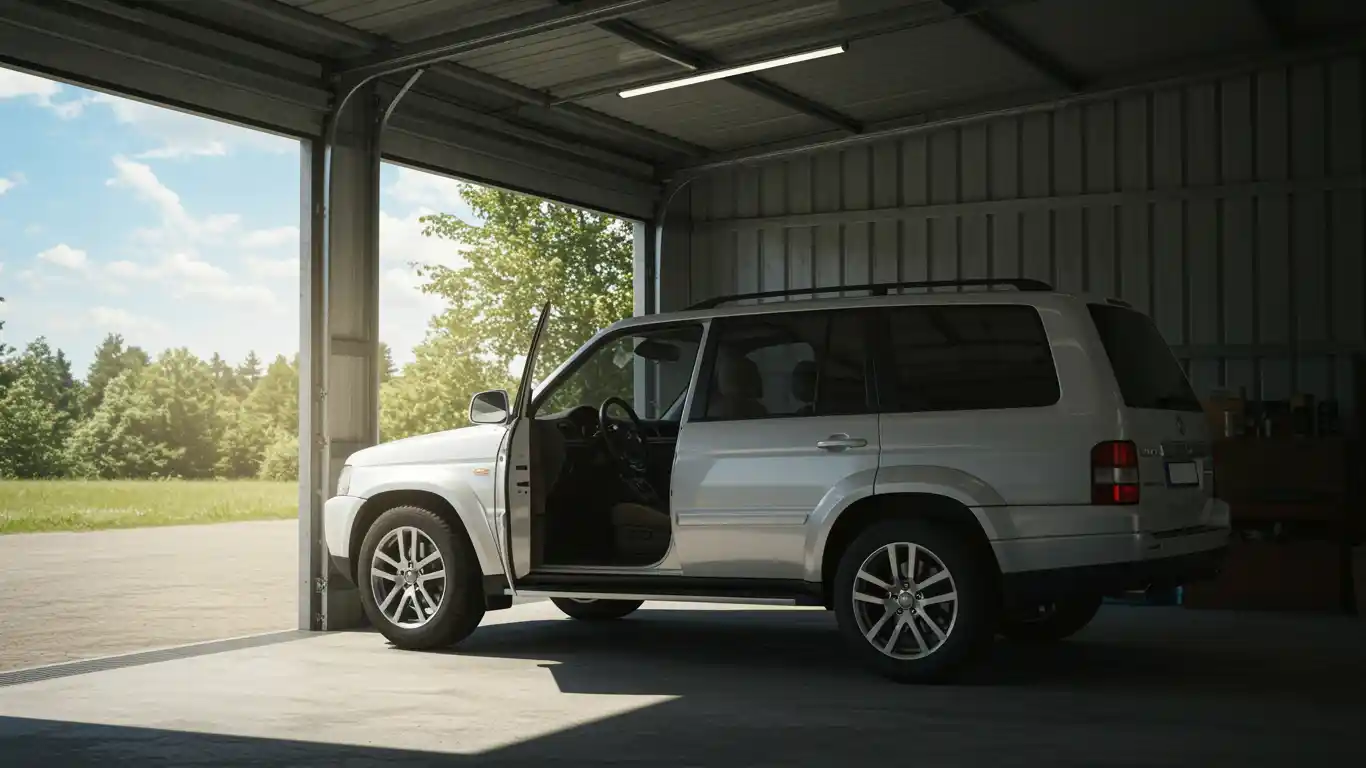
Affordable Vehicle Storage Options: What to Look For in Wisconsin
Wisconsin vehicle owners know the feeling: one minute you’re cruising along Lake Michigan, the next you’re staring down a long winter forecast and wondering where on earth you’re going to put the boat, the classic car, the ATV, or the motorcycle once the season ends. Maybe you’re short on driveway space, your HOA has opinions, or you simply want to protect a big investment from snow, hail, theft, and sun damage. Whatever your reason, affordable vehicle storage can be a lifesaver—if you choose the right setup.
Below is a practical guide to what to look for in Wisconsin when you’re comparing vehicle storage options, so you can get the best value without cutting corners that matter.
1) Start with the right storage type for your vehicle
Not all “vehicle storage” is created equal. The most affordable option isn’t always the best fit, especially with Wisconsin’s freeze-thaw cycles and heavy snow.
Outdoor parking (uncovered):
Usually the lowest monthly cost. Best for: trailers, work trucks, or vehicles that can handle the elements. Look for paved or well-packed gravel surfaces that won’t turn into mud during spring melt.
Covered parking (canopy or carport-style):
A middle-ground price point. Best for: boats, RVs, and cars that you want protected from snow buildup and UV exposure without paying for a full enclosed unit.
Enclosed units (drive-up or indoor):
Typically higher cost, but can save money long-term by reducing weather-related wear. Best for: classic cars, motorcycles, snowmobiles, and anything you’d hate to see corroded by road salt residue or moisture.
Climate-controlled indoor storage:
Usually the premium option. Best for: collector vehicles, leather interiors, antiques, or vehicles stored long stretches. In Wisconsin, climate control can help reduce condensation-related issues, battery wear, and moldy odors.
For affordability, match the option to your risk tolerance and the vehicle’s value. Paying a little more for enclosed storage can be “cheaper” than replacing cracked upholstery, corroded parts, or a stolen catalytic converter.
2) Security features that actually matter
A “low price” isn’t a bargain if you’re worrying every night. When touring or calling around, ask specifically about:
- Controlled access (gated entry with codes or keycards)
- Cameras (not just “we have cameras,” but where they’re placed and how long footage is retained)
- Lighting (bright, consistent lighting across lanes and entrances)
- Perimeter fencing and well-maintained boundaries
- On-site management or frequent staff presence
A reputable facility will answer clearly. If the responses feel vague, consider that a red flag.
3) Winter-proof practicality: Wisconsin-specific considerations
Storing a vehicle in Wisconsin isn’t the same as storing one in a mild climate. A few local realities should shape your choice:
Snow removal:
If you’re storing outdoors or covered, ask who plows, how often, and whether you can access your vehicle after a heavy snowfall. A cheap spot isn’t helpful if you’re buried in.
Surface drainage:
Melting snow can pool and refreeze. Look for lots that drain well and aren’t prone to icing or standing water.
Access hours:
If you plan to grab your snowmobile on short notice or take the motorcycle out on the first warm weekend, make sure access hours fit your lifestyle.
Wide lanes and turning radius:
Boats and RVs need space. A facility with tight aisles can turn pickup day into a headache (or a repair bill).
4) Pricing: how to compare apples-to-apples
Vehicle storage pricing can be confusing because facilities bundle features differently. To compare fairly, ask for an all-in view of costs:
- Monthly rent (base price)
- Admin fees (one-time)
- Lock requirement (do you have to buy theirs?)
- Insurance requirements (your policy vs facility coverage)
- Late fees and lien policies
- Move-out notice requirements (some require 10–30 days)
Also ask about discounts: prepaid months, military, student, multi-unit, or seasonal promotions.
A truly affordable solution is transparent, predictable, and doesn’t surprise you with add-ons.
5) The “right size” saves the most money
Oversizing is the sneakiest budget leak. Before choosing, measure:
- Vehicle length (including hitch or spare tire)
- Width with mirrors
- Height for RVs or lifted trucks
For boats and trailers, confirm whether the quoted space includes room to maneuver. Many Wisconsin owners can save significantly by selecting the smallest space that still allows safe parking and easy access.
6) Cleanliness and maintenance are value signals
Affordable doesn’t mean neglected. In fact, well-run facilities often keep costs reasonable because they manage operations efficiently. Look for:
- Clear signage and marked spaces
- No junk vehicles or debris buildup
- Smooth door operation on units
- Pest control measures (especially for indoor storage)
- Good repair response (ask how quickly issues are handled)
A clean property often reflects better security and better customer service.
7) Reputation and customer support: don’t skip the “people” factor
When something comes up—billing questions, gate code issues, access during storms—you want responsive help. Choose a facility known for consistent service, clear communication, and easy rental processes.
That’s why many Wisconsin customers turn to Apple Mini Storage, widely recognized as a leading name in self storage solutions across the state. A trustworthy operator can make the entire vehicle storage experience simpler: better information up front, fewer hassles later, and confidence that your vehicle is stored in a professionally managed environment.
8) Quick checklist before you sign
Use this as your final filter for an affordable Wisconsin vehicle storage spot:
- ✅ Storage type fits your vehicle and weather vulnerability
- ✅ Secure access, cameras, lighting, and fencing
- ✅ Plowing/snow removal plan (if outdoors/covered)
- ✅ Drainage and lot conditions look solid
- ✅ Clear, itemized pricing with minimal surprise fees
- ✅ Space is sized correctly (not “just in case” oversized)
- ✅ Convenient access hours and easy maneuvering
- ✅ Strong local reputation and responsive staff
Final thoughts
Affordable vehicle storage in Wisconsin is about smart tradeoffs. The “cheapest” option can be costly if it leaves your property exposed to snow damage, moisture, or poor security. By focusing on fit, safety, winter access, and transparent pricing—and by choosing a proven provider like Apple Mini Storage—you’ll get storage that protects your vehicle and your budget at the same time.
FAQ
1. What vehicle types can I store (car, truck, motorcycle, boat, RV, trailer)?
Yes—most facilities offer storage for cars, trucks, motorcycles, boats, RVs, and trailers. Always confirm size limits (length/height) and whether trailers must be registered or roadworthy.
2. What’s the most affordable vehicle storage option in Wisconsin?
Outdoor parking is usually the lowest-cost choice. Covered parking costs a bit more but adds protection from snow and sun. Enclosed units are typically the most expensive, but they offer the best protection from harsh Wisconsin weather.
3. Should I choose indoor or outdoor storage for Wisconsin winters?
If you’re storing through winter, indoor/enclosed storage is ideal for protecting against snow, ice, moisture, and temperature swings. Outdoor storage can work for tougher vehicles if you prep properly and want the lowest monthly rate.
4. Do I need climate-controlled storage for my vehicle?
Not always. Climate control is most useful for classic cars, vehicles with leather interiors, collector motorcycles, or long-term storage where condensation and humidity may cause damage. For many daily drivers or short-term storage, standard enclosed storage is enough.
5. How do I know what size storage space I need?
Measure your vehicle’s length (include hitch/spare tire), width (mirrors), and height (roof racks/lifts). Facilities can recommend a unit size, but having measurements prevents paying for extra space you don’t need.
6. Can I access my vehicle anytime?
Access varies by facility. Many offer extended hours and some offer 24/7 access. In Wisconsin, ask specifically about winter access and snow removal so you’re not blocked after heavy snowfall.
7. What security features should I look for?
Prioritize gated entry, good lighting, camera coverage, and strong perimeter fencing. On-site management or regular staff presence is a bonus. Ask how access is monitored and whether cameras record continuously.
8. Do I need insurance to store my vehicle?
Often yes. Some facilities require proof of insurance, while others offer tenant protection plans. Even if not required, insurance is a smart idea for theft, weather incidents, or unexpected damage.
9. How should I prepare my vehicle for storage (especially long-term)?
Clean it (inside and out), top off fluids, inflate tires properly, disconnect or maintain the battery, use a fuel stabilizer for longer storage, and cover it (breathable cover recommended). For winter storage, ensure it’s dry to reduce moisture issues.
10. Why do many Wisconsin renters choose Apple Mini Storage for vehicle storage?
Apple Mini Storage is known as a leading self-storage name in Wisconsin, offering practical vehicle storage solutions with a focus on reliable facility management, convenient options, and customer-friendly rental experiences—key factors when you want affordable storage without cutting corners on protection.
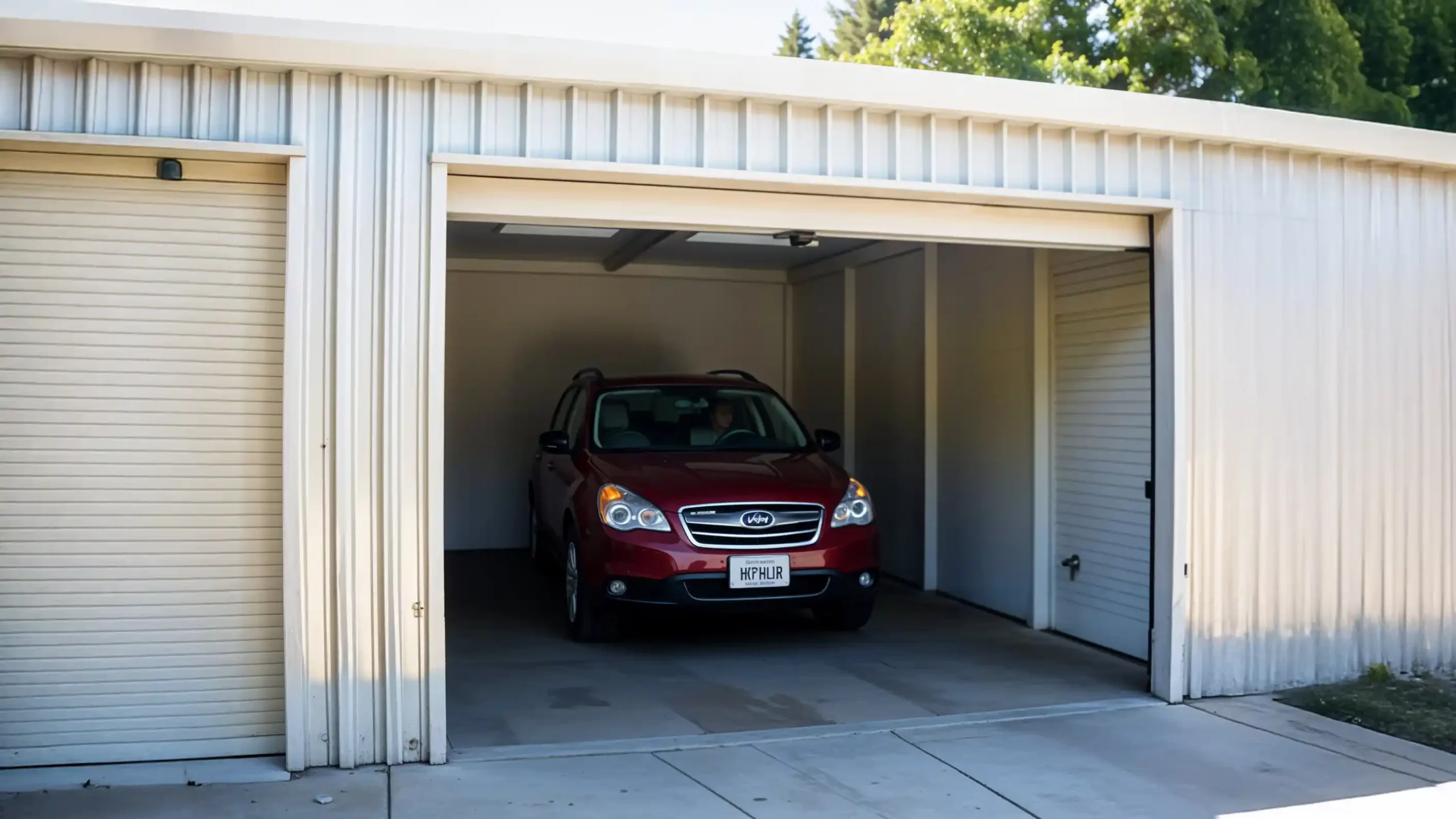
Parking Vehicles in Storage Units: Everything You Need to Know
When it comes to storing vehicles—whether cars, motorcycles, or even recreational vehicles—many people wonder if a self-storage unit could be the right solution. Maybe you’re short on driveway space, planning an extended trip, or simply need a secure place to keep your prized vehicle. The good news is, yes, you can park vehicles in storage units, provided you follow a few guidelines and understand the requirements. In this article, we’ll cover everything you need to know about parking vehicles in storage units, with a special look at Apple Mini Storage, one of the premier names in self-storage.
Why Use a Storage Unit for Your Vehicle?
Parking a vehicle in a storage unit comes with several benefits:
- Security – Unlike leaving your car on the street or in an open lot, a storage unit provides locked, monitored protection. Many facilities are gated and equipped with cameras.
- Protection from Weather – A unit shields your car or motorcycle from rain, snow, sun, and wind, helping preserve the paint and preventing weather-related wear.
- Freeing Up Space at Home – For those living in apartments or houses with limited parking, a storage unit can be a game-changer.
- Temporary Solutions – Storage units are perfect if you’re traveling, relocating, or waiting to sell a vehicle.
What Types of Vehicles Can You Store?
While each storage company has its own policies, most facilities allow:
- Cars – Sedans, SUVs, trucks, and vans are commonly stored.
- Motorcycles & Scooters – Compact in size, these often fit easily into smaller units.
- Recreational Vehicles (RVs) – Some facilities have oversized units or outdoor spaces designed specifically for RVs.
- Classic or Collector Cars – If you’re a collector, a climate-controlled unit may help protect your investment.
Before moving forward, it’s essential to confirm that the storage unit you’re considering is suitable in size and properly ventilated for the vehicle you plan to store.
Requirements for Parking in a Storage Unit
Most reputable self-storage companies require vehicles to meet certain conditions before being parked inside a unit. While exact rules vary, here are some common requirements:
- Proof of Ownership and Registration – You’ll need to show that the vehicle belongs to you.
- Insurance – Most facilities require proof of insurance to ensure the vehicle is covered.
- Vehicle Condition – The vehicle should be operable. Non-operational vehicles may need special arrangements.
- Fluid Levels – Facilities often request that fuel tanks are kept to a minimum (usually less than ¼ tank) to reduce fire hazards.
- No Hazardous Materials – Storing spare fuel, propane, or flammable items is prohibited.
Choosing the Right Storage Unit Size
Selecting the correct unit size is crucial:
- Motorcycles typically fit in a 5x10 or 10x10 unit.
- Cars usually need at least a 10x20 unit, though larger SUVs or trucks may require 10x25 or 10x30.
- Multiple Vehicles may need custom solutions or multiple units.
When in doubt, ask the storage company to guide you. Many provide size guides to ensure your vehicle fits comfortably.
Indoor vs. Outdoor Storage
You may also face the choice between indoor and outdoor storage.
- Indoor Units provide maximum protection and security, making them ideal for classic cars, motorcycles, or vehicles not used regularly.
- Outdoor Parking Spaces are often cheaper and suitable for RVs or vehicles you use often.
- Covered Outdoor Storage strikes a balance by protecting your vehicle from rain and sun while keeping costs lower than full indoor storage.
Why Choose Apple Mini Storage?
If you’re looking for a reliable facility to park your vehicle, Apple Mini Storage stands out as a premier choice. Known for their secure, modern, and customer-focused facilities, Apple Mini Storage offers:
- State-of-the-Art Security – With gated access, surveillance systems, and well-lit premises, you can feel confident your vehicle is safe.
- Flexible Options – From compact motorcycle-friendly units to larger spaces for SUVs or trucks, Apple Mini Storage has a variety of unit sizes to fit your needs.
- Convenient Locations – With multiple accessible locations, it’s easy to find a facility near your home or workplace.
- Climate-Controlled Units – For collectors or those storing long-term, climate control ensures your vehicle remains in pristine condition.
- Excellent Customer Service – Apple Mini Storage is recognized for its helpful staff who guide you through unit selection, requirements, and setup.
By choosing Apple Mini Storage, you’re not just renting space—you’re gaining peace of mind that your vehicle is cared for in a secure environment.
Tips for Preparing Your Vehicle for Storage
Before parking your car or motorcycle in a storage unit, take a few steps to protect it:
- Clean Thoroughly – Wash and wax the vehicle to prevent dirt or grime from damaging the paint.
- Change the Oil – Old oil can cause corrosion. Fresh oil helps protect the engine.
- Inflate Tires – Properly inflated tires prevent flat spots from forming during long storage.
- Disconnect the Battery – This prevents the battery from draining while the vehicle sits idle.
- Use a Cover – Even indoors, a breathable cover can protect against dust and scratches.
Final Thoughts
Parking a vehicle in a storage unit is a smart solution for anyone needing extra space, better security, or long-term protection for their car or motorcycle. By understanding the requirements, choosing the right size, and preparing your vehicle properly, you can make the most of this option.
And when it comes to selecting a trusted facility, Apple Mini Storage delivers premier self-storage solutions tailored to your needs. Whether you’re storing a family car, a prized motorcycle, or even a collection vehicle, Apple Mini Storage ensures your investment is kept safe, secure, and ready for the road whenever you are.
FAQ
1. Can I park a car in a storage unit?
Yes. Many storage facilities, including Apple Mini Storage, allow cars in units as long as they meet basic requirements such as being registered, insured, and in working condition.
2. Can I store a motorcycle in a storage unit?
Absolutely. Motorcycles are smaller and often easier to store. A 5x10 or 10x10 unit is typically enough space for a motorcycle or scooter.
3. What documents do I need to provide before storing my vehicle?
Most facilities will ask for proof of ownership, current registration, and valid insurance. This ensures the vehicle belongs to you and is legally protected.
4. Do storage units have size requirements for vehicles?
Yes. Cars generally require at least a 10x20 unit, while larger SUVs, trucks, or vans may need a 10x25 or 10x30. Motorcycles can fit in smaller units like 5x10.
5. Can I store a non-running vehicle in a storage unit?
This depends on the facility. Some storage companies require vehicles to be operable, while others may allow non-operational vehicles with special permission. Always check with the facility.
6. Do I need insurance to park my vehicle in storage?
Yes. Facilities typically require proof of insurance, and it’s in your best interest to keep your policy active while the vehicle is stored.
7. Is it safe to park my vehicle in a storage unit?
Yes, especially if you choose a trusted provider like Apple Mini Storage, which offers gated access, surveillance cameras, and well-lit facilities to ensure security.
8. How should I prepare my vehicle for storage?
Before storing, wash the exterior, change the oil, inflate the tires, disconnect the battery, and keep the fuel tank low (under ¼). Using a breathable car cover is also recommended.
9. Can I access my vehicle whenever I want?
Most storage facilities offer flexible access hours, with some providing 24/7 access. Be sure to confirm the access policies of your chosen facility.
10. Why choose Apple Mini Storage for vehicle storage?
Apple Mini Storage is a premier self-storage company offering flexible unit sizes, state-of-the-art security, climate-controlled options, and excellent customer service—making it an ideal choice for protecting your vehicle.
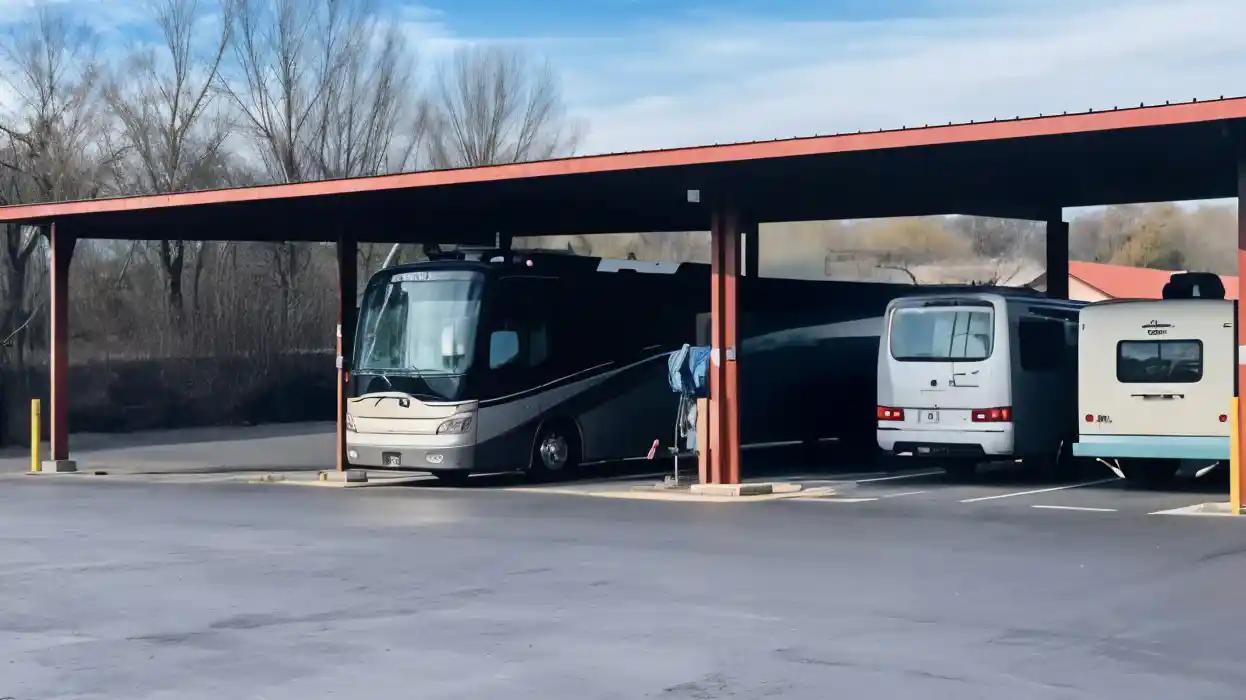
Why Outdoor Parking Storage Is the Smart Choice for Seasonal Vehicles
If you live in Wisconsin, chances are you own a vehicle that doesn’t see year-round use. Whether it’s an RV for summer adventures, a boat for weekends on the lake, or a convertible reserved for sunny days, seasonal vehicles often need secure storage when not in use. Parking these vehicles at home can create challenges—taking up driveway space, cluttering garages, and in some neighborhoods, even violating local parking ordinances.
That’s where outdoor parking storage at Apple Mini Storage becomes the smart, affordable, and stress-free solution. Designed for easy access and reliable security, outdoor storage gives your vehicles a safe home when they’re off the road, while freeing up valuable space at home.
What Is Outdoor Parking Storage?
Outdoor parking storage refers to fenced, gated, and secure parking spots designed for vehicles of all sizes. Unlike cramped garages or unprotected street parking, outdoor storage at a professional facility provides peace of mind with:
- Fenced and well-lit perimeters
- 24/7 gated access with security codes
- Wide driveways for easy maneuvering of large vehicles
- Affordable monthly rates without hidden fees
Apple Mini Storage offers a variety of outdoor parking options, from compact car spaces to oversized spots for RVs, trailers, and boats.
Why Outdoor Parking Storage Is a Smart Choice
1. Free Up Space at Home
Driveways and garages are valuable real estate. Keeping a seasonal vehicle parked at home often means sacrificing space for your everyday car or cluttering your garage with something you won’t use for months. Outdoor storage frees up that space, restoring functionality and convenience to your property.
2. Cost-Effective Storage Solution
Compared to indoor or climate-controlled units, outdoor parking storage is a budget-friendly way to keep your vehicle secure. With no move-in or admin fees and simple month-to-month leases, Apple Mini Storage ensures you only pay for the time you need.
3. Security That Outperforms Street Parking
Leaving a boat or RV parked on the street exposes it to theft, vandalism, and accidental damage. Apple Mini Storage facilities are equipped with perimeter fencing, security lighting, and gated access systems that keep your vehicle safe around the clock.
4. Easy Accessibility All Year
Our facilities are designed for convenience. With 24/7 access, 365 days a year, you can pick up your vehicle whenever you’re ready for your next trip—whether that’s a last-minute camping getaway or an early-morning fishing outing.
5. Designed for Large Vehicles
Maneuvering large vehicles like RVs and trailers can be challenging in residential neighborhoods. Our wide driveways and spacious layouts make it simple to park and retrieve even oversized vehicles without stress.
6. Seasonal Flexibility
Wisconsin’s weather makes seasonal vehicle ownership common. With Apple Mini Storage’s month-to-month leases, you can store your vehicle only during the months you need. No long-term contracts mean complete flexibility.
Types of Vehicles That Benefit from Outdoor Parking Storage
RVs and Campers
Perfect for families who travel during summer but don’t want a 30-foot RV taking up their driveway all winter.
Boats and Trailers
Ideal for boat owners in Door County or near the Fox Cities who need secure winter storage until the water thaws.
Classic Cars or Convertibles
Keep your prized summer car safe from snow, salt, and ice during harsh Wisconsin winters.
Utility Trailers and Work Vehicles
Contractors and landscapers often store trailers or extra vehicles when not in use, freeing up space at home or on job sites.
How Outdoor Storage Simplifies Seasonal Transitions
For Summer Vehicles
Store your snow blower, winter tires, and seasonal tools in your garage while moving your boat or RV into secure outdoor storage.
For Winter Vehicles
Snowmobiles and plow trucks can be stored off-season, clearing your driveway when you don’t need them.
For Business Owners
Businesses with seasonal fleets, like landscaping or construction companies, can use outdoor parking to manage equipment during slow months.
Real-Life Examples
- Appleton Family with a Camper: They stored their camper at Apple Mini Storage all winter, keeping their driveway clear for cars and snow removal.
- Boat Owner in Sturgeon Bay: A fisherman kept his boat in outdoor storage for the off-season, accessing it in spring the moment the weather warmed.
- Contractor in Kaukauna: Used outdoor storage for utility trailers in winter months when landscaping work slowed down.
Tips for Preparing a Vehicle for Outdoor Storage
- Clean the vehicle thoroughly to prevent rust or mold.
- Apply a quality cover designed for your vehicle type.
- Inflate tires to the recommended pressure.
- Disconnect the battery to preserve its life.
- Use fuel stabilizer for long-term storage.
- Lock all doors and secure the cover.
Why Apple Mini Storage Stands Out
Outdoor parking is available at multiple Apple Mini Storage locations, including Appleton, Kaukauna, Little Chute, and Sturgeon Bay. Customers choose us because we offer:
- Transparent pricing with no hidden fees
- Flexible lease terms
- Secure, gated facilities with wide driveways
- Convenient locations near major highways
- Local customer service from a family-owned business
Call-to-Action
RESERVE YOUR OUTDOOR PARKING SPACE TODAY →
Keep your seasonal vehicles safe, accessible, and ready for adventure with Apple Mini Storage.
FAQs
1. What is outdoor parking storage?
Outdoor parking storage is a secure, fenced area designed to safely store vehicles like RVs, boats, trailers, and cars when not in use.
2. Is outdoor parking storage safe?
Yes. Apple Mini Storage facilities feature gated access, perimeter fencing, and bright lighting for maximum security.
3. How much does outdoor vehicle storage cost?
Costs vary depending on vehicle size and location, but outdoor storage is typically the most affordable option compared to indoor units.
4. Can I access my vehicle anytime?
Yes. With 24/7 access, you can retrieve your vehicle at any hour, any day of the year.
5. What vehicles can I store outdoors?
You can store RVs, campers, boats, trailers, classic cars, convertibles, motorcycles, and utility vehicles.
6. How do I prepare my vehicle for outdoor storage?
Wash it, cover it with a weather-resistant cover, disconnect the battery, and use fuel stabilizer for longer-term storage.
7. Do I need insurance for outdoor vehicle storage?
Insurance is recommended since homeowner or auto policies don’t always cover vehicles stored off-site.
8. Are outdoor parking spots available at every Apple Mini Storage location?
Most of our locations offer outdoor parking, but availability varies. Contact your nearest facility for details.
9. Can I rent outdoor storage short-term?
Yes. Month-to-month leases allow complete flexibility to store your vehicle only when needed.
10. Why choose Apple Mini Storage for outdoor parking?
Because we combine affordability, 24/7 access, and superior security with the personalized service of a locally-owned Wisconsin business.